

Last night brought a new issue to give those of us in crypto goosebumps again, when Microsoft issued a warning that it had found a new piece of malware, Cryware, which has evolved out of cryptojackers. This new one targets hot wallets by reaching the seed phrase in order to get into the wallet and transfer money directly to the attacker.
At present no further protective measures have been reported for hot wallet users, beyond using Microsoft Defender Antivirus and Microsoft Defender SmartScreen, which help block malware sites.
For my part, I think that when using a computer it would be very good to have antivirus installed. But if I were to recommend something better, it would be using a cold wallet as well.
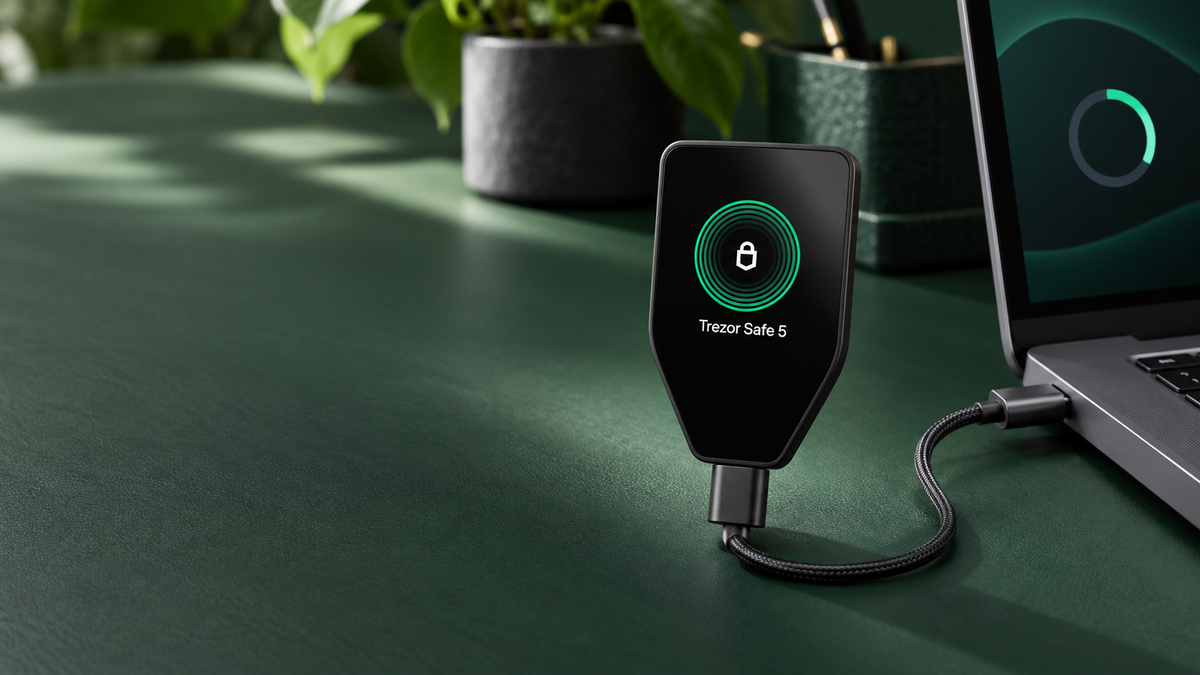
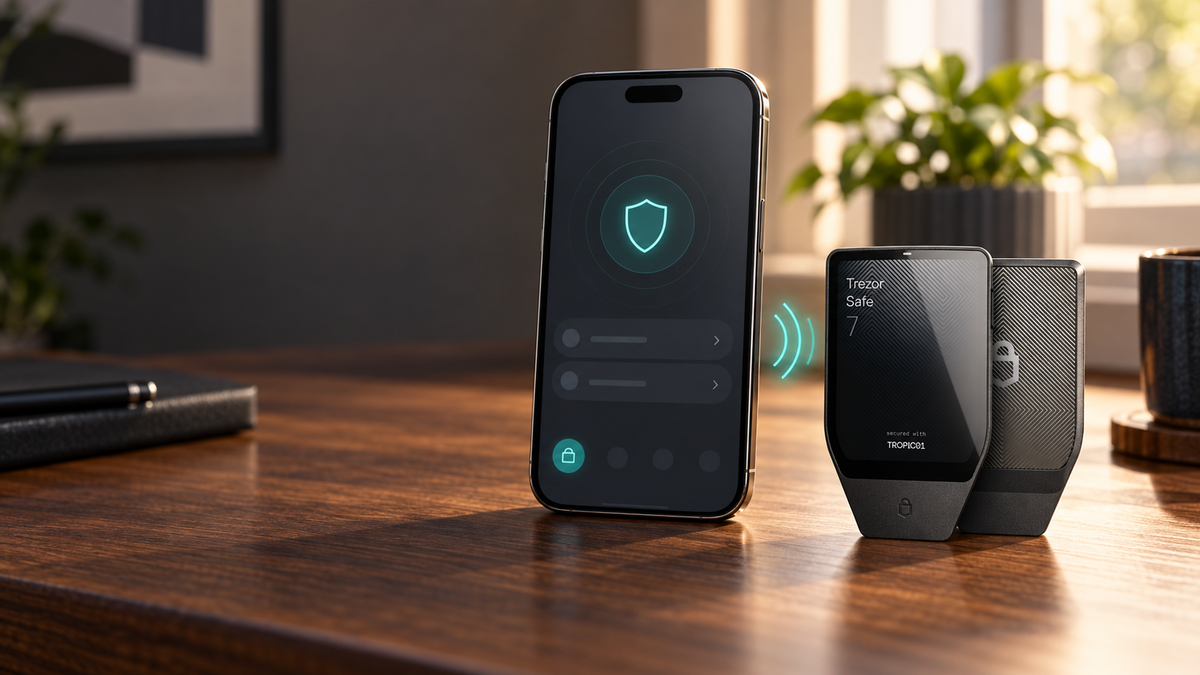
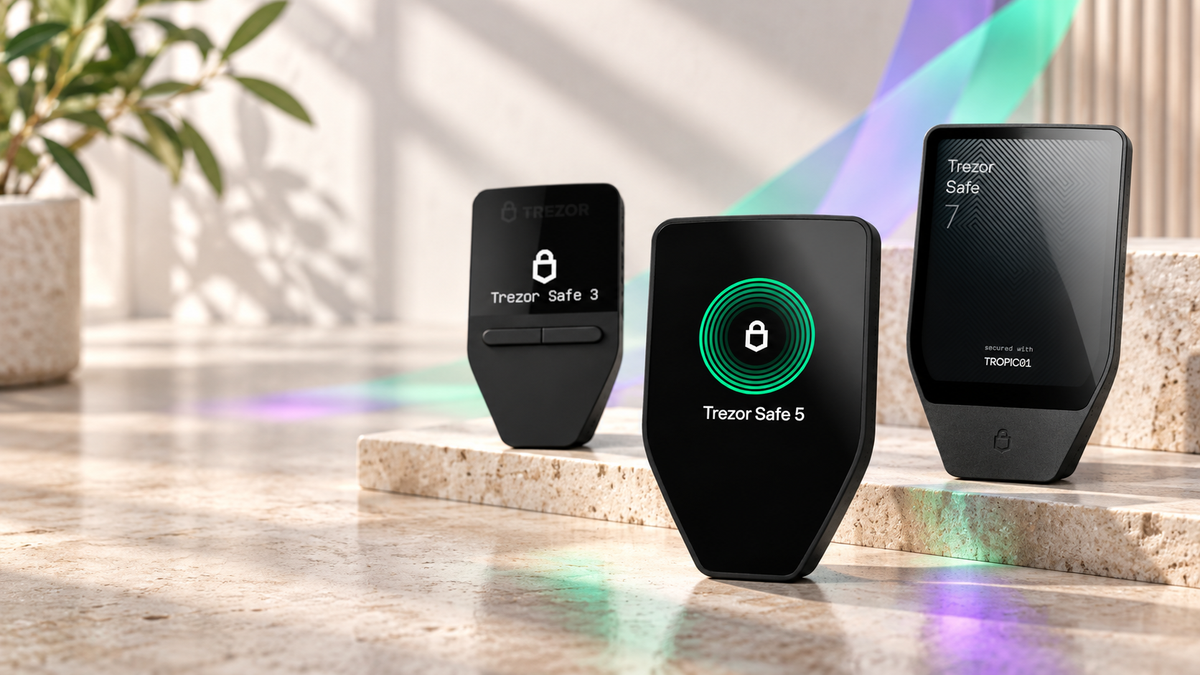
That is, a hardware wallet — because with a hardware wallet a virus cannot hack it, provided we write the seed down on paper and do not record it as a photograph, or in an online note somewhere, or type it into a link anywhere. The worst I have ever come across is malware changing our wallet address at the point of transferring out.
And on that, if we use it carefully — checking twice every time we transact, not visiting odd sites and not clicking odd links — then it can fairly be called as safe as it gets.
Share:
Quiz answers: win a Ledger Nano S Plus at Thailand Crypto Expo 2022
What Is a Passphrase? The 25th Word on a Hardware Wallet