

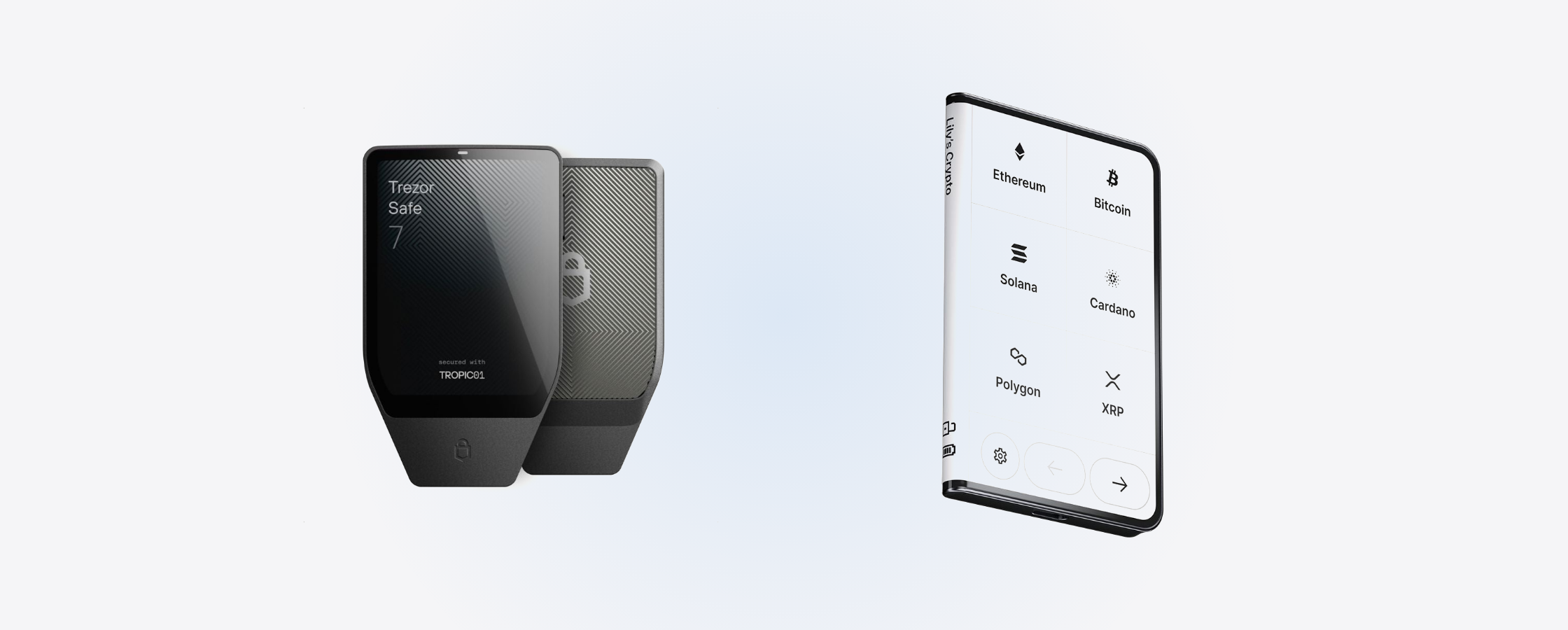
สรุปสั้น
- Trezor Safe 7 มีชิปความปลอดภัยสองตัว Ledger Stax มีตัวเดียวที่ผ่าน CC EAL6+ จำนวนชิปไม่ได้แปลว่าปลอดภัยกว่าเป็นเท่าตัว ทั้งคู่อยู่ในระดับสูงมากอยู่แล้ว
- จอคนละแนวคิดกันเลย Safe 7 เป็นจอสัมผัสสี 2.5 นิ้ว ส่วน Stax เป็น E Ink โค้ง 3.7 นิ้ว
- Open Source คือจุดที่ต่างกันจริง Trezor เปิดทั้งเฟิร์มแวร์และแบบวงจร Ledger เปิดเฉพาะแอปกับ SDK
- ใช้กับ iPhone ได้ทั้งคู่ผ่าน Bluetooth Stax มี NFC เพิ่มมาด้วย
- Stax แถม Ledger Recovery Key มาในกล่อง อุปกรณ์ตัวนี้ใช้ได้เฉพาะกับ Ledger Flex และ Stax เท่านั้น
ช่วงนี้มีคนทักมาถามแอดเยอะมากครับ ว่าระหว่าง Trezor Safe 7 กับ Ledger Stax ควรเลือกตัวไหนดี สองรุ่นนี้เป็นตัวท็อปของทั้งสองค่าย มีจอสัมผัส ต่อ Bluetooth ได้ และชาร์จไร้สายได้เหมือนกัน แต่ราคาห่างกันพอสมควร
บทความนี้แอดเทียบให้ดูทีละเรื่องเลยครับ ไม่อวยฝั่งไหน และสเปกทุกตัวดึงมาจากตารางเปรียบเทียบของร้าน ไม่ได้เขียนจากความจำ
📊 เทียบสเปกกันก่อน

| Trezor Safe 7 | Ledger Stax | |
|---|---|---|
| ราคา | ฿11,900 | ฿16,800 |
| จอ | สัมผัสสี 2.5 นิ้ว 520 x 380 | E Ink โค้ง 3.7 นิ้ว 400 x 670 |
| ชิปความปลอดภัย | สองตัว TROPIC01 + OPTIGA Trust M | หนึ่งตัว CC EAL6+ |
| Open Source | เฟิร์มแวร์และแบบวงจร | เฉพาะแอปและ SDK |
| การเชื่อมต่อ | USB-C, Bluetooth | USB-C, Bluetooth, NFC |
| ใช้กับ iPhone | ได้ | ได้ |
| ชาร์จไร้สาย | ได้ | ได้ |
| ในกล่อง | ตัวเครื่องและสายชาร์จ | มี Ledger Recovery Key |
🖥️ จอ คนละแนวคิดกันเลย
Ledger Stax ให้จอ E Ink โค้ง 3.7 นิ้ว ความละเอียด 400 x 670 ใหญ่กว่าชัดเจน อ่านที่อยู่ปลายทางยาวๆ ได้สบายตากว่ามาก เพราะ E Ink ไม่ยิงแสงเข้าตา และภาพยังค้างอยู่บนจอแม้ปิดเครื่อง
Trezor Safe 7 ให้จอ สัมผัสสี 2.5 นิ้ว ความละเอียด 520 x 380 เล็กกว่าแต่เป็นจอสี ตอบสนองไวกว่า E Ink ซึ่งเปลี่ยนภาพช้ากว่าโดยธรรมชาติ ใครชอบจอที่ลื่นๆ จะถูกใจตัวนี้มากกว่าครับ
🔐 ชิปความปลอดภัย
Trezor Safe 7 ใส่ ชิปความปลอดภัยมาสองตัว คือ TROPIC01 กับ OPTIGA Trust M ส่วน Ledger Stax ใช้ชิปตัวเดียวที่ผ่านการรับรอง CC EAL6+
ตรงนี้แอดขอพูดตรงๆ ครับ จำนวนชิปไม่ได้แปลว่าปลอดภัยกว่าเป็นเท่าตัว ทั้งสองรุ่นอยู่ในระดับที่สูงมากอยู่แล้ว และช่องโหว่ที่ทำให้คนเสียเหรียญจริงๆ ในไทยเกือบทั้งหมดคือการถูกหลอกให้บอกวลีกู้คืน ไม่ใช่การเจาะชิป
🔓 Open Source จุดที่ต่างกันจริง
Trezor เปิด ทั้งเฟิร์มแวร์และแบบวงจร ให้คนนอกตรวจสอบได้ ส่วน Ledger เปิดเฉพาะแอปกับ SDK เฟิร์มแวร์ในเครื่องและชิปความปลอดภัยไม่ได้เปิด
ถ้าเพื่อนๆ ให้ค่ากับการที่โค้ดถูกตรวจสอบได้จากคนนอก ข้อนี้ข้อเดียวก็ตัดสินได้เลยครับ แต่ถ้ามองว่าใช้ของแบรนด์ใหญ่ที่มีคนใช้เยอะก็พอแล้ว ข้อนี้อาจไม่ใช่ประเด็นสำหรับคุณ
📱 ใช้กับมือถือได้ทั้งคู่
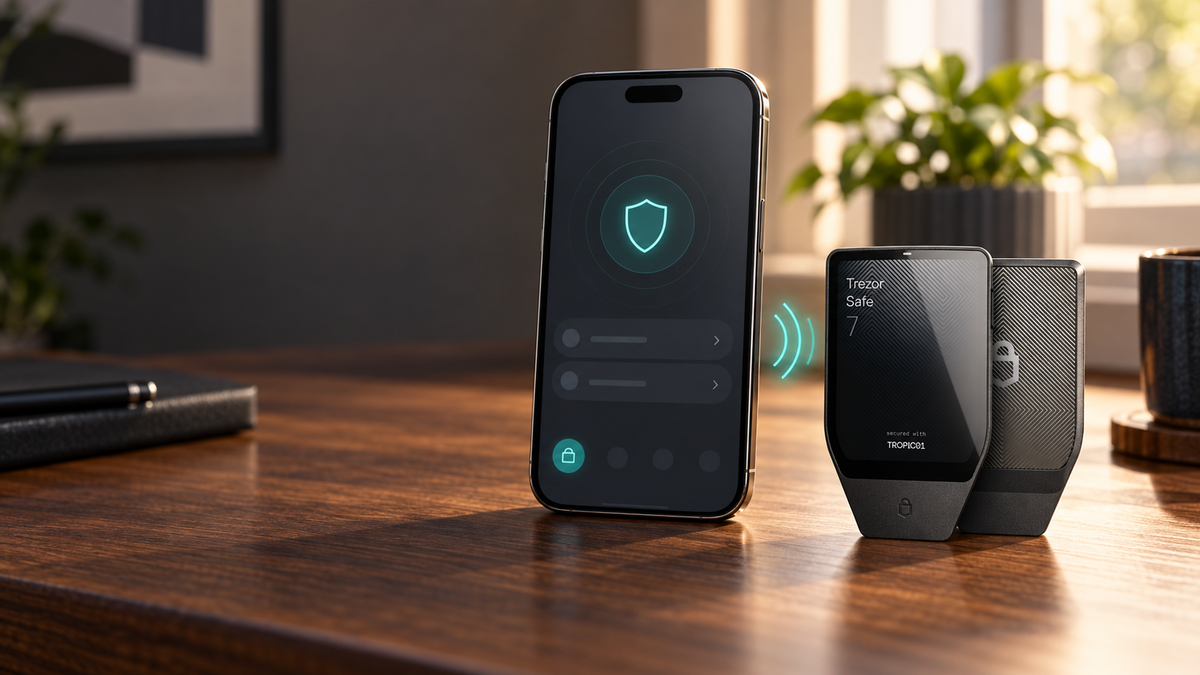
ทั้งสองรุ่นต่อ Bluetooth ได้ จึงใช้กับ iPhone และ Android ได้ทั้งคู่ และต่อ USB-C กับคอมพิวเตอร์ได้ด้วย ต่างกันตรงที่ Stax มี NFC เพิ่มมาอีกทาง ส่วน Safe 7 เป็น Trezor รุ่นแรกที่ใช้กับ iPhone ได้ ซึ่ง Trezor รุ่นอื่นทำไม่ได้
🔑 Ledger Recovery Key ที่แถมมากับ Stax
ในกล่อง Ledger Stax มี Ledger Recovery Key มาให้ด้วย เป็นการ์ดสำหรับสำรอง วลีกู้คืนแบบไม่ต้องจดใส่กระดาษ ใช้ได้เฉพาะกับ Flex และ Stax เท่านั้น รุ่น Nano ใช้ไม่ได้ ตรงนี้คือของที่ Safe 7 ไม่มีให้
ย้ำอีกครั้งนะครับ ไม่ว่าจะสำรองด้วยการ์ดหรือด้วยกระดาษ ไม่มีใครมีสิทธิ์ขอดูวลีกู้คืนของเพื่อนๆ ทั้ง SIAMBC ทั้ง Trezor และ Ledger ไม่มีวันขอ ใครขอคือมิจฉาชีพ 100%
💡 สรุป ซื้อตัวไหนดี
เลือก Trezor Safe 7 ถ้าอยากได้ของที่เปิดซอร์สโค้ดครบทั้งเฟิร์มแวร์และฮาร์ดแวร์ อยากได้จอสีที่ตอบสนองไว และอยากประหยัดกว่า
เลือก Ledger Stax ถ้าอยากได้จอใหญ่ที่สุด อ่านสบายตาที่สุด อยากได้ NFC เพิ่มอีกทาง และอยากได้ Recovery Key ติดกล่องมาเลย

Trezor
฿11,900
- ชิปความปลอดภัยสองตัว
- จอสัมผัสสี 2.5 นิ้ว
- เปิดซอร์สโค้ดทั้งเฟิร์มแวร์และฮาร์ดแวร์
หยิบใส่ตะกร้า: Charcoal Black — สีอื่นเลือกได้ที่หน้าสินค้า

❓ คำถามที่เจอบ่อย
สองรุ่นนี้เก็บเหรียญได้เหมือนกันไหม รองรับหลายเชนทั้งคู่ครับ ถ้ามีเหรียญเฉพาะทางที่กังวล ทักมาถามก่อนได้เลย
ชาร์จไร้สายได้ทั้งคู่ไหม ได้ทั้งคู่ครับ เป็นสองในไม่กี่รุ่นที่ทำได้
ซื้อที่ SIAMBC ต่างจากที่อื่นยังไง เราเป็นตัวแทนจำหน่ายอย่างเป็นทางการในไทย ตั้งแต่ปี 2559 ของใหม่ ซีลจากโรงงาน มีหน้าร้านจริงในกรุงเทพฯ เข้ามาดูของก่อนได้ครับ
แชร์:
Ledger Flex กับ Ledger Stax ต่างกันตรงไหน
Ledger Nano Gen5, Nano X และ Nano S Plus ต่างกันตรงไหน