

สรุปสั้นๆ
- คริปโตที่ฝากไว้บนเว็บเทรด ไม่ได้เป็นของผู้ใช้ในทางเทคนิค สิ่งที่ผู้ใช้ถืออยู่คือยอดคงเหลือในฐานข้อมูลของบริษัท ส่วนกุญแจ (Private Key) ที่ควบคุมเหรียญจริงอยู่ในมือของผู้ให้บริการ
- สิทธิยกเว้นภาษีเป็นเหตุผลที่ควรมีบัญชีเว็บเทรดไว้ กำไรจากการซื้อขายสินทรัพย์ดิจิทัลได้รับยกเว้นภาษีเงินได้บุคคลธรรมดา ตั้งแต่ 1 มกราคม 2568 ถึง 31 ธันวาคม 2572 โดยมีเงื่อนไขว่าต้องซื้อขายผ่านผู้ประกอบธุรกิจที่ได้รับใบอนุญาตจากสำนักงาน ก.ล.ต. เท่านั้น
- ทั้งสองแนวทางใช้ร่วมกันได้ ซื้อขายผ่านเว็บเทรดที่มีใบอนุญาต และถอนออกมาเก็บเองในช่วงที่ถือยาว การเก็บรักษาด้วยตนเองไม่กระทบสิทธิยกเว้นภาษี
- ใบอนุญาตคือการกำกับดูแล ไม่ใช่การรับประกัน Zipmex เคยมีใบอนุญาต และปลายเดือนกรกฎาคม 2569 สำนักงาน ก.ล.ต. ได้กล่าวโทษ Bitkub Online พร้อมอดีตกรรมการสองราย กรณีรายงานที่จัดส่งหลังเหตุโจมตีทางไซเบอร์เมื่อปี 2564
- บางกรณีเว็บเทรดยังดำเนินงานปกติ แต่ผู้ใช้เข้าถึงไม่ได้ เดือนมิถุนายน 2568 นักลงทุนไทยมีเวลาราวสี่สัปดาห์ ก่อนที่ Bybit, OKX, CoinEx, XT.COM และ 1000X จะถูกปิดกั้นการเข้าถึงทั่วประเทศ
- เกณฑ์ตัดสินใจที่ใช้ได้จริง หากสูญเสียยอดนี้แล้วกระทบทั้งปี ควรถอนออกมาเก็บเอง หากยังไม่ถึงระดับนั้น ความเสี่ยงจากการทำวลีกู้คืนสูญหายด้วยตนเอง อาจสูงกว่าความเสี่ยงจากการฝากไว้บนเว็บเทรดที่มีใบอนุญาต
- ฮาร์ดแวร์วอลเล็ตไม่ได้ขจัดความเสี่ยง แต่ย้ายความเสี่ยง จากการไว้วางใจบริษัท มาเป็นการรับผิดชอบดูแลวลีกู้คืน 24 คำด้วยตนเองในระยะยาว
คำตอบโดยสรุป
หากยอดคริปโตที่ถืออยู่มีมูลค่าไม่สูง ระดับที่สูญเสียไปแล้วไม่กระทบการเงินโดยรวม การเก็บไว้บนเว็บเทรดที่มีใบอนุญาตในประเทศไทยถือเป็นทางเลือกที่สมเหตุสมผล
SIAMBC เป็นผู้จำหน่ายฮาร์ดแวร์วอลเล็ต แต่ข้อสรุปข้างต้นเป็นการประเมินตามความเป็นจริง ผู้ที่ถือ Bitcoin มูลค่า 5,000 บาท และไม่เคยจัดการกุญแจส่วนตัว (Private Key) มาก่อน ไม่ได้ปลอดภัยขึ้นอย่างมีนัยสำคัญจากการถอนออกมาเก็บเอง เพียงแต่เปลี่ยนไปเผชิญความเสี่ยงอีกรูปแบบหนึ่ง ซึ่งความเสี่ยงหลักคือการทำวลีกู้คืน (Recovery Phrase) สูญหาย อันเป็นเหตุที่กู้คืนไม่ได้ และเกิดขึ้นบ่อยกว่ากรณีเว็บเทรดล้มละลายอย่างมาก
อย่างไรก็ตาม การประเมินจะเปลี่ยนไปเมื่อมูลค่าเพิ่มขึ้น เมื่อยอดคงเหลือกลายเป็นทรัพย์สินส่วนสำคัญ ผู้ถือกำลังฝากเงินที่สูญเสียไม่ได้ไว้กับบริษัทที่ตนเองตรวจสอบไม่ได้ จุดนั้นคือจังหวะที่ควรถอนออกมาเก็บเอง ซึ่งในทางปฏิบัติผู้ลงทุนส่วนใหญ่มักไปถึงช้ากว่าที่ควร
เนื้อหาส่วนที่เหลือคือแนวทางประเมินว่าจุดดังกล่าวของแต่ละคนอยู่ที่ระดับใด
การฝากคริปโตไว้บนเว็บเทรด หมายความว่าอย่างไร
คริปโตเคอร์เรนซีทุกสกุลถูกควบคุมด้วยกุญแจส่วนตัว (Private Key) ผู้ที่ถือกุญแจคือผู้ที่สั่งโอนเหรียญได้ นี่คือหลักการทั้งหมดของระบบ และไม่มีกระบวนการอุทธรณ์ใดๆ รองรับ
เมื่อซื้อ Bitcoin ผ่านเว็บเทรด กุญแจดังกล่าวอยู่ในความครอบครองของเว็บเทรด สิ่งที่ผู้ใช้ได้รับคือยอดคงเหลือในระบบซึ่งระบุว่าผู้ให้บริการมีภาระผูกพันต่อผู้ใช้เท่าใด บัญชีผู้ใช้ไม่ได้ควบคุมเหรียญโดยตรง แต่ควบคุมสิทธิในการร้องขอให้ผู้ให้บริการดำเนินการแทน ซึ่งใช้ได้ตราบเท่าที่ผู้ให้บริการยังเต็มใจและยังมีความสามารถในการดำเนินการ
โดยทั่วไปผู้ให้บริการก็ดำเนินการได้ตามปกติ ผู้ประกอบธุรกิจที่ได้รับใบอนุญาตในไทยอยู่ภายใต้การกำกับดูแลของสำนักงาน ก.ล.ต. ตามพระราชกำหนดการประกอบธุรกิจสินทรัพย์ดิจิทัล ต้องแยกทรัพย์สินของลูกค้าออกจากทรัพย์สินของบริษัท และต้องดำรงเงินกองทุนรองรับความเสี่ยงจากการเก็บรักษาทรัพย์สินให้ลูกค้า ถือเป็นการกำกับดูแลที่มีผลจริง และอยู่ในระดับที่ดีกว่าแพลตฟอร์มต่างประเทศที่ไม่มีหน่วยงานกำกับดูแลอย่างชัดเจน
แต่สิ่งที่เกิดขึ้นคือการกำกับดูแลบริษัท ไม่ใช่การตัดบริษัทออกจากสมการ ระหว่าง "สำนักงาน ก.ล.ต. กำกับดูแลเว็บเทรดแห่งนี้" กับ "เหรียญเหล่านี้เป็นของผู้ใช้" ยังมีช่องว่างอยู่ และห้าปีที่ผ่านมาในประเทศไทยได้แสดงให้เห็นแล้วว่าช่องว่างดังกล่าวมีอะไรอยู่บ้าง
กรณีศึกษาที่เกิดขึ้นจริงในประเทศไทย
เหตุการณ์ทั้งหมดต่อไปนี้เกิดขึ้นจริง และเกิดขึ้นในประเทศไทย
Bitkub ปี 2564 และการเปิดเผยในปี 2569
เดือนพฤษภาคม 2564 เกิดการโจมตีทางไซเบอร์ ทำให้สินทรัพย์ดิจิทัล 16 ประเภท มูลค่าประมาณ 1,700 ล้านบาท ถูกโอนออกจากวอลเล็ตหนึ่งของ Bitkub ต่อมาอีกห้าปี ในช่วงปลายเดือนกรกฎาคม 2569 สำนักงาน ก.ล.ต. ได้กล่าวโทษ Bitkub Online พร้อมอดีตกรรมการสองราย ต่อกองบังคับการปราบปรามการกระทำความผิดเกี่ยวกับอาชญากรรมทางเศรษฐกิจ โดยระบุว่ารายงานเงินกองทุนสภาพคล่องสุทธิรายวัน ระหว่างวันที่ 10 พฤษภาคม ถึง 30 ตุลาคม 2564 ไม่ได้สะท้อนความเสียหายที่เกิดขึ้น
ทาง Bitkub ชี้แจงว่าทรัพย์สินของลูกค้าไม่เคยตกอยู่ในความเสี่ยง เนื่องจากผู้ร่วมก่อตั้งได้ใช้เงินส่วนตัวซื้อสินทรัพย์มาทดแทน และยืนยันว่าทรัพย์สินของลูกค้าอยู่ครบถ้วน ขณะที่อดีตกรรมการรายหนึ่งได้แสดงความรับผิดชอบต่อสาธารณะเพียงผู้เดียว โดยระบุว่าเป็นผู้แก้ไขตัวเลขในรายงานเอง เพื่อป้องกันไม่ให้เกิดการแห่ถอนเงิน ทั้งนี้เรื่องดังกล่าวยังอยู่ในชั้นข้อกล่าวหา และอยู่ในการพิจารณาของพนักงานสอบสวนและพนักงานอัยการ
ประเด็นสำคัญของกรณีนี้ไม่ใช่การชี้ว่า Bitkub บกพร่อง เพราะลูกค้าไม่ได้สูญเสียเงินแม้แต่บาทเดียว ประเด็นคือความเสียหายมูลค่า 1,700 ล้านบาทเกิดขึ้นภายในเว็บเทรดรายใหญ่ที่สุดของประเทศ โดยที่ลูกค้าไม่มีใครทราบเลยเป็นเวลาห้าปี หากมีผู้สอบถามเมื่อปี 2565 ว่ายอดเงินปลอดภัยหรือไม่ คำตอบก็คือปลอดภัย และไม่มีช่องทางใดให้ตรวจสอบเป็นอย่างอื่นได้ ผู้ใช้ไม่สามารถมองเห็นสถานะภายในของเว็บเทรดได้ และในช่วงเวลานั้นแม้แต่หน่วยงานกำกับดูแลก็มองไม่เห็นเช่นกัน
Zipmex ปี 2565 ถึง 2567
Zipmex เป็นเว็บเทรดที่ได้รับใบอนุญาตในไทยและมีฐานลูกค้าคนไทยจำนวนมาก เดือนกรกฎาคม 2565 บริษัทระงับการถอนเงิน หลังมีความเสี่ยงจากผู้ให้กู้คริปโตในต่างประเทศสองรายที่ประสบปัญหาก่อนหน้านั้น ลูกค้าคนไทยที่นำเงินไปลงในผลิตภัณฑ์ฝากรับผลตอบแทนต้องใช้เวลาหลายปีในการติดตามทรัพย์สินคืน ต่อมาสำนักงาน ก.ล.ต. ตรวจพบว่ามีการโอนทรัพย์สินของลูกค้าออกจากวอลเล็ตในประเทศไทยไปยังบัญชีต่างประเทศโดยไม่ได้แจ้งหน่วยงานกำกับดูแล จึงได้กล่าวโทษอดีตประธานเจ้าหน้าที่บริหาร และในปี 2567 กระทรวงการคลังได้เพิกถอนใบอนุญาต
ใบอนุญาตไม่ได้ป้องกันเหตุการณ์นี้ การกำกับดูแลให้กระบวนการเยียวยาภายหลังเกิดเหตุ แต่ไม่ได้ทำหน้าที่ป้องกันไม่ให้เหตุเกิดขึ้น
มิถุนายน 2568 เว็บเทรดห้าแห่งถูกปิดกั้น
วันที่ 30 พฤษภาคม 2568 สำนักงาน ก.ล.ต. ประกาศว่า Bybit, OKX, CoinEx, XT.COM และ 1000X จะถูกปิดกั้นการเข้าถึงทั่วประเทศตั้งแต่วันที่ 28 มิถุนายน เนื่องจากให้บริการโดยไม่ได้รับใบอนุญาตในประเทศไทย พร้อมแจ้งเตือนให้ผู้ลงทุนดำเนินการกับทรัพย์สินก่อนถึงกำหนด รวมระยะเวลาประมาณสี่สัปดาห์
ผู้ที่อยู่ระหว่างเดินทาง อยู่ระหว่างเจ็บป่วย ไม่ได้ติดตามข่าวสาร หรือไม่ได้สังเกตประกาศในช่วงเวลาดังกล่าว ย่อมไม่สามารถเข้าถึงบัญชีของตนเองจากประเทศไทยได้ ทั้งที่เว็บเทรดเหล่านั้นไม่ได้ล้มละลาย และเหรียญยังอยู่ครบ แต่ช่องทางการเข้าถึงจากในประเทศถูกปิดตามกำหนดเวลาที่กำหนดโดยบุคคลอื่น นี่คือความเสี่ยงที่ผู้ลงทุนส่วนใหญ่ไม่ได้นำมาพิจารณา และเป็นความเสี่ยงที่การเก็บรักษาด้วยตนเองตัดออกไปได้ทั้งหมด เนื่องจากฮาร์ดแวร์วอลเล็ตทำงานได้โดยไม่ต้องอาศัยการอนุญาตจากผู้ใด
มาตรการยังคงเข้มงวดขึ้นต่อเนื่อง พระราชกำหนดสองฉบับที่มีผลบังคับใช้เมื่อเดือนเมษายน 2568 ได้ขยายเกณฑ์การขอใบอนุญาตให้ครอบคลุมผู้ให้บริการต่างประเทศที่ชักชวนผู้ใช้ชาวไทย รวมถึงแพลตฟอร์มแบบ peer-to-peer โดยระยะเวลาผ่อนผันสิ้นสุดลงเมื่อวันที่ 28 มิถุนายน 2569
ปัญหาการอายัดบัญชี
นับตั้งแต่ปี 2566 บัญชีธนาคารในประเทศไทยถูกอายัดไปแล้วมากกว่าหนึ่งล้านบัญชี จากมาตรการปราบปรามบัญชีม้า ภายใต้พระราชกำหนดมาตรการป้องกันและปราบปรามอาชญากรรมทางเทคโนโลยี โดยมีผู้ที่ไม่ได้มีส่วนเกี่ยวข้องถูกอายัดไปด้วย บางรายเป็นระยะเวลาหลายสัปดาห์ ซึ่งธนาคารแห่งประเทศไทยได้รับทราบและยอมรับปัญหาดังกล่าวต่อสาธารณะแล้ว
ประเด็นนี้เกี่ยวข้องโดยตรง เนื่องจากบัญชีเว็บเทรดของผู้ใช้เชื่อมโยงอยู่กับบัญชีธนาคารในประเทศไทย หากบัญชีธนาคารถูกอายัด การนำเงินเข้าและออกจากเว็บเทรดย่อมหยุดชะงักตามไปด้วย โดยไม่เกี่ยวข้องกับคุณภาพการบริหารจัดการของเว็บเทรดแต่อย่างใด ทั้งนี้เหรียญที่ผู้ใช้ถือกุญแจเองไม่ได้รับผลกระทบจากมาตรการดังกล่าว แต่ก็ไม่ใช่ช่องทางในการหลีกเลี่ยงกฎหมาย ประเด็นที่กล่าวถึงคือความทนทานของระบบเท่านั้น
สถานการณ์ในระดับสากล
เดือนกุมภาพันธ์ 2568 มี ETH ประมาณ 401,000 เหรียญ คิดเป็นมูลค่าราว 1.5 พันล้านดอลลาร์สหรัฐ ถูกโจรกรรมจาก Bybit ซึ่งถือเป็นการโจรกรรมคริปโตครั้งใหญ่ที่สุดเท่าที่มีการบันทึกไว้ โดย FBI ระบุว่าเป็นการกระทำของกลุ่ม Lazarus จากเกาหลีเหนือ วิธีการคือการเจาะกระบวนการลงนามธุรกรรม ระหว่างการโอนตามปกติออกจาก cold wallet
Bybit รับผิดชอบความเสียหายเองและยังคงให้บริการต่อไป แต่สิ่งที่ควรพิจารณาคือเหตุการณ์นี้เกิดกับเว็บเทรดขนาดใหญ่ที่สุดแห่งหนึ่งของโลก ซึ่งมีทีมความปลอดภัยระดับมืออาชีพและมีระบบ cold storage ครบถ้วน เหตุผลคือทรัพย์สินที่เว็บเทรดเก็บรักษาไว้เป็นเป้าหมายขนาดใหญ่ที่ผู้โจมตีให้ความสนใจอย่างต่อเนื่อง ในขณะที่ทรัพย์สินของผู้ใช้รายบุคคลไม่ได้อยู่ในสถานะเดียวกัน
เหตุผลที่ยังควรมีบัญชีเว็บเทรดที่มีใบอนุญาต
ประเด็นนี้เป็นสิ่งที่บทความเรื่องการเก็บรักษาคริปโตด้วยตนเองซึ่งเขียนจากต่างประเทศมักไม่ได้กล่าวถึง และเป็นเหตุผลที่หนักแน่นที่สุดในการไม่ปิดบัญชีเว็บเทรด
ตามกฎกระทรวงฉบับที่ 399 ซึ่งประกาศเมื่อเดือนกันยายน 2568 กำไรจากการซื้อขายสินทรัพย์ดิจิทัลได้รับยกเว้นภาษีเงินได้บุคคลธรรมดา ตั้งแต่วันที่ 1 มกราคม 2568 ถึง 31 ธันวาคม 2572 สิทธิดังกล่าวใช้กับบุคคลธรรมดา ไม่รวมนิติบุคคล และมีเงื่อนไขสำคัญคือต้องเป็นการซื้อขายผ่านผู้ประกอบธุรกิจสินทรัพย์ดิจิทัลที่ได้รับใบอนุญาตจากสำนักงาน ก.ล.ต. หากซื้อขายผ่านแพลตฟอร์มที่ไม่มีใบอนุญาตหรืออยู่ในต่างประเทศ จะไม่ได้รับสิทธิยกเว้นภาษีนี้
เว็บเทรดที่มีใบอนุญาตจึงไม่ได้มีประโยชน์เพียงด้านความสะดวก แต่เป็นช่องทางที่สิทธิประโยชน์ทางภาษีผูกอยู่ ตลอดระยะเวลาห้าปี คำแนะนำที่ให้ย้ายทรัพย์สินออกทั้งหมดแล้วไปซื้อขายกันเองแบบ peer-to-peer จึงเป็นคำแนะนำที่มีต้นทุนแฝงอยู่ด้วย
แนวทางที่เหมาะสมไม่ซับซ้อน และเป็นสิ่งที่ผู้ถือครองคริปโตระยะยาวในประเทศไทยส่วนใหญ่ปฏิบัติอยู่แล้ว
ใช้เว็บเทรดเป็นช่องทางเข้าออก ไม่ใช่ที่เก็บรักษาระยะยาว ซื้อและขายผ่านเว็บเทรดที่มีใบอนุญาต ส่วนช่วงที่ถือครองให้ถอนออกมาเก็บเอง การโอนระหว่างวอลเล็ตที่ผู้ใช้เป็นเจ้าของเองไม่ถือเป็นการขาย การเก็บรักษาด้วยตนเองจึงไม่กระทบต่อการพิจารณาภาษีของการขายในภายหลัง อย่างไรก็ตามควรจัดเก็บบันทึกการซื้อของตนเองไว้ด้วยว่าซื้อสินทรัพย์ใด เมื่อใด และที่ราคาเท่าใด เนื่องจากเมื่อเหรียญออกจากแพลตฟอร์มไปแล้ว ผู้ใช้เป็นฝ่ายเดียวที่มีข้อมูลครบถ้วน
เรื่องภาษีขึ้นอยู่กับสถานการณ์ของแต่ละบุคคล และหลักเกณฑ์มีแนวโน้มเปลี่ยนแปลงอีกก่อนถึงปี 2572 ข้อมูลข้างต้นเป็นการอธิบายกรอบกฎหมายในปัจจุบัน ไม่ใช่คำแนะนำเฉพาะราย หากเป็นเงินจำนวนมากควรปรึกษานักบัญชีในประเทศไทย
ควรถอนออกมาเก็บเองเมื่อใด
ไม่มีตัวเลขที่ตายตัว แต่มีคำถามที่ใช้ประเมินได้ดีกว่าคำถามว่ามูลค่าเท่าใดจึงถือว่ามาก
หากสูญเสียไปแล้วกระทบทั้งปีหรือไม่ ไม่ใช่ระดับที่กระทบชีวิตทั้งหมด และไม่ใช่ระดับที่รู้สึกเสียดายเพียงชั่วคราว แต่คือระดับที่กระทบแผนการเงินทั้งปี หากใช่ ทรัพย์สินนั้นไม่ควรอยู่ในความดูแลของผู้อื่น สำหรับผู้ลงทุนไทยส่วนใหญ่ ระดับนี้อยู่ที่ประมาณ 50,000 ถึง 100,000 บาท ซึ่งต่ำกว่าจุดที่คนส่วนใหญ่เริ่มลงมือจริงพอสมควร
ต้นทุนของวอลเล็ตเทียบกับความเสี่ยง ฮาร์ดแวร์วอลเล็ตรุ่นเริ่มต้นมีราคาประมาณ 2,000 บาท เมื่อคิดเป็นสัดส่วนของยอดที่ถือครอง หากถือ 30,000 บาท คิดเป็นเกือบ 7% ซึ่งยังพิจารณาได้ทั้งสองทาง แต่หากถือ 300,000 บาท คิดเป็น 0.7% ซึ่งไม่มีประเด็นให้พิจารณา
ระยะเวลาที่ตั้งใจถือครอง เงินที่ใช้เทรดในเดือนนั้นจำเป็นต้องอยู่บนเว็บเทรด แต่เงินที่ตั้งใจถือครองต่อไปอีกสามปีไม่มีเหตุผลที่ต้องอยู่ที่นั่น ยิ่งระยะเวลาถือครองยาว ยิ่งเปิดโอกาสให้องค์ประกอบใดองค์ประกอบหนึ่ง ทั้งเว็บเทรด หน่วยงานกำกับดูแล หรือธนาคาร เกิดปัญหาขึ้นได้
ความสามารถในการหาทดแทน การสูญเสีย 20,000 บาทสำหรับผู้มีรายได้สูงถือเป็นเดือนที่ไม่ดี แต่จำนวนเดียวกันสำหรับผู้ที่เก็บออมมาสองปีเป็นคนละสถานการณ์ ตัวเลขจึงมีความสำคัญน้อยกว่าบริบทที่อยู่เบื้องหลัง
ความพร้อมในการดูแลวลีกู้คืน ข้อนี้ต้องประเมินตนเองตามความเป็นจริง และเป็นคำถามที่ทีมงานสอบถามลูกค้าที่หน้าร้านบ่อยที่สุด หากประเมินแล้วว่ากระดาษที่บันทึก 24 คำมีโอกาสสูญหายแน่นอน ควรซื้อวอลเล็ตพร้อมอุปกรณ์สำรองที่เหมาะสมตั้งแต่แรก หรือทบทวนการตัดสินใจใหม่ การเก็บรักษาด้วยตนเองเป็นความรับผิดชอบ ไม่ใช่เพียงการซื้อสินค้า
ข้อจำกัดของฮาร์ดแวร์วอลเล็ต
การระบุข้อจำกัดตามความเป็นจริงมีประโยชน์ต่อผู้อ่านมากกว่าการนำเสนอเฉพาะข้อดี
ไม่ช่วยในกรณีที่วลีกู้คืนสูญหาย ตัวอุปกรณ์สามารถซื้อทดแทนได้ แต่วลีกู้คืน 24 คำไม่สามารถทดแทนได้ กรณีนี้เป็นสาเหตุอันดับหนึ่งที่ผู้เก็บรักษาด้วยตนเองสูญเสียคริปโต โดยห่างจากอันดับถัดไปอย่างมาก และเป็นเหตุที่เกิดจากผู้ใช้เอง ทาง SIAMBC ได้จัดทำคู่มือฉบับเต็มเรื่องการเก็บวลีกู้คืนในประเทศไทย ไว้แล้ว เนื่องจากสภาพอากาศที่มีความชื้นสูง ปัญหาน้ำท่วม และปลวก ทำให้กระดาษเป็นวิธีจัดเก็บที่มีความเสี่ยงสูงกว่าในหลายประเทศ

CryptoSafe
฿299
- สเตนเลส 86 x 54 x 2.5 มม. ขนาดเท่าบัตรเครดิต
- บันทึกวลีกู้คืน BIP39 ได้ครบ 24 คำ ตอกด้วยตนเอง
- ทนไฟได้ถึง 1000°C เป็นเวลา 30 ถึง 60 นาที
ที่หยิบใส่คือเฉพาะแผ่น ชุดที่มีปากกา ตัวตอก และค้อน เลือกได้ที่หน้าสินค้า
การซื้ออุปกรณ์สำรองพร้อมกับวอลเล็ตเป็นการตัดสินใจที่คุ้มค่าที่สุดในกระบวนการนี้ เนื่องจากจุดอ่อนที่สุดของระบบเริ่มต้นขึ้นทันทีที่ผู้ใช้บันทึก 24 คำลงบนกระดาษที่ให้มาในกล่อง
ไม่ช่วยในกรณีที่ผู้ใช้อนุมัติธุรกรรมเอง หากเชื่อมต่อกับเว็บไซต์หลอกลวงแล้วลงนามในรายการที่ปรากฏ อุปกรณ์จะดำเนินการตามคำสั่งของผู้ใช้ สิ่งที่อุปกรณ์ที่ดีให้ได้คือหน้าจอที่แสดงรายละเอียดของสิ่งที่กำลังลงนาม รวมถึงกระบวนการตรวจสอบก่อนยืนยัน ซึ่งส่วนหลังนี้เป็นหน้าที่ของผู้ใช้

Ledger
฿10,480
- จอสัมผัส E Ink 2.8 นิ้ว ความละเอียด 480 x 600 px แสดงที่อยู่เต็มได้ในหน้าเดียว
- ชิป secure element รุ่น ST33K1M5 ผ่านการรับรองมาตรฐาน CC EAL6+
- รองรับ Bluetooth ใช้กับ iPhone และ Android พร้อม Ledger Recovery Key ในกล่อง
ที่หยิบใส่คือสี Black Graphite สี BTC Orange และ Neptune Blue เลือกได้ที่หน้าสินค้า
ขนาดหน้าจอไม่ใช่คุณสมบัติเสริมเพื่อความสะดวก แต่เป็นพื้นที่ทั้งหมดที่ใช้ในการตรวจสอบธุรกรรม อุปกรณ์ที่แสดงผลได้ครั้งละสี่ตัวอักษรเป็นการขอให้ผู้ใช้เชื่อถือข้อมูลสรุป ขณะที่อุปกรณ์ที่แสดงที่อยู่ได้ครบถ้วนเปิดโอกาสให้ผู้ใช้ตรวจสอบได้จริง
ไม่ช่วยในกรณีที่ผู้อื่นได้วลีกู้คืนไป ผู้ที่ได้ 24 คำดังกล่าวไปสามารถเข้าถึงเหรียญได้ จากที่ใดก็ได้ในโลก โดยไม่จำเป็นต้องมีตัวอุปกรณ์ ด้วยเหตุนี้จึงไม่มีหน่วยงานหรือผู้ให้บริการที่ถูกต้องรายใดขอดูวลีกู้คืน
ไม่ช่วยหากไม่ได้พิจารณาแหล่งที่ซื้อ อุปกรณ์ที่ได้รับจากผู้ขายที่ไม่สามารถตรวจสอบได้ พร้อมวลีกู้คืนที่มีการบันทึกมาให้แล้วในกล่อง ไม่ถือเป็นฮาร์ดแวร์วอลเล็ต แต่เป็นกับดัก ควรซื้อจากผู้ผลิตหรือตัวแทนจำหน่ายที่ได้รับแต่งตั้ง และตั้งค่าอุปกรณ์ด้วยตนเอง เพื่อให้วลีกู้คืนถูกสร้างขึ้นจากอุปกรณ์ที่อยู่ตรงหน้า
ไม่ได้ทำให้ผู้ใช้ไม่สามารถถูกตรวจสอบ หรืออยู่นอกเหนือกฎหมาย การเก็บรักษาด้วยตนเองเป็นเรื่องของผู้ที่ถือกุญแจเท่านั้น
รุ่นที่แนะนำสำหรับผู้เริ่มต้น
สามรุ่นต่อไปนี้เหมาะสำหรับการเริ่มต้น ในสามระดับราคา ไม่มีรุ่นใดที่ดีที่สุดในทุกกรณี แต่เหมาะกับผู้ใช้คนละลักษณะ

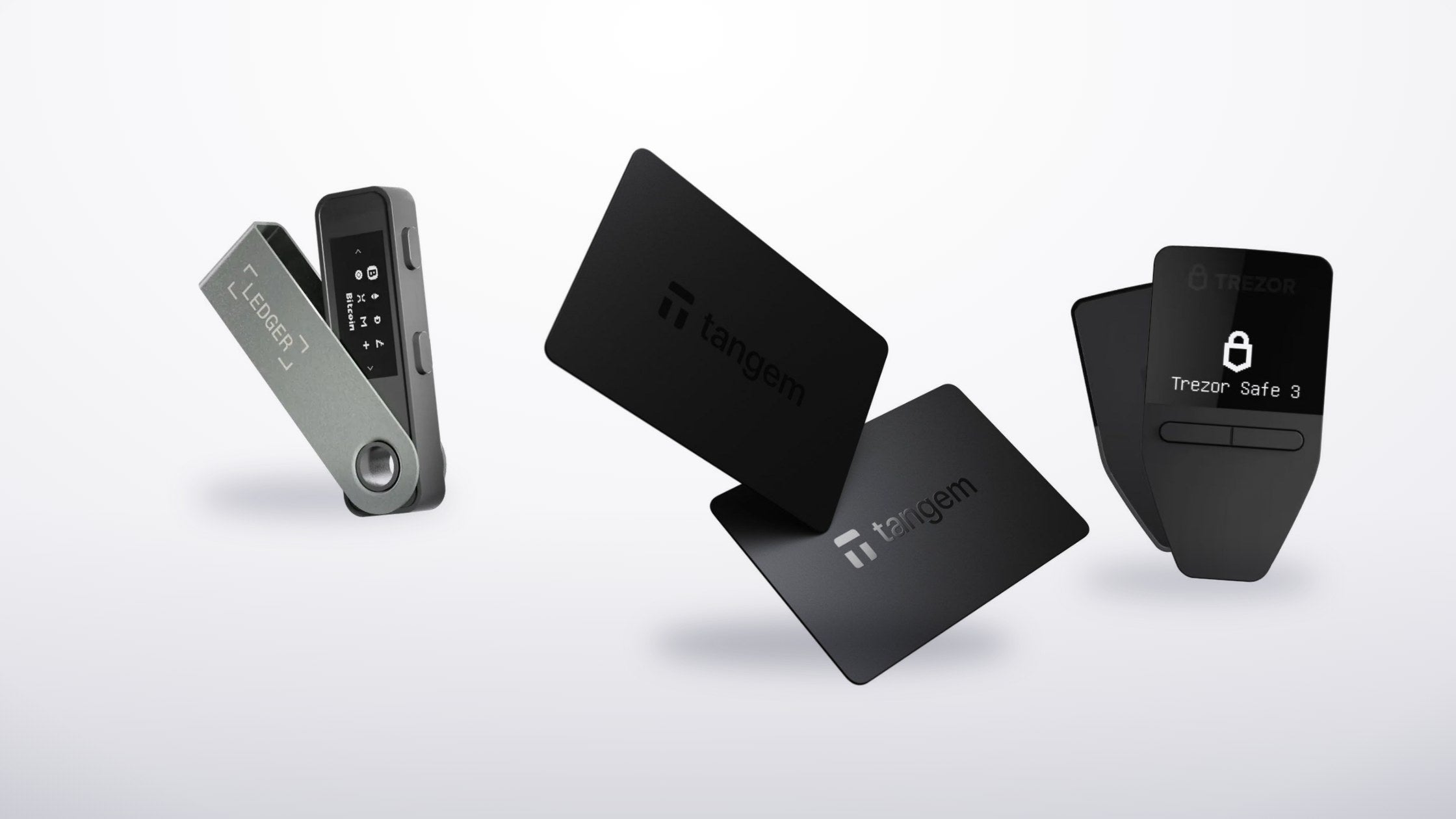
Tangem
฿2,190
- การ์ดสองใบ ใช้งานโดยแตะกับมือถือผ่าน NFC ไม่ต้องชาร์จและไม่ต้องใช้สาย
- รองรับทั้ง iPhone และ Android
- ค่าเริ่มต้นไม่มีวลีกู้คืนให้บันทึก โดยใช้การ์ดใบที่สองเป็นตัวสำรอง
ที่หยิบใส่คือสีดำ สีขาวเลือกได้ที่หน้าสินค้า
รุ่นนี้เหมาะกับผู้ที่ลังเลเพราะกังวลเรื่องการเก็บวลีกู้คืน ค่าเริ่มต้นของ Tangem ไม่มีการสร้างวลีกู้คืน โดยกุญแจส่วนตัวถูกสร้างขึ้นภายในการ์ด และใช้การ์ดสำรองทำหน้าที่แทน จึงไม่มีชุดคำที่อาจสูญหาย อย่างไรก็ตามข้อแลกเปลี่ยนมีอยู่จริง เนื่องจากตัวการ์ดคือวอลเล็ต การ์ดสำรองจึงต้องเก็บรักษาอย่างระมัดระวังเทียบเท่ากับกระดาษบันทึก 24 คำ นอกจากนี้ Tangem ยังมีตัวเลือกสร้างวลีกู้คืนในขั้นตอนตั้งค่าสำหรับผู้ที่ต้องการ ซึ่งเมื่อเลือกแล้วไม่สามารถย้อนกลับได้ สำหรับผู้ที่กำลังถอนเงินก้อนแรกมูลค่า 50,000 บาทออกจากเว็บเทรดโดยใช้ iPhone รุ่นนี้เป็นทางเลือกที่ใช้ขั้นตอนน้อยที่สุด

Ledger
฿2,060
- ชิป secure element ผ่านการรับรองมาตรฐาน CC EAL6+ สูงกว่ารุ่น Nano X ที่ราคาสูงกว่า
- มีหน้าจอสำหรับตรวจสอบทุกธุรกรรมบนตัวอุปกรณ์
- รองรับคอมพิวเตอร์และ Android เท่านั้น ไม่รองรับ iPhone
ที่หยิบใส่คือสี Matte Black อีกสี่สีเลือกได้ที่หน้าสินค้า
เป็นรุ่นที่ผู้ใช้ในประเทศไทยเลือกเริ่มต้นมากที่สุด และเป็นทางเลือกที่มีราคาต่ำที่สุดสำหรับชิป secure element ที่ผ่านการรับรอง จุดที่หลายคนไม่ทราบคือระดับการรับรองของชิปสูงกว่ารุ่น Nano X ซึ่งมีราคาสูงกว่า ผู้ซื้อจึงไม่ได้รับอุปกรณ์ที่ลดทอนคุณสมบัติแต่อย่างใด สิ่งเดียวที่ต้องตรวจสอบก่อนสั่งซื้อคืออุปกรณ์รุ่นนี้ไม่มี Bluetooth และไม่รองรับ iPhone ซึ่งเป็นสาเหตุอันดับหนึ่งของการส่งคืนสินค้า ผู้ที่ใช้งานคริปโตผ่าน iPhone ควรตรวจสอบรายการรุ่นที่รองรับ iPhoneก่อน

Trezor
฿3,890 ฿4,590-15%
- ชิป secure element ผ่านการรับรองมาตรฐาน EAL6+ พร้อมเฟิร์มแวร์และการออกแบบแบบโอเพนซอร์ส
- รองรับ passphrase กรอกบนตัวอุปกรณ์ เพื่อสร้างวอลเล็ตซ่อนแยกอีกชุด
- สำรองข้อมูลได้แบบ 12, 20 หรือ 24 คำ ตั้งค่าผ่าน Trezor Suite บนคอมพิวเตอร์
ที่หยิบใส่คือสี Cosmic Black อีกสามสีเลือกได้ที่หน้าสินค้า
เป็นรุ่นที่ขยับขึ้นมาอีกระดับ เหมาะกับผู้ที่ต้องการตรวจสอบซอร์สโค้ดด้วยตนเอง หรือผู้ที่ต้องการใช้ passphrase ซึ่งเป็นคุณสมบัติที่ควรทำความเข้าใจ เนื่องจากเป็นการสร้างวอลเล็ตแยกอีกชุดหนึ่งจากชุดคำเดิม ถือเป็นรูปแบบความปลอดภัยที่ต่างจากการตั้ง PIN โดยสิ้นเชิง ทั้งนี้ Trezor เปิดเผยเฟิร์มแวร์ให้ตรวจสอบได้ตั้งแต่ปี 2014 จึงยังเป็นรุ่นที่ได้รับการแนะนำในกลุ่มผู้ใช้ที่ให้ความสำคัญกับระบบแบบเปิด
หากทั้งสามรุ่นยังไม่ตรงกับความต้องการ สามารถดูรุ่นทั้งหมดได้ที่หน้าฮาร์ดแวร์วอลเล็ต ซึ่งมีทั้ง Ledger, Trezor, SafePal, Tangem, OneKey, Blockstream, Keystone, SecuX, CoolWallet และแบรนด์อื่นๆ มีสินค้าพร้อมส่งที่กรุงเทพฯ
คำถามที่พบบ่อย
Bitkub ปลอดภัยหรือไม่
Bitkub เป็นเว็บเทรดที่มีใบอนุญาตรายใหญ่ที่สุดในประเทศไทย อยู่ภายใต้การกำกับดูแลของสำนักงาน ก.ล.ต. และยังไม่เคยทำให้ลูกค้าสูญเสียเงิน รวมถึงกรณีปี 2564 ที่ผู้ร่วมก่อตั้งใช้เงินส่วนตัวซื้อสินทรัพย์มาทดแทน ในขณะเดียวกันบริษัทก็ถูกหน่วยงานกำกับดูแลรายเดียวกันกล่าวโทษเมื่อเดือนกรกฎาคม 2569 กรณีการรายงานความเสียหายเมื่อปี 2564 ทั้งสองข้อเป็นข้อเท็จจริงที่เกิดขึ้นพร้อมกัน คำถามว่าปลอดภัยเพียงพอสำหรับการเทรด กับปลอดภัยเพียงพอสำหรับการเก็บเงินออมไว้ระยะยาว เป็นคนละคำถาม และคำถามหลังคือประเด็นที่ควรพิจารณา
การย้ายคริปโตไปฮาร์ดแวร์วอลเล็ตทำให้เสียสิทธิยกเว้นภาษีหรือไม่
ไม่เสียสิทธิ การโอนระหว่างวอลเล็ตที่ผู้ใช้เป็นเจ้าของเองไม่ถือเป็นการขาย สิทธิยกเว้นภาษีพิจารณาจากช่องทางที่เกิดการขาย คือต้องผ่านผู้ประกอบธุรกิจที่ได้รับใบอนุญาตจากสำนักงาน ก.ล.ต. ไม่ได้พิจารณาจากสถานที่จัดเก็บเหรียญก่อนหน้านั้น ทั้งนี้ควรจัดเก็บบันทึกการซื้อไว้ และหากเป็นเงินจำนวนมากควรตรวจสอบกับนักบัญชีในประเทศไทย
ควรมีคริปโตมูลค่าเท่าใดจึงคุ้มค่าที่จะซื้อ
เกณฑ์ที่ทีมงานใช้ที่หน้าร้านคือ หากสูญเสียยอดนั้นแล้วกระทบแผนการเงินทั้งปี ต้นทุนของวอลเล็ตถือว่าต่ำมาก โดยประมาณ 50,000 บาทคือระดับที่ควรเริ่มพิจารณา และเมื่อถึง 100,000 บาท เหตุผลที่ยังเก็บไว้บนเว็บเทรดส่วนใหญ่มาจากความเคยชิน
สามารถเก็บไว้บนเว็บเทรดบางส่วนและเก็บเองบางส่วนได้หรือไม่
สามารถทำได้ และเป็นแนวทางที่ผู้ถือครองระยะยาวส่วนใหญ่ใช้ โดยเก็บยอดที่ใช้เทรดไว้บนเว็บเทรด และถอนยอดที่ถือครองระยะยาวออกมาเก็บเอง ไม่มีข้อกำหนดว่าต้องเลือกเพียงแนวทางเดียว
หากทำฮาร์ดแวร์วอลเล็ตสูญหายจะเกิดอะไรขึ้น
คริปโตไม่ได้รับผลกระทบ ตัวอุปกรณ์ทำหน้าที่เก็บกุญแจ ไม่ใช่ตัวกุญแจ ผู้ใช้สามารถซื้ออุปกรณ์ใหม่ ยี่ห้อใดก็ได้ที่รองรับมาตรฐานเดียวกัน แล้วกรอกวลีกู้คืนเพื่อเรียกยอดคงเหลือกลับคืนมา ด้วยเหตุนี้วลีกู้คืนจึงมีความสำคัญมากกว่าตัวอุปกรณ์
Binance TH กับ Binance เป็นรายเดียวกันหรือไม่
ไม่ใช่รายเดียวกัน Binance TH ดำเนินการโดย Gulf Binance ซึ่งเป็นบริษัทร่วมทุนกับ Gulf Energy Development และถือใบอนุญาตในประเทศไทย ส่วนแพลตฟอร์มระดับสากล binance.com เป็นคนละนิติบุคคล โดยสำนักงาน ก.ล.ต. เคยกล่าวโทษแพลตฟอร์มดังกล่าวเมื่อปี 2564 ในข้อหาประกอบธุรกิจโดยไม่ได้รับอนุญาต หากพิจารณาเรื่องสิทธิยกเว้นภาษี ความแตกต่างนี้มีความสำคัญ เนื่องจากสิทธิดังกล่าวผูกกับใบอนุญาต
ควรถอนออกทั้งหมดทันทีหรือไม่
ไม่ควรดำเนินการอย่างเร่งรีบ เนื่องจากเป็นสาเหตุของความผิดพลาด ควรตั้งค่าวอลเล็ตให้เรียบร้อยก่อน ตรวจสอบวลีกู้คืนให้ถูกต้อง ทดลองโอนยอดจำนวนน้อยและยืนยันว่าได้รับจริง จากนั้นจึงย้ายส่วนที่เหลือ
มีผู้อ้างตัวเป็นฝ่ายบริการลูกค้าขอให้ยืนยันวลีกู้คืน ถือเป็นเรื่องปกติหรือไม่
ไม่ปกติ และเป็นการหลอกลวงทุกกรณีโดยไม่มีข้อยกเว้น ทาง SIAMBC ผู้ผลิตทุกราย และเว็บเทรดทุกแห่ง ไม่มีนโยบายขอวลีกู้คืนจากลูกค้า ไม่ว่าจะอ้างเหตุผลเรื่องการเคลมประกัน การยืนยันตัวตน การอัปเดตเฟิร์มแวร์ หรือการย้ายวอลเล็ต
ซื้อในประเทศไทย
สินค้าทุกรุ่นที่กล่าวถึงในบทความนี้มีพร้อมส่งที่หน้าร้าน ย่านทวีวัฒนา กรุงเทพฯ จัดส่งฟรีทั่วประเทศภายใน 1-2 วันทำการ สำหรับในกรุงเทพฯ สามารถจัดส่งภายในวันเดียวผ่าน Grab หรือ LINEMAN โดยติดต่อนัดหมายผ่าน LINE
สำหรับผู้ที่ถอนคริปโตออกจากเว็บเทรดเป็นครั้งแรก แนะนำให้เข้ามาที่หน้าร้านมากกว่าการสั่งซื้อออนไลน์ ทีมงานจะตั้งค่าอุปกรณ์ไปพร้อมกับลูกค้า ตรวจสอบความถูกต้องของการบันทึกวลีกู้คืน และทดลองโอนก่อนย้ายทรัพย์สินจริง ใช้เวลาประมาณยี่สิบนาที และช่วยลดขั้นตอนที่มักเกิดความผิดพลาดได้ ร้านเปิดวันจันทร์ถึงเสาร์ เวลา 9:00 ถึง 17:00 น.
ดูฮาร์ดแวร์วอลเล็ตทั้งหมด หรือติดต่อสอบถามก่อนตัดสินใจ ทีมงานยินดีตอบคำถามก่อนการสั่งซื้อ
กฎเหล็กข้อเดียวที่ต้องจำ
ใครก็ตามที่ขอวลีกู้คืน 24 คำของคุณ คือมิจฉาชีพ 100% ไม่มีข้อยกเว้น
ทาง SIAMBC และผู้ผลิตทุกเจ้าไม่มีวันขอ ไม่ว่าจะอ้างว่าเป็นการเคลมประกัน ยืนยันตัวตน อัปเดตระบบ หรือกู้คืนบัญชีก็ตาม วลี 24 คำคือกุญแจสู่เงินของคุณ ใครได้ไป เงินหายทันที ไม่มีทางเรียกคืน
แชร์:
อธิบายเหตุการณ์แฮก COLDCARD เกิดอะไรขึ้น ใครได้รับผลกระทบ และต้องทำอย่างไร
หลังเหตุ Coldcard เงินไหลไปไหนกันแน่