

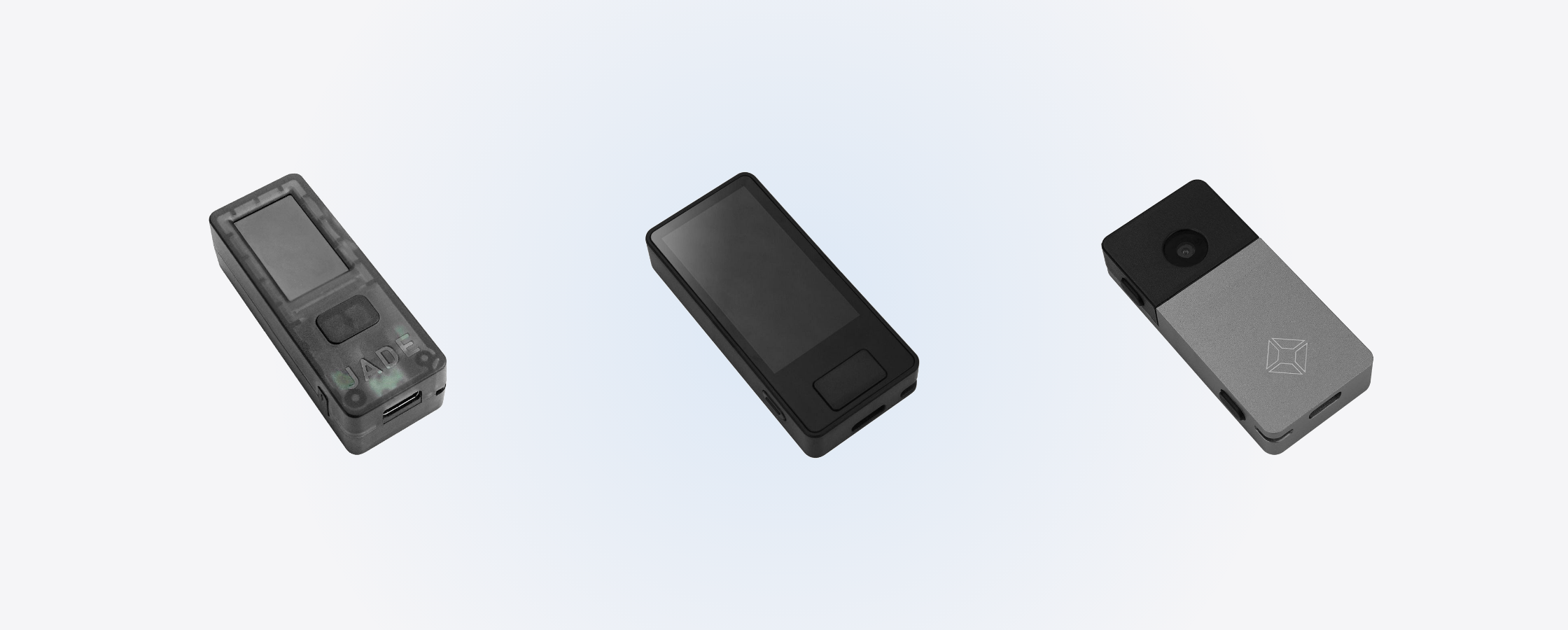
สรุปสั้นๆ ก่อนเลย
- ทั้งสามรุ่นใช้เฟิร์มแวร์ตัวเดียวกัน Classic Core Plus ต่างกันที่ของรอบนอก ไม่ได้ต่างกันที่ความปลอดภัย
- Jade ไม่มีชิปความปลอดภัยแยก ใช้ระบบ Blind Oracle แทน เพื่อให้เปิดซอร์สโค้ดได้ทั้งเครื่อง
- Core ไม่มีกล้อง จึงเซ็นแบบออฟไลน์ไม่ได้ ตรงนี้คือข้อแตกต่างที่สำคัญที่สุดระหว่างสามรุ่น
- Core แพงกว่า Classic ทั้งที่สเปกน้อยกว่า เป็นราคาจาก Blockstream เอง ไม่ใช่ร้านตั้งเอง
- รองรับแค่ Bitcoin กับ Liquid ใครถือหลายเชนต้องดูรุ่นอื่น
ช่วงนี้มีคนถามแอดเรื่อง Blockstream Jade เยอะขึ้นมากครับ ส่วนหนึ่งเพราะ Blockstream เพิ่งจัดไลน์อัปใหม่เป็นสามรุ่น และหลายคนงงว่าตกลง Classic Core Plus ต่างกันตรงไหน ทำไมรุ่นที่เขาบอกว่าเป็นรุ่นเริ่มต้น ถึงแพงกว่ารุ่นเดิม
อีกส่วนหนึ่งมาจากข่าว Coldcard เมื่อปลายเดือนกรกฎาคมที่ผ่านมาครับ ความผิดพลาดในเฟิร์มแวร์ตั้งแต่ปี 2021 ทำให้วลีกู้คืนของบางเครื่องถูกเดาได้ และมีเหรียญถูกโอนออกไปแล้วกว่า 1,800 BTC แอดเขียนไว้ละเอียดใน บทความเรื่อง Coldcard โดนแฮก ใครยังไม่ได้อ่านแนะนำให้ไปอ่านก่อน
พอมีเรื่องแบบนี้ คนก็เริ่มถามกันมากขึ้นว่าจะรู้ได้ยังไงว่าเครื่องที่ถืออยู่ไม่มีปัญหาแบบเดียวกัน และนั่นคือเหตุผลที่ชื่อ Jade ถูกพูดถึงบ่อยขึ้น เพราะเป็นวอลเล็ตที่เปิดซอร์สโค้ดให้ตรวจสอบได้ทั้งเครื่อง
Jade เป็นวอลเล็ตที่ต่างจากยี่ห้ออื่นในร้านเราพอสมควร เพราะรองรับแค่ Bitcoin กับ Liquid และเปิดซอร์สโค้ดทั้งหมด บทความนี้แอดเล่าให้ครบทั้งสามรุ่นเลยครับ
📊 สามรุ่นต่างกันตรงไหน

| Jade Classic | Jade Core | Jade Plus | |
|---|---|---|---|
| การเชื่อมต่อ | USB-C, Bluetooth, QR | USB-C, Bluetooth | USB-C, Bluetooth, QR, SD |
| กล้อง เซ็นแบบออฟไลน์ | มี | ไม่มี | มี |
| แบตเตอรี่ในตัว | มี | ไม่มี ใช้ไฟจาก USB | มี |
| ช่องเสียบ SD card | ไม่มี | ไม่มี | มี |
| จอ | จอสี 240 x 135 | จอสี 1.9 นิ้ว 320 x 170 | จอสี |
| เหรียญที่รองรับ | Bitcoin และ Liquid | Bitcoin และ Liquid | Bitcoin และ Liquid |
| เฟิร์มแวร์ Open Source | ใช่ | ใช่ | ใช่ |
จะเห็นว่าสิ่งที่ไม่ต่างกันเลยคือเรื่องสำคัญที่สุด ทั้งสามรุ่นใช้เฟิร์มแวร์ Open Source ตัวเดียวกัน ใช้ระบบความปลอดภัยแบบเดียวกัน และรองรับเหรียญชุดเดียวกัน ที่ต่างกันคือของรอบนอก กล้อง แบตเตอรี่ และช่องเสียบ SD card
🔐 ทำไม Jade ไม่มีชิปความปลอดภัย แล้วยังปลอดภัยอยู่ไหม
ถ้าเปิดตารางเทียบของร้านเรา จะเห็นว่าช่องชิปความปลอดภัยของ Jade ทั้งสามรุ่นเขียนว่าไม่ระบุ ไม่ใช่ความผิดพลาดครับ Jade ไม่ได้ใส่ชิปความปลอดภัยแยกมาจริงๆ
Blockstream เลือกใช้วิธีที่เขาเรียกว่า Blind Oracle แทน คือใช้การเข้ารหัสจำลองการป้องกันแบบเดียวกับที่ชิปความปลอดภัยทำ เพื่อกันไม่ให้ใครดึงกุญแจออกจากตัวเครื่องด้วยวิธีทางกายภาพ
เหตุผลที่เขาเลือกทางนี้คือชิปความปลอดภัยที่ผ่านการรับรองเกือบทั้งหมดปิดซอร์สโค้ด ผู้ผลิตชิปไม่เปิดให้ดู ถ้า Jade ใส่ชิปแบบนั้นเข้าไป ก็จะพูดไม่ได้เต็มปากว่าเปิดซอร์สโค้ดทั้งเครื่อง การไม่ใส่ชิปจึงเป็นการแลก ไม่ใช่การลดคุณภาพ
แอดอยากให้มองแบบนี้ครับ ถ้าให้ค่ากับการที่โค้ดทุกบรรทัดถูกตรวจสอบได้จากคนนอก Jade ตอบโจทย์ แต่ถ้าอยากได้ชิปที่มีใบรับรอง CC EAL6+ ติดมาด้วย ต้องไปดูยี่ห้ออื่น อันนี้เลือกได้ตามที่ให้ค่า
📷 กล้องคือตัวที่แยก Core ออกจากอีกสองรุ่น
Jade Classic กับ Jade Plus มีกล้องมาให้ ส่วน Jade Core ไม่มี และตรงนี้ไม่ใช่แค่เรื่องถ่ายรูปครับ
กล้องนี่แหละที่ทำให้เซ็นธุรกรรมแบบออฟไลน์เต็มรูปแบบได้ คือไม่ต้องต่อสายและไม่ต้องต่อ Bluetooth เลย ใช้วิธีสแกน QR ไปมาระหว่างเครื่องกับมือถือแทน ตัวเครื่องจึงไม่ต้องเชื่อมต่อกับอะไรทั้งสิ้น
Jade Core ตัดกล้องกับแบตเตอรี่ออก เหลือต่อผ่าน USB-C กับ Bluetooth อย่างเดียว แลกมากับการตั้งค่าที่ง่ายกว่าและเร็วกว่าสำหรับคนที่เพิ่งย้ายเหรียญออกจากเว็บเทรดครั้งแรก
🟠 รองรับแค่ Bitcoin กับ Liquid
ทั้งสามรุ่นรองรับ Bitcoin กับ Liquid เท่านั้น ไม่มี Ethereum ไม่มีเหรียญอื่น ใครถือหลายเชนอยู่ Jade ไม่ใช่คำตอบครับ ต้องดูรุ่นที่รองรับหลายเชนแทน
แต่สำหรับคนที่ถือ Bitcoin อย่างเดียว การที่เครื่องไม่มีเหรียญอื่นมาปะปน แปลว่าโค้ดที่ต้องเชื่อใจมีน้อยลงตามไปด้วย หลายคนมองว่านี่คือข้อดี ไม่ใช่ข้อจำกัด
💡 สรุป ซื้อรุ่นไหนดี
Jade Classic คุ้มที่สุดในสามรุ่น ได้ทั้งกล้องและแบตเตอรี่ เซ็นออฟไลน์ได้ ถ้าไม่ได้ต้องการ SD card หรือตัวเครื่องโลหะ รุ่นนี้จบครับ
Jade Core เหมาะกับคนที่เพิ่งเริ่ม อยากย้ายเหรียญออกจากเว็บเทรดให้เร็วที่สุด ไม่อยากศึกษาเยอะ แลกกับการที่เซ็นแบบออฟไลน์ไม่ได้
Jade Plus สำหรับคนที่เอาจริง ได้ช่องเสียบ SD card เพิ่มมาอีกทางสำหรับส่งข้อมูล และมีตัวเครื่องอะลูมิเนียมให้เลือกหลายสี

Blockstream
- มีกล้อง เซ็นแบบออฟไลน์ได้
- มีแบตเตอรี่ในตัว
- เฟิร์มแวร์ Open Source ทั้งหมด
หยิบใส่ตะกร้า: สีดำ สีอื่นเลือกได้ที่หน้าสินค้า

Blockstream
- ตั้งค่าเสร็จใน 5 นาที
- จอสี 1.9 นิ้ว 320 x 170
- ต่อ USB-C และ Bluetooth
ตอนนี้ของหมด กดแจ้งเตือนที่หน้าสินค้าได้

Blockstream
- มีกล้องและช่องเสียบ SD card
- ตัวเครื่องอะลูมิเนียมมีให้เลือก
- เซ็นแบบออฟไลน์เต็มรูปแบบ
หยิบใส่ตะกร้า: Black (Plastic) รุ่นตัวเครื่องโลหะราคาสูงกว่า เลือกได้ที่หน้าสินค้า
❓ คำถามที่เจอบ่อย
ไม่มีชิปความปลอดภัยแล้วจะโดนแฮกง่ายกว่าไหม Blockstream ออกแบบให้ระบบเข้ารหัสทำหน้าที่แทนการป้องกันแบบที่ชิปทำ และในทางปฏิบัติคนไทยที่เสียเหรียญเกือบทั้งหมดเกิดจากถูกหลอกให้บอกวลีกู้คืน ไม่ใช่ถูกเจาะเครื่อง
ทั้งสามรุ่นใช้แอปเดียวกันไหม ใช้แอป Blockstream ตัวเดียวกันครับ ไม่ต้องเรียนรู้ใหม่
ซื้อที่ SIAMBC ต่างจากที่อื่นยังไง เราเป็นตัวแทนจำหน่ายอย่างเป็นทางการในไทยตั้งแต่ปี 2559 ของใหม่ ซีลจากโรงงาน มีหน้าร้านจริงในกรุงเทพฯ เข้ามาดูของก่อนตัดสินใจได้ครับ
🛒 ซื้อในไทย
SIAMBC เป็นตัวแทนจำหน่ายอย่างเป็นทางการของ Blockstream ในไทย ของทุกชิ้นเป็นของใหม่ ซีลจากโรงงาน รับมาจากช่องทางจัดจำหน่ายโดยตรง ส่งฟรีทั่วประเทศ ในกรุงเทพฯ ส่งถึงภายในวันเดียว
มีหน้าร้านจริงที่ทวีวัฒนา เข้ามาจับเครื่องจริงก่อนตัดสินใจได้ครับ หรือทักมาถามทาง LINE @siambc ก่อนก็ได้ ทีมงานตอบเป็นภาษาไทยและอังกฤษ

แชร์:
Ledger Nano Gen5, Nano X และ Nano S Plus ต่างกันตรงไหน
รัสเซียเตรียมเปิดให้เทรด Bitcoin, Ethereum และ USDT อย่างถูกกฎหมาย