


Quick answer
The disclosed MetaMask security incident concerns infrastructure used by its staking and validator operation, not a confirmed compromise of ordinary MetaMask wallets. MetaMask says it has found no immediate wallet threat and is exiting affected validators as a precaution. Lido says stETH holders do not need to take action.
The phrase “MetaMask security incident” sounds like a wallet breach. The information released so far points somewhere else: infrastructure used to operate Ethereum staking validators. That distinction matters because a wallet key, a validator signing key and a staking withdrawal credential do different jobs.
What happened
On September 30, 2026, MetaMask disclosed an ongoing incident affecting part of its infrastructure. It said it was investigating and remediating the issue with clients, partners and external security advisers while proactively exiting affected validators.
MetaMask describes the staking operation as non-custodial and says it does not manage withdrawal keys for clients. Those credentials determine where the underlying ETH is delivered after a validator completes withdrawal; they are separate from the operational keys used to perform validator duties.
View MetaMask's security update on X
Are MetaMask wallets at risk?
MetaMask says it has identified no immediate threat to MetaMask wallets. There is currently no basis to describe the disclosure as a compromise of every extension or mobile wallet, and users have not been told to move assets from ordinary MetaMask accounts.
The investigation is still active. Users should follow official channels and expect opportunistic phishing campaigns claiming that a wallet must be “verified” or “secured” by entering its Secret Recovery Phrase.
MetaMask and Lido do not need your Seed Phrase, private key or password to investigate this incident. Never enter those details into a website received through a direct message, email or advertisement.
Why the validators are exiting
Ethereum validators use operational signing keys to attest and propose blocks. If the environment or keys may have been exposed, exiting limits the opportunity for misuse and allows stake to be redeployed later under fresh keys.
An exit is not an instant withdrawal. Validators enter an exit queue, progress through withdrawal and can later re-enter staking. During that cycle they may miss rewards, and an operator that goes offline too early may incur penalties. That operational cost can still be preferable to keeping uncertain infrastructure online.
What Lido said
Lido confirmed that MetaMask Staking, formerly Consensys Staking, had begun exiting the Ethereum validators it operates for the protocol. The last affected validators are expected to exit by October 7, 2026, while the full withdrawal and re-entry cycle could take up to roughly 45 days depending on Ethereum's queues.
For end users, the practical message is straightforward: Lido says stETH holders do not need to take action. Its multi-operator design reduces reliance on any single node operator, although some rewards may be forgone during the transition.
View Lido Finance's statement on X
What is known and unknown
Independent onchain analysis estimates that roughly 17,000 validators were entering the exit process and that block-production payments worth about 0.36 ETH were redirected. These figures help describe observable activity, but MetaMask has not yet published a final incident report confirming the complete scope.
The root cause, precise systems accessed, full duration and final impact remain undisclosed. Preliminary onchain evidence should therefore be treated as a working picture, not a substitute for the eventual post-mortem.
| Area | Latest position |
|---|---|
| Ordinary MetaMask wallets | No immediate threat identified |
| Staking infrastructure | Under investigation and remediation |
| Affected validators | Exiting as a precaution |
| Client withdrawal keys | Not held by MetaMask, according to the company |
| stETH holders | No action required, according to Lido |
What users should do
- Use official channels. Check account names and domains before following updates.
- Never enter a Seed Phrase on a website. No response or recovery process requires it.
- Review approvals. Revoke unused or unfamiliar smart-contract permissions.
- Separate spending from savings. Keep a DApp wallet apart from long-term holdings.
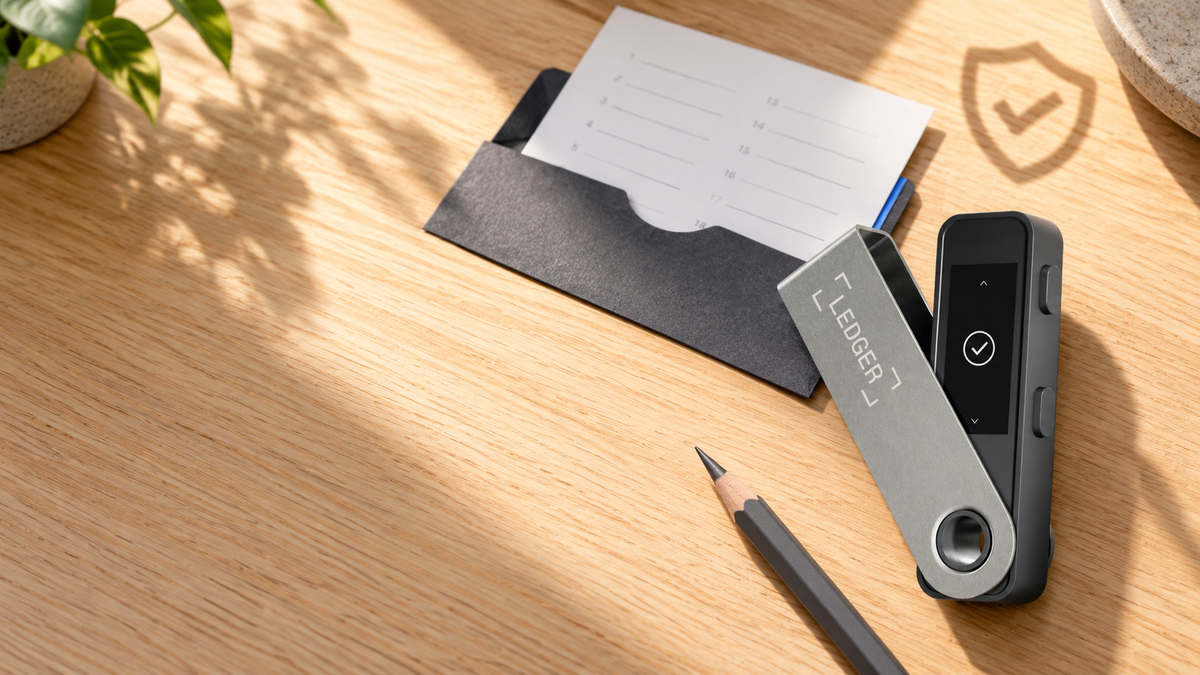
- Consider a hardware wallet. Keep primary signing keys out of the browser and verify every transaction on the device.
Security lessons
A consumer wallet, staking platform, validator key and withdrawal credential are separate security layers. A problem in one does not automatically compromise every other layer, but operators still need to isolate systems quickly because the layers interact operationally.
A MetaMask account backed by a hardware wallet keeps that account's private key in dedicated hardware while MetaMask acts as the DApp interface. This reduces browser key exposure, but it does not make an unsafe smart-contract signature harmless. The device screen remains the final checkpoint.
Ways to keep keys out of the browser

TREZOR
Trezor Safe 5
฿7,490
- Colour touchscreen for clear review
- Auditable open-source firmware
- Suited to Web3 use and long-term storage
This button selects Black Graphite. Other colours are available on the product page.

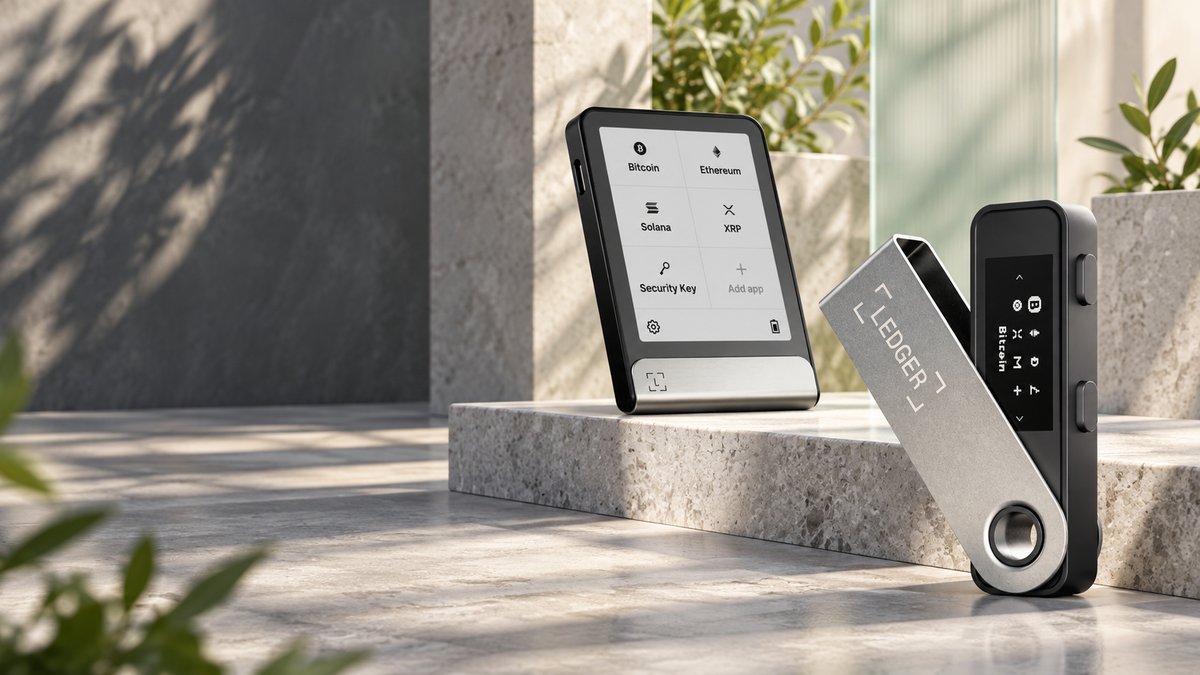
LEDGER
Ledger Nano X
฿4,200
- Bluetooth mobile connectivity
- Broad app and third-party wallet support
- Built-in battery for portable use
This button selects Onyx Black. Check current availability on the product page.

ONEKEY
OneKey Classic 1S
฿3,450
- Slim, portable design
- USB-C and Bluetooth connectivity
- Suitable for multi-chain users
Standard model. See the product page for current details.

TANGEM
Tangem Ring + Tangem Wallet 2 Cards Set
฿5,290
- Tap a phone through NFC
- Two backup cards included
- No charging required
This button selects US size 7. Measure your ring size before ordering.
Frequently asked questions
Was MetaMask hacked?
MetaMask disclosed an incident affecting part of its infrastructure. It has not identified an immediate threat to user wallets, and the public response currently concerns staking and validator operations.
Should I move funds out of MetaMask?
MetaMask has not instructed ordinary wallet users to move funds because of this incident. Anyone who sees unauthorised activity or has exposed a Seed Phrase should move assets to a newly created wallet from a clean device.
Do stETH holders need to do anything?
Lido says no. Validator exits, withdrawals and eventual re-staking are operational processes handled by the providers and protocol.
How does a hardware wallet help with MetaMask?
It keeps the hardware-backed account's private key outside the browser. Signatures still require careful review on the device, especially when interacting with smart contracts.
Conclusion
This is an incident in MetaMask's staking infrastructure that triggered precautionary validator exits, not evidence that every MetaMask wallet was breached. MetaMask wallet users and stETH holders have not been asked to take special action. Follow official updates, expect phishing attempts and never disclose a Seed Phrase.
Written by Bank · Updated October 1, 2026
Share:
What Is Ledger? How Its Hardware Wallets Work and Who They Suit