

The most important thing in trading crypto or transacting on a blockchain is the crypto wallet, which keeps digital money from being stolen by bad actors or hackers.
2021 is said to be the most successful period yet for DeFi and NFTs, opening a new chapter in the technology that lets us carry out financial transactions or buy and sell goods on the decentralised blockchain through various platforms. That opportunity gives users more chance to seek out financial prosperity. The drawback of such a system, however, is that there is nobody supervising it, so any transaction has to be carried out by the user alone — which leaves an opening for bad actors to devise all sorts of methods to trick us out of our digital money, with the victim having nobody to appeal to.
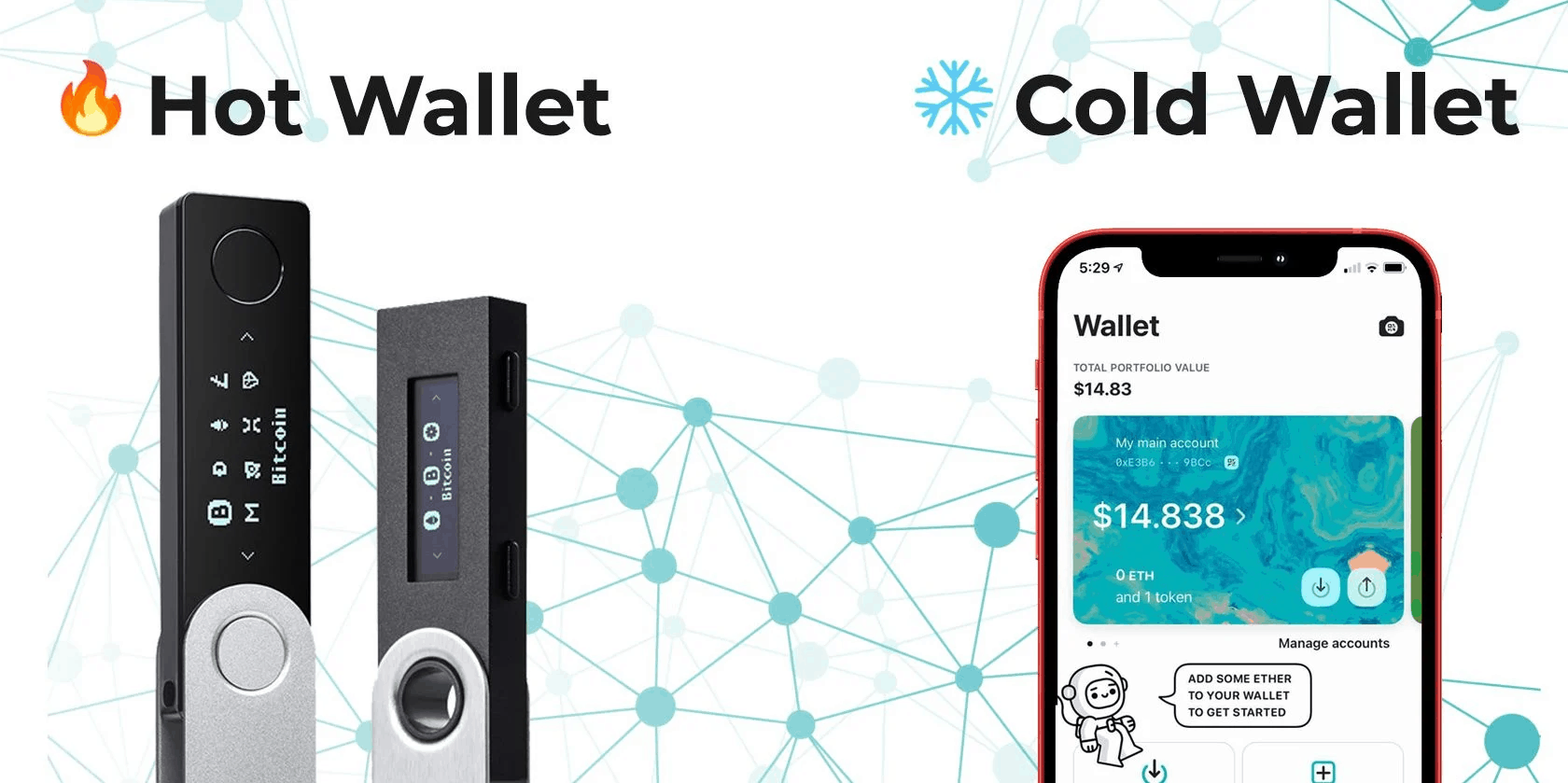
This is where a crypto wallet helps us store our digital money more safely. There are two kinds of crypto wallet: hot wallets and cold wallets.
What is a hot wallet?
A hot wallet is the kind used most widely, because it is easy to set up and easy to use. This kind of wallet is created automatically when you open a user account with a digital currency exchange, whether through a phone or through a website on a computer. The wallet used for buying, selling and exchanging crypto on an exchange is what is called a hot wallet, or an online wallet.
Cold wallets are more secure
Because hot wallets are relatively low in security, users have had their digital money stolen many times. Using a cold wallet is therefore the safest way to store crypto. It is an offline wallet that connects to the hot wallet as an additional layer, controlled through a phone application or computer software.
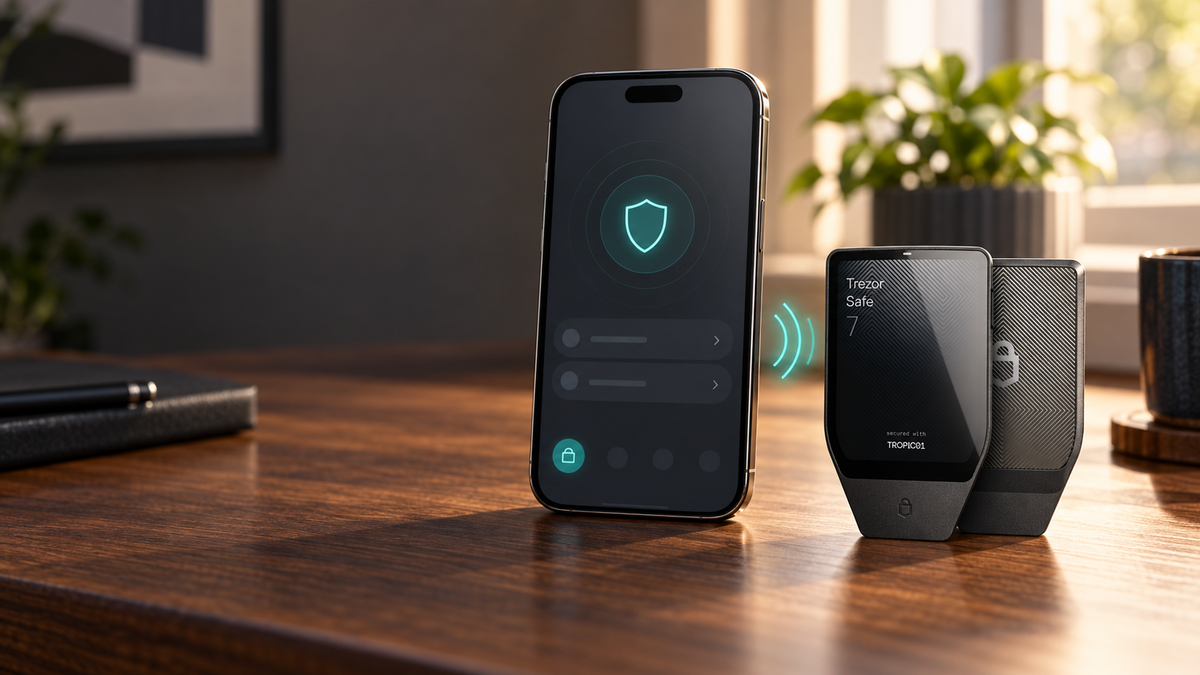
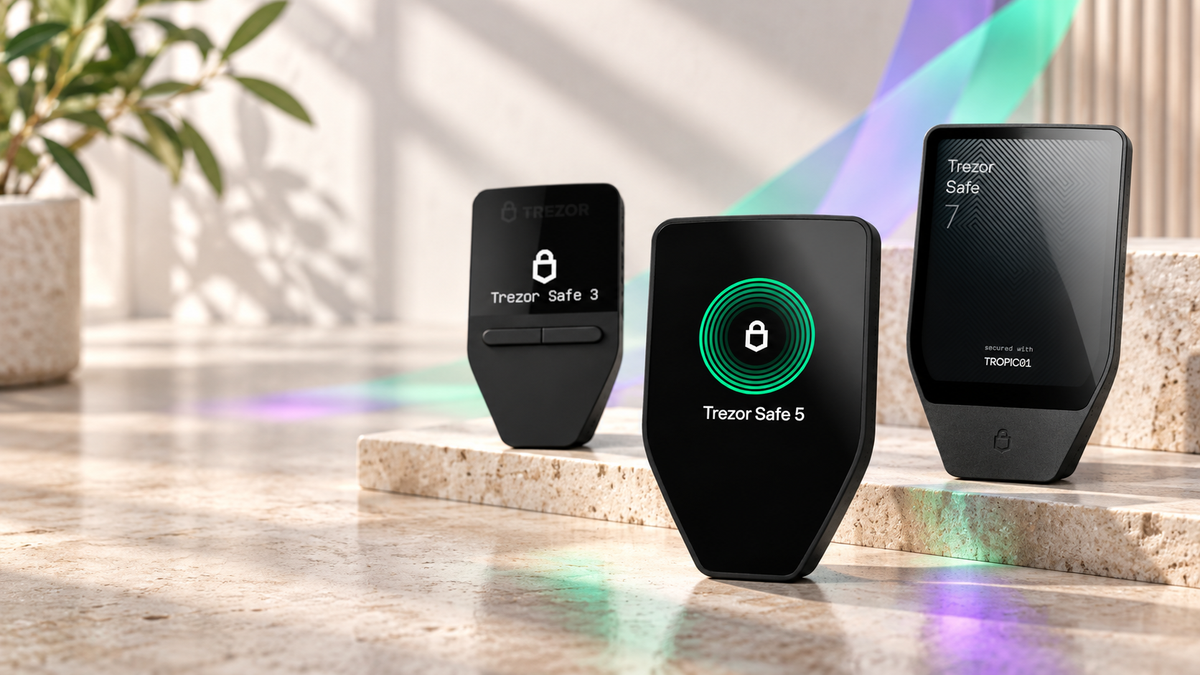
There are two kinds of cold wallet: hardware wallets and paper wallets. The most popular by far is the hardware wallet, which comes in a form rather like a USB drive or flash drive. When any transaction is carried out on a blockchain network or a dApp (decentralised application), it can connect to the hot wallet, and a PIN — which the user sets themselves — has to be entered every time a financial transaction takes place. That makes it comparatively very secure. Popular hardware wallets come from several brands: Ledger, Trezor, SafePal, CoolWallet and D'CENT.
To put it in a picture: a hot wallet is like a bank account, while a cold wallet is like a safe that nobody but you knows the combination to. For anyone using DeFi or buying and selling NFTs on a marketplace as well as trading crypto, a cold wallet is necessary in order to be confident that the money in your crypto wallet cannot easily be stolen by exploiting a hole in a smart contract or through internet access.

Share:
DeFi: an alternative route for the future of finance
Can you really earn tens of thousands playing a game? Axie Infinity explained