

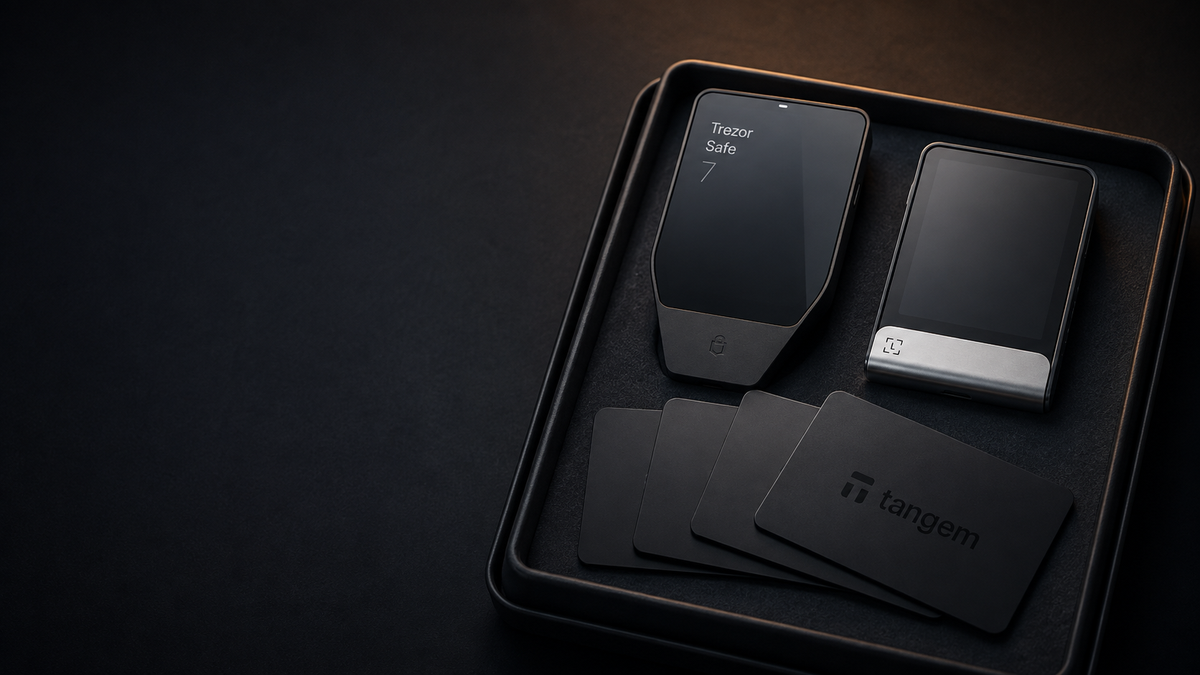
A hardware wallet can be lost, broken or stolen without the coins disappearing. Assets remain on the blockchain. What matters is whether the recovery backup is safe, whether a passphrase was used and whether an attacker may gain access to the device.
Key takeaways
- A failed device does not delete blockchain assets.
- A secure recovery seed allows restoration on compatible hardware.
- A stolen device requires faster action than a broken one.
- If the seed is exposed, create a new wallet immediately.
- Tangem uses linked cards differently from traditional seed-based wallets.
Lost, broken and stolen devices are different incidents
A broken device mainly affects availability. A lost device adds uncertainty, while a stolen device creates a possible race against physical access. In every case, first confirm whether the recovery seed or backup cards remain under your control.
Check the recovery material before doing anything
For seed-based wallets, verify that the words are complete, in order and stored offline. If a passphrase was used, it is required as well. Never type the seed into a website to “check” it. For card systems, locate the backup cards and make sure they were not stored with the missing item.
General recovery process
- Obtain a compatible device from a trusted source.
- Install the official app.
- Choose recovery rather than creating a new wallet.
- Enter backup information only through the approved device flow.
- Verify known addresses and balances.
- Send a small test transaction before normal use.
If the device was stolen
Restore as soon as practical. If the device had a weak PIN, the seed may be exposed, or the attacker knows the passphrase, create a brand-new wallet and move funds. Changing an app password does not change blockchain keys.
If the recovery seed was photographed, typed online or seen by another person, consider it compromised. A new device with the old seed does not remove that risk.
Special considerations for Tangem
A Tangem set normally has two or three linked cards. Losing one card does not remove access while another card remains. Use a surviving card to access the wallet; if security is uncertain, create a fresh wallet and transfer assets. If every card is lost and no seed-based backup was created, recovery may not be possible.
Prepare before anything goes wrong
- Verify the backup during initial setup.
- Keep device and backup in separate locations.
- Record which recovery standard and passphrase policy you use.
- Know where to buy a compatible replacement.
- Teach a trusted family member where instructions are stored.
Frequently asked questions
Can a thief use the wallet immediately?
A PIN or access code provides protection, but it should not be treated as unlimited time.
Can I restore to another brand?
Often yes for standard seeds, but verify network, derivation and backup-format compatibility.
Should I keep a spare device?
It is optional. A tested recovery backup is essential; a spare mainly reduces downtime.



Share:
Bitcoin HWI Is Moving to Maintenance Mode: What Hardware Wallet Users Need to Know
How to Store a Recovery Seed Safely: CryptoSafe Models Compared