


สรุปสั้น
- ญี่ปุ่นย้ายคริปโตออกจากหมวดวิธีชำระเงิน ไปอยู่ในหมวดสินทรัพย์ทางการเงิน หมวดเดียวกับหุ้นและตราสารหนี้
- ภาษีลดจากสูงสุด 55% เหลือราว 20% และยกยอดผลขาดทุนไปหักได้สามปี แต่เริ่มใช้จริงเดือนมกราคม 2571
- เพิ่มกฎห้ามใช้ข้อมูลภายในซื้อขาย พร้อมบังคับให้ผู้ออกสินทรัพย์บางรายเปิดเผยข้อมูลประจำปี
- โทษผู้ให้บริการที่ไม่จดทะเบียนหนักขึ้นมาก จำคุกจาก 3 ปีเป็น 10 ปี ค่าปรับจาก 3 ล้านเยนเป็น 10 ล้านเยน
- กฎหมายผ่านวุฒิสภาแล้วเมื่อกรกฎาคม 2569 จะมีผลบังคับใช้ภายในหนึ่งปีนับจากวันประกาศ
วุฒิสภาญี่ปุ่นผ่านร่างแก้ไข Financial Instruments and Exchange Act หรือกฎหมายว่าด้วยเครื่องมือทางการเงินและตลาดหลักทรัพย์ เมื่อเดือนกรกฎาคม 2569 ผลที่ตามมาคือคริปโตในญี่ปุ่นถูกจัดประเภทใหม่ทั้งหมด
การเปลี่ยนแปลงนี้ไม่ได้เป็นเพียงเรื่องถ้อยคำในกฎหมาย แต่กระทบทั้งอัตราภาษี หน้าที่เปิดเผยข้อมูล และบทลงโทษของผู้ให้บริการ
กฎหมายนี้เปลี่ยนอะไร
เดิมคริปโตในญี่ปุ่นอยู่ภายใต้ Payment Services Act หรือกฎหมายว่าด้วยบริการชำระเงิน ซึ่งมองคริปโตในฐานะวิธีการชำระเงินเป็นหลัก
กฎหมายฉบับแก้ไขย้ายคริปโตออกมาเป็นสินทรัพย์ทางการเงินอีกประเภทหนึ่ง อยู่ในกรอบเดียวกับหุ้นและตราสารหนี้ เมื่อประเภทเปลี่ยน กติกาที่ตามมาจึงเป็นกติกาของตลาดทุน ไม่ใช่กติกาของระบบชำระเงินอีกต่อไป
ภาษีจาก 55% เหลือ 20%
จุดที่ผู้ถือคริปโตในญี่ปุ่นรอคอยมานานคือเรื่องภาษี เดิมกำไรจากคริปโตถูกนับเป็นเงินได้เบ็ดเตล็ด ซึ่งเสียภาษีในอัตราก้าวหน้าสูงสุดถึง 55%
กฎหมายใหม่กำหนดอัตราไว้ที่ราว 20% ซึ่งเป็นอัตราเดียวกับที่ใช้กับหลักทรัพย์ทั่วไป และเปิดให้ยกยอดผลขาดทุนไปหักกับกำไรในปีถัดไปได้สามปี ซึ่งเดิมทำไม่ได้เลย
ข้อที่ต้องอ่านให้ครบคือ อัตราใหม่นี้จะเริ่มใช้จริงในเดือนมกราคม 2571 ไม่ใช่ทันทีที่กฎหมายมีผล
กฎใหม่ที่มาพร้อมกัน
เมื่อคริปโตถูกจัดอยู่ในหมวดเดียวกับหลักทรัพย์ กติกาที่ใช้กับหลักทรัพย์จึงตามมาด้วย กฎหมายฉบับนี้เพิ่มข้อห้ามการใช้ข้อมูลภายในซื้อขาย และกำหนดให้ผู้ออกสินทรัพย์บางรายต้องเปิดเผยข้อมูลเป็นประจำทุกปี
อีกด้านหนึ่งคือบทลงโทษของผู้ให้บริการที่ไม่ได้จดทะเบียน โทษจำคุกเพิ่มจาก 3 ปีเป็น 10 ปี และค่าปรับเพิ่มจาก 3 ล้านเยนเป็น 10 ล้านเยน
มีผลเมื่อไหร่
กฎหมายผ่านวุฒิสภาแล้วเมื่อเดือนกรกฎาคม 2569 ขั้นตอนถัดไปคือการประกาศใช้ และจะมีผลบังคับภายในหนึ่งปีนับจากวันประกาศ ส่วนอัตราภาษีใหม่แยกไทม์ไลน์ออกไปที่มกราคม 2571
เรื่อง ETF ที่ยังไม่ยืนยัน
มีรายงานว่า Japan Exchange Group ตั้งเป้าให้มีการจดทะเบียนกองทุน ETF อ้างอิงคริปโตเป็นครั้งแรก เร็วที่สุดในปี 2570 แต่จนถึงตอนนี้ยังไม่มีการยืนยันว่ากองทุน ETF อ้างอิง Bitcoin จะได้รับอนุมัติ จึงควรอ่านเรื่องนี้ในฐานะเป้าหมาย ไม่ใช่สิ่งที่เกิดขึ้นแล้ว
มองจากฝั่งไทย
กฎหมายญี่ปุ่นไม่มีผลกับผู้ถือคริปโตในไทยโดยตรง แต่ทิศทางสอดคล้องกับสิ่งที่เห็นในหลายประเทศ คือการดึงคริปโตเข้าไปอยู่ในกรอบกำกับดูแลของตลาดทุน แทนที่จะปล่อยไว้เป็นหมวดพิเศษ
สิ่งที่ตามมาพร้อมกันเสมอคือกติกา เมื่อสินทรัพย์เข้าสู่ระบบที่กำกับดูแล ก็มาพร้อมข้อกำหนดว่าซื้อขายผ่านใคร เปิดเผยข้อมูลอะไร และเสียภาษีอย่างไร
ในอีกด้านหนึ่ง การเก็บรักษาสินทรัพย์ด้วยตนเองยังเป็นคนละเรื่องกับการถือผ่านตัวกลาง การถือกุญแจส่วนตัว (Private Key) ไว้เองหมายความว่าไม่มีใครระงับหรือจำกัดการเข้าถึงได้ แต่ก็หมายความว่าผู้ถือรับผิดชอบการเก็บรักษาทั้งหมดเช่นกัน
คำถามที่พบบ่อย
คนไทยได้ประโยชน์จากภาษี 20% นี้ไหม ไม่ได้ อัตรานี้ใช้กับผู้เสียภาษีในญี่ปุ่น ผู้ที่มีหน้าที่เสียภาษีในไทยยังคงอยู่ภายใต้กฎหมายไทย
กฎหมายนี้ทำให้ซื้อขายคริปโตในญี่ปุ่นง่ายขึ้นหรือยากขึ้น สำหรับผู้ให้บริการที่จดทะเบียนถูกต้องถือว่าชัดเจนขึ้น เพราะมีกรอบกติกาที่แน่นอน ส่วนผู้ที่ไม่ได้จดทะเบียนเผชิญโทษที่หนักขึ้นมาก
ทำไมภาษีต้องรอถึงปี 2571 กฎหมายกำหนดไทม์ไลน์ของอัตราภาษีแยกจากวันที่กฎหมายมีผลบังคับใช้ จึงเป็นคนละกำหนดเวลากัน
ซื้อในไทย
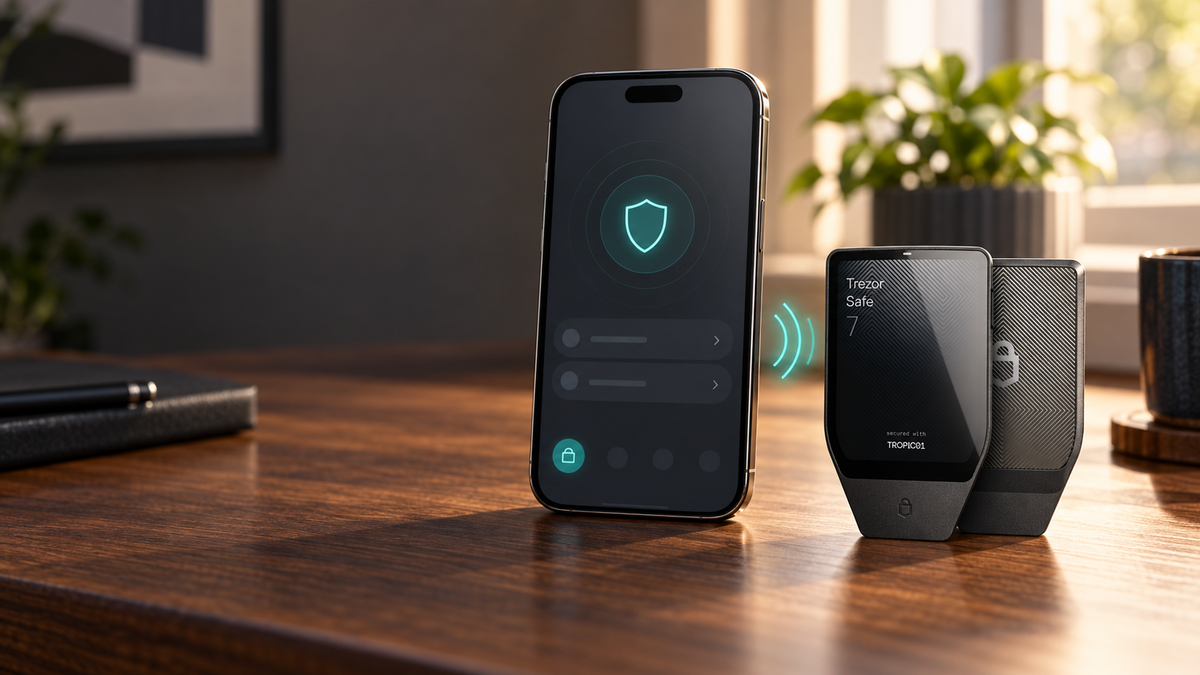
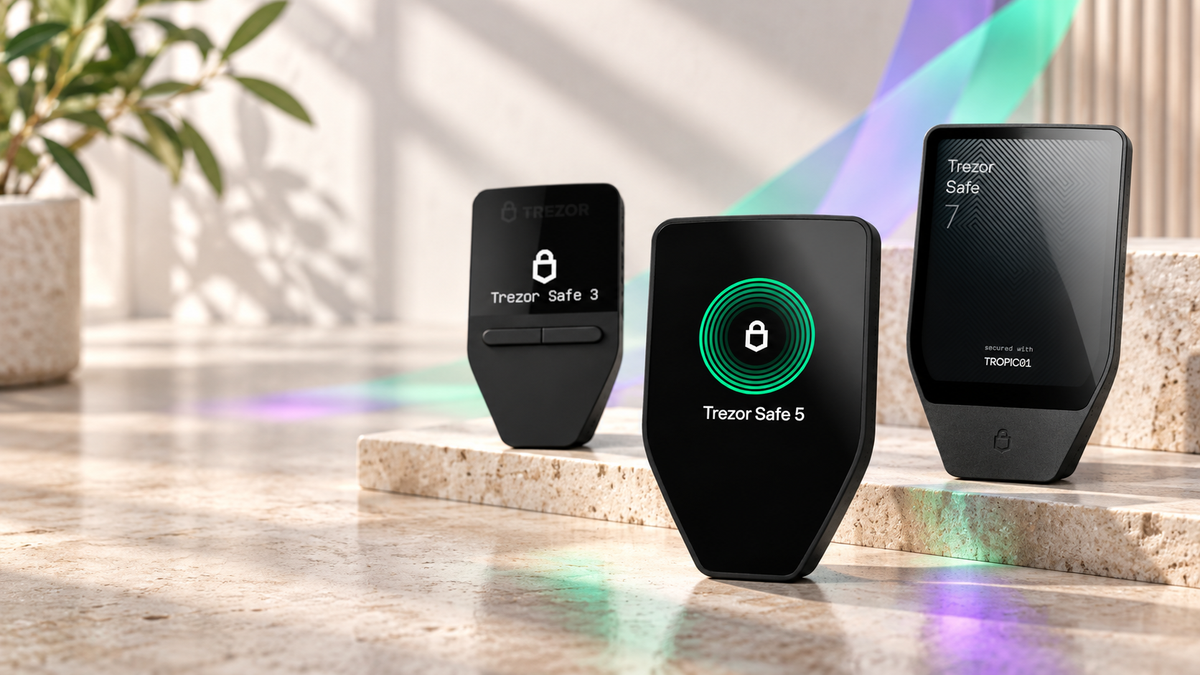
ไม่ว่ากฎเกณฑ์ของแต่ละประเทศจะเปลี่ยนไปอย่างไร การย้ายสินทรัพย์ออกจากเว็บเทรดมาเก็บในฮาร์ดแวร์วอลเล็ต (Hardware Wallet) ยังเป็นขั้นตอนที่ทำให้กุญแจส่วนตัวอยู่กับผู้ถือโดยตรง
SIAMBC เป็นตัวแทนจำหน่ายอย่างเป็นทางการในไทยตั้งแต่ปี 2559 สินค้าทุกชิ้นเป็นของใหม่ ซีลจากโรงงาน ส่งฟรีทั่วประเทศ และมีหน้าร้านในกรุงเทพฯ สำหรับผู้ที่ต้องการดูสินค้าก่อนตัดสินใจ

แชร์:
รัสเซียเตรียมเปิดให้เทรด Bitcoin, Ethereum และ USDT อย่างถูกกฎหมาย
Keystone 3 Pro รีวิว วอลเล็ตออฟไลน์เต็มรูปแบบ จอ 4 นิ้ว สแกนลายนิ้วมือ