


Blockchain is a word many people have still not really heard, or have half-heard — at a seminar, or skimmed on a website or a forum — without ever finding out what it actually means. This article sets out to make that clear.
Blockchain is, at heart, a technology for carrying out transactions without going through a third party — without a middleman. The idea behind it is that a financial transaction that does not depend on an intermediary can be more trustworthy than one that does.
Using a blockchain makes online business considerably more convenient. Think of it as a way of storing information that can be shared along a chain, where it is always possible to tell who owns which piece of that information. Once data has been recorded onto a blockchain, it becomes very difficult to change or tamper with.
Blockchain is used most widely to manage Bitcoin and other digital currencies, which most people shorten to "crypto", from cryptocurrency. Beyond Bitcoin there are others that are widely known, such as Ethereum, Ripple and Zcash. Crypto has become extremely popular over the past few years, largely because of how much confidence people place in its security.
You can move crypto out of a wallet that holds it — an online wallet, for example. But keeping crypto on a website carries a real risk of being hacked. We have all seen the news: 25,000 Bitcoin stolen back in 2011 from Mt. Gox, a loss worth roughly 350 million US dollars, which left traders around the world deeply uneasy.
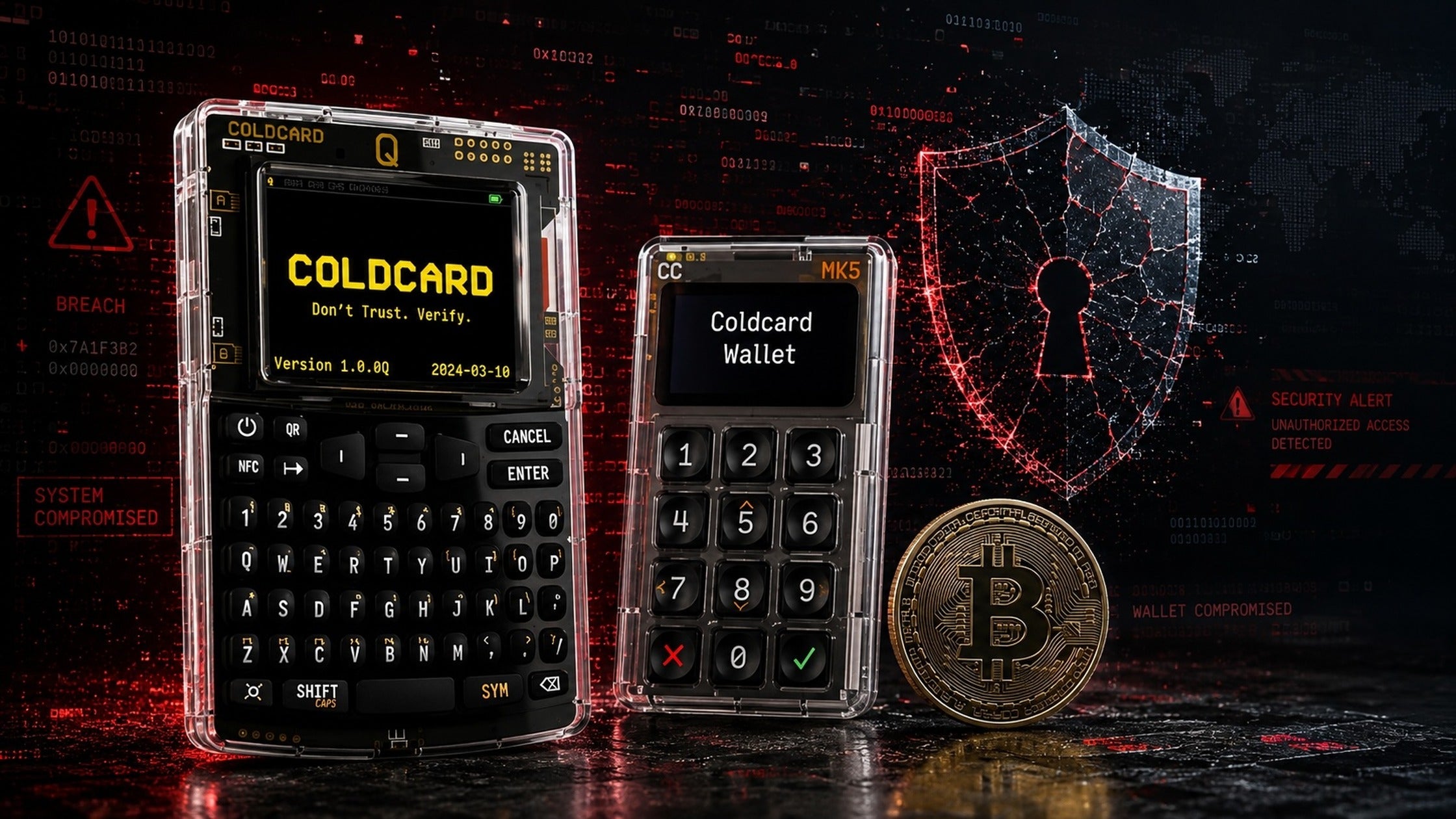
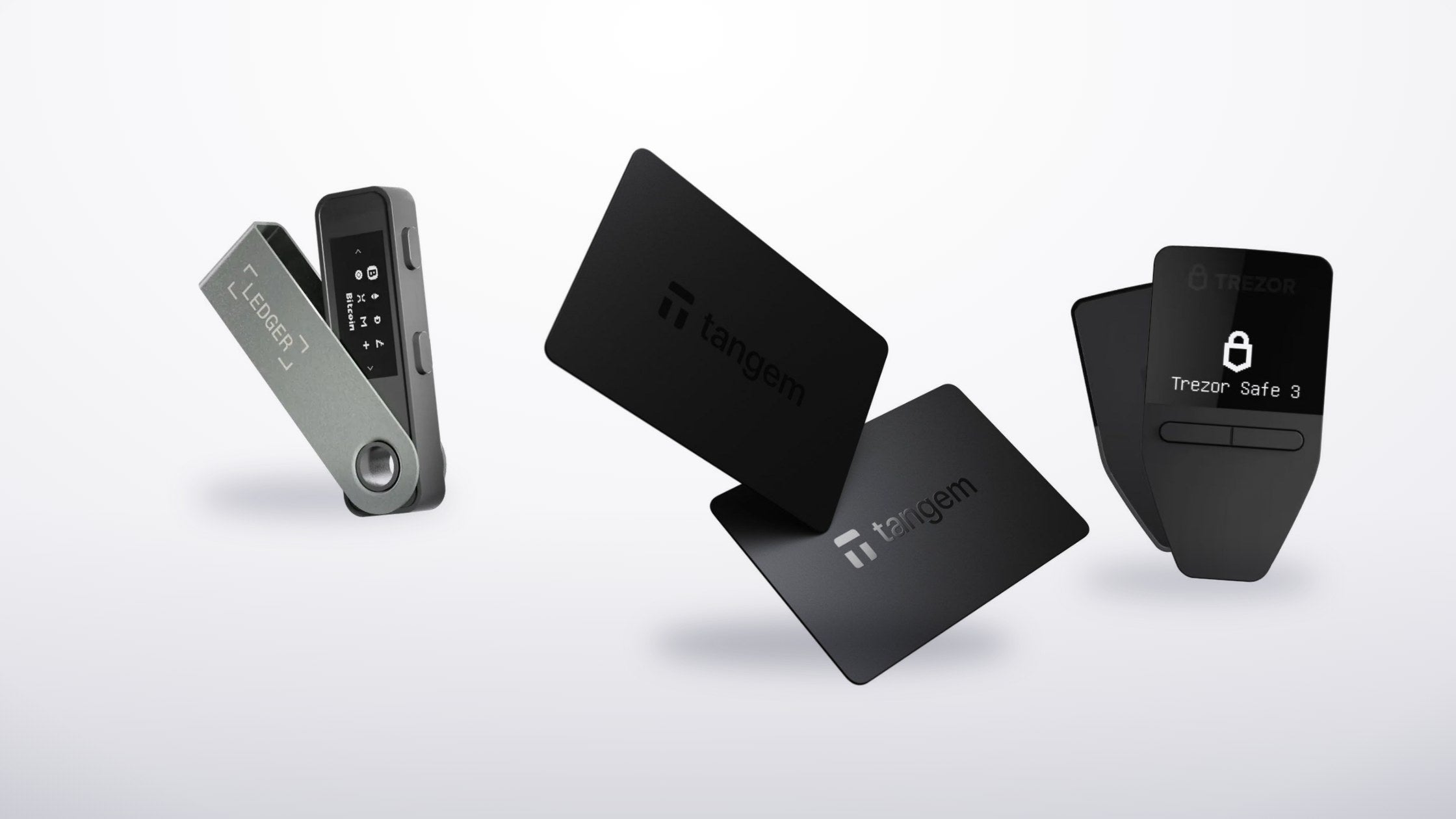
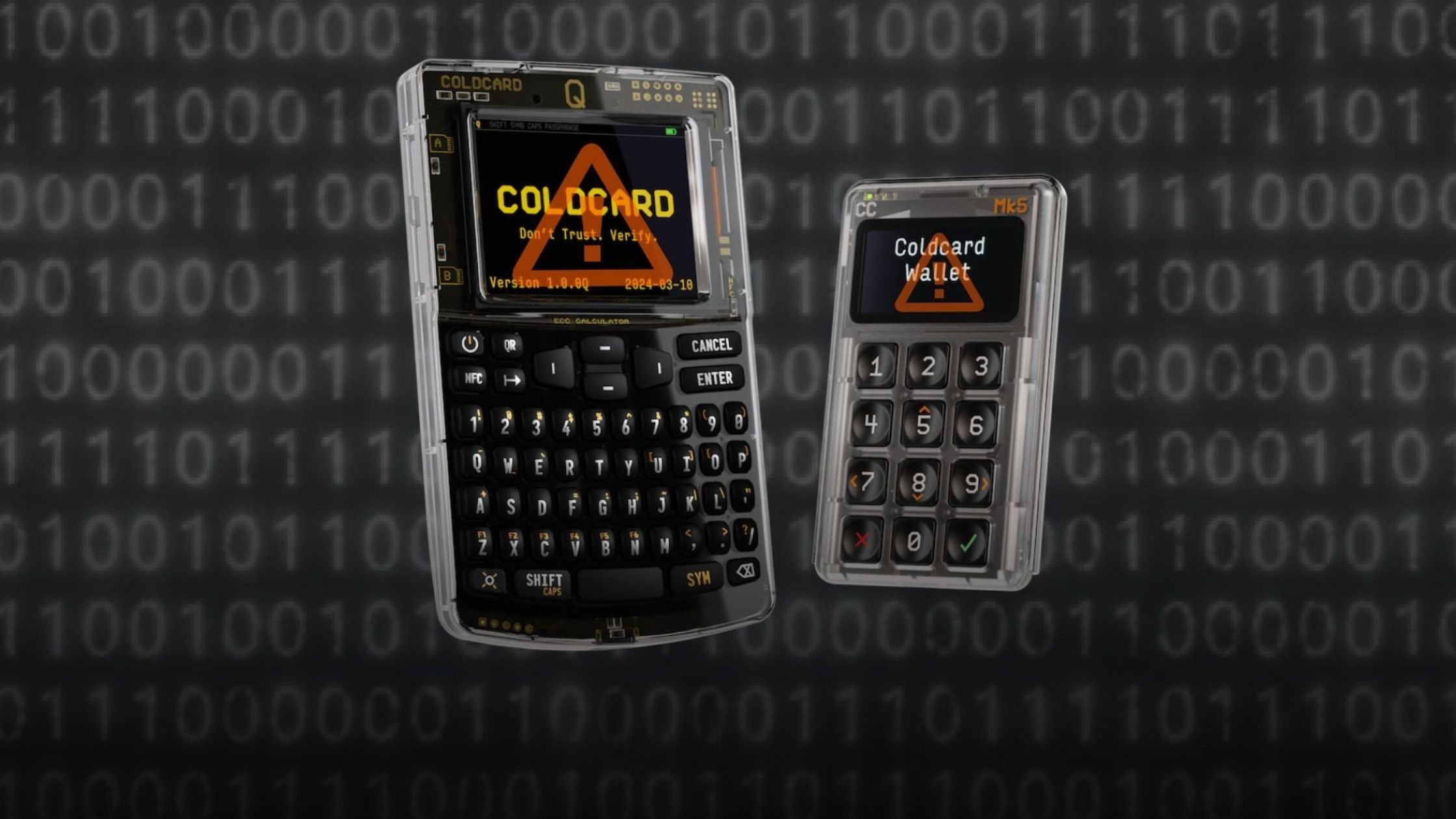
In the years after that incident, new companies began designing and manufacturing Bitcoin wallets in hardware form — Ledger in France, and TREZOR in what was then Czechoslovakia. At a glance they look much like an ordinary USB stick or flash drive, but they store digital currency far more securely than a website or a computer can. The Bitcoin wallets that have become most popular with crypto owners worldwide are the Ledger Nano S, Ledger Blue, Trezor and KeepKey — and in the age of fintech and eCommerce, that matters a great deal.
Share:
How Bitcoin and blockchain relate to each other