


Thailand has moved from discussing domestic crypto ETFs to putting a rulebook in place. From 16 October 2026, asset managers can build exchange-traded funds offering regulated price exposure to Bitcoin or Ethereum, subject to custody, disclosure and investor-protection requirements set by the Thai SEC.
Key points
- The Thai SEC has issued 11 notifications supporting locally established crypto ETFs.
- Bitcoin and Ethereum are the only eligible assets in the initial phase.
- Funds must follow a passive strategy and maintain average crypto net exposure of at least 80% of NAV.
- Underlying assets must be held by a digital-asset custodian supervised by the Thai SEC.
- Units will trade on the stock exchange, and brokers may not extend margin loans for purchases.
- The rules taking effect does not mean an ETF will begin trading on the same day.
A domestic route into crypto price exposure
Until now, Thai investors seeking fund-based crypto exposure generally had to look offshore, while those wanting direct ownership used a licensed digital-asset platform and arranged custody themselves. The new framework creates a third route: a Thai mutual fund listed and traded as an ETF in the local securities market.
The SEC consulted on the policy between April and May 2026, then on the draft notifications between August and September. Following broad support from respondents, it issued 11 related notifications, all due to take effect on 16 October 2026.
That date is the start of the regulatory framework, not a guaranteed launch date. An asset-management company still needs to build operational capability, appoint qualified service providers, prepare fund documents and obtain the relevant approvals before units can be listed.
How the first Thai crypto ETFs must work
| Area | Initial requirement |
|---|---|
| Eligible crypto | Bitcoin and Ethereum |
| Investment method | Passive management designed to track the selected crypto asset |
| Minimum exposure | Average crypto net exposure of at least 80% of NAV over the accounting year |
| Custody | A Thai SEC-supervised digital-asset custodian |
| Trading venue | Listed and traded only on the stock exchange |
| Leverage | No broker margin lending for purchases of the ETF |
| Investor protection | Risk education, adequate disclosure and confirmation that the investor understands the product |
Capability comes before launch
A fund manager must demonstrate that its people, systems and external providers can support a product built around blockchain assets. That matters because digital-asset settlement and key management introduce risks that do not exist in the same form for conventional securities.
Bitcoin and Ethereum first
The SEC says eligible assets will be assessed using factors including liquidity, general acceptance, network security and investor protection. Bitcoin and Ethereum meet the initial threshold. Other assets would require a later regulatory decision rather than being added at a manager's discretion.
Regulated custody is mandatory
The underlying crypto cannot simply sit in a wallet controlled by the portfolio manager. It must be held by a licensed digital-asset custodian under Thai SEC supervision. Other qualified digital-asset operators may apply to act as fund supervisors for crypto ETFs, but they must continuously meet financial, staffing and systems requirements.
No margin loans
Although the units will trade through securities accounts, brokers cannot lend customers money to buy them. The restriction is designed to prevent leverage from magnifying losses in an already volatile asset class and mirrors Thailand's prohibition on lending to buy crypto through digital-asset businesses.
What retail investors gain
The strongest appeal is operational simplicity. Investors can trade through a familiar brokerage account without creating a wallet, recording a recovery phrase or moving assets onchain. The structure also separates the responsibilities of the fund manager, fund supervisor and custodian within a regulated market.
That convenience does not neutralise market risk. If Bitcoin or Ethereum falls, the ETF's value will fall with it. Returns may also diverge from the underlying asset because of management fees, operating costs, liquidity conditions and tracking difference.
Important distinction: an ETF holder owns fund units, not Bitcoin or Ethereum on a blockchain. The investor cannot withdraw coins, use DeFi, transfer assets to another wallet or control the private keys held within the fund structure.
ETF exposure versus direct ownership
| Question | Crypto ETF | Direct ownership |
|---|---|---|
| What do you own? | Units in a regulated fund | Crypto recorded to an address onchain |
| Who controls the keys? | The fund's custody structure | The wallet owner or exchange |
| Trading hours | Stock-exchange hours | Crypto markets operate around the clock |
| Can the asset be used onchain? | No | Yes, subject to network support |
| Primary responsibility | Assessing the fund, fees and tracking | Securing the wallet, backup and transactions |
Neither route is automatically superior. An ETF may suit an investor who wants price exposure inside a conventional portfolio. Direct ownership may suit someone who wants transferable assets, onchain utility and control over custody. The two approaches solve different problems and carry different forms of risk.
For direct holders, custody still matters
The ETF framework does not change the fundamentals of self-custody. Anyone who buys Bitcoin or Ethereum directly can reduce reliance on an exchange by keeping private keys in a hardware wallet. That choice transfers responsibility to the owner: the recovery phrase must remain offline, receiving addresses must be checked on the device, and recovery information must never be shared.
Hardware wallets for direct crypto ownership

Tangem
฿2,590
- Three NFC cards for use and backup
- Works with iPhone and Android
- Phone-first setup without cables
This button selects Black. White is available on the product page.

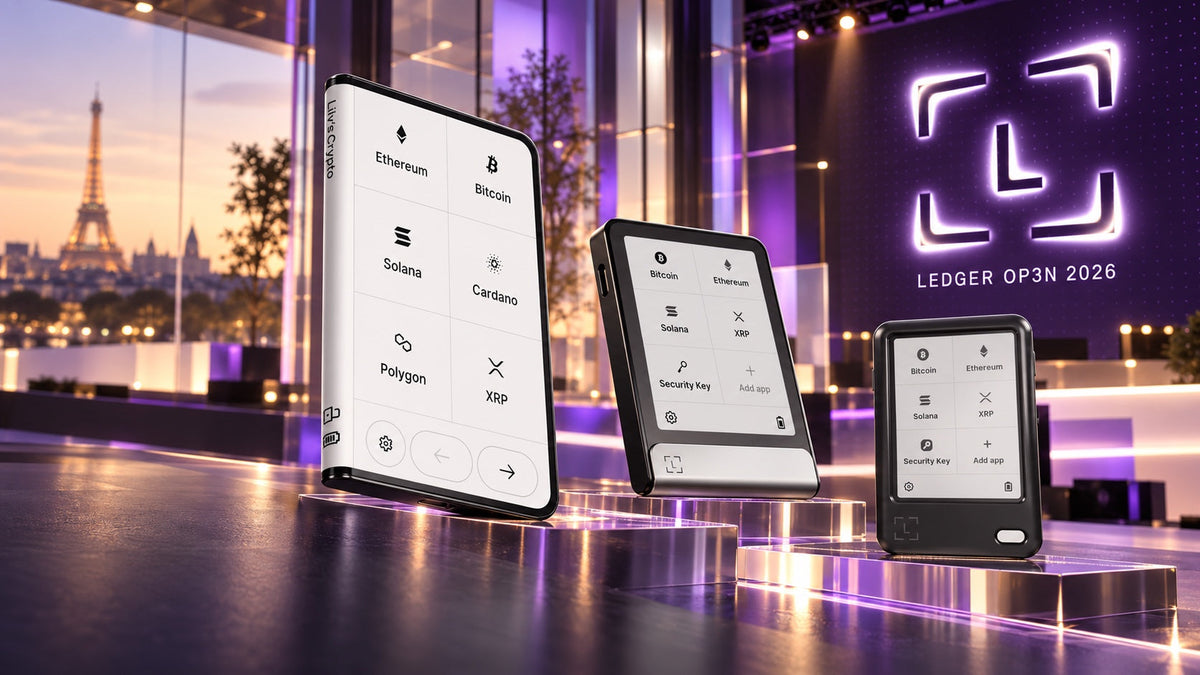
Ledger
From ฿8,384
- Clear E Ink touchscreen
- USB-C, Bluetooth and NFC
- Designed for frequent transaction review
This button selects BTC Orange. Other colours are available on the product page.

OneKey
฿8,590
- 3.5-inch colour touchscreen
- Four secure elements and fingerprint reader
- Multiple signing connections
This button selects Black. White is available on the product page.

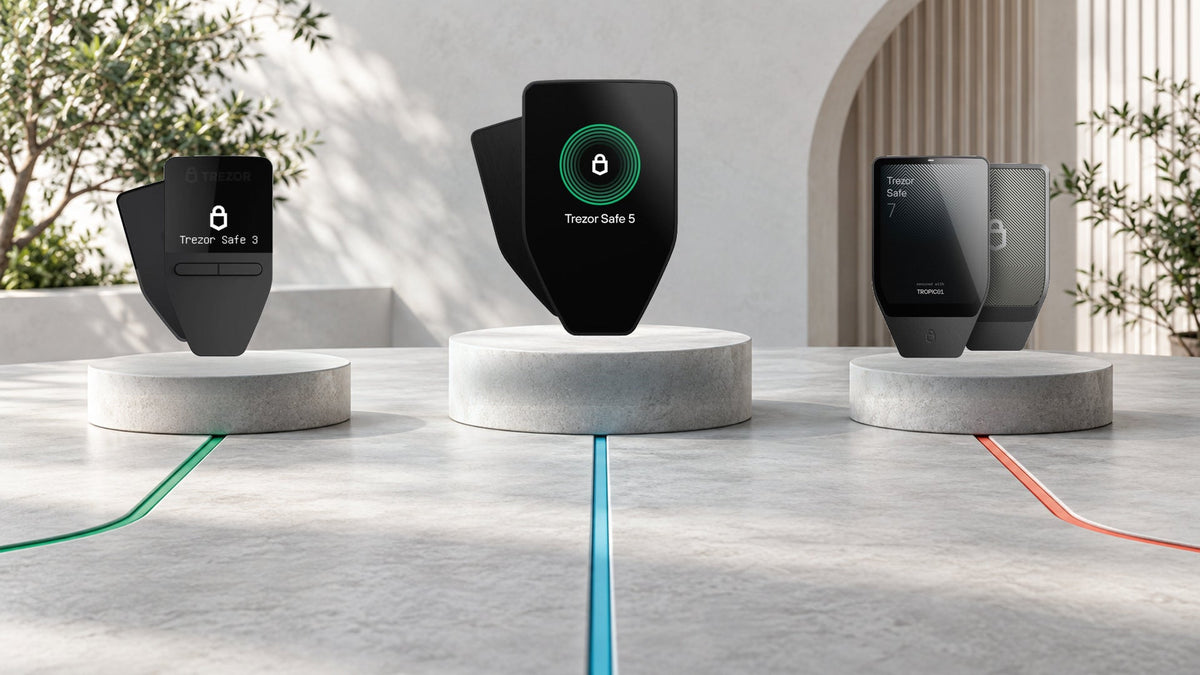
Trezor
฿7,490
- Open-source security architecture
- EAL6+ secure element
- Colour touchscreen with haptic feedback
This button selects Black Graphite. Other colours are available on the product page.
What to watch before the first listing
- The first issuer: which asset manager files first, and which benchmark or pricing source it selects.
- Total cost: management and operating expenses will shape long-term tracking difference.
- Liquidity: trading volume and market-making will determine bid-ask spreads.
- Custody disclosures: investors should identify the custodian and understand asset-segregation controls.
- Launch timing: 16 October is the effective date of the rules, not a promise that products will trade immediately.
Frequently asked questions
Will a Thai crypto ETF begin trading on 16 October 2026?
Not necessarily. The rules take effect on that date, but each fund must still complete its establishment, approval and listing process.
Which assets can the first funds hold?
Bitcoin and Ethereum. Any expansion would require a further SEC determination.
Can investors redeem units for Bitcoin?
The announced retail framework provides investment exposure through fund units. Investors do not hold the underlying private keys or withdraw coins to a personal wallet.
Does regulation make the product low risk?
No. Regulation establishes responsibilities and disclosure standards, but it does not remove crypto price volatility, liquidity risk, fees or tracking error.
Can investors use margin?
No. Securities firms are prohibited from providing margin loans for crypto ETF purchases.
The bottom line
Thailand now has a formal path for Bitcoin and Ethereum exposure inside its domestic capital market. The important development is not simply that another crypto product may appear, but that the responsibilities of asset managers, custodians and fund supervisors are being defined before launch.
Investors should wait for actual fund documents, compare fees and custody arrangements, and decide whether they want regulated price exposure or direct ownership. A new wrapper can make access easier; it cannot replace a clear understanding of what is owned and which risks remain.
Information checked on 8 October 2026. This article is for general information and is not investment advice.
Share:
Does Trezor Support USDT? How to Choose the Right Network