



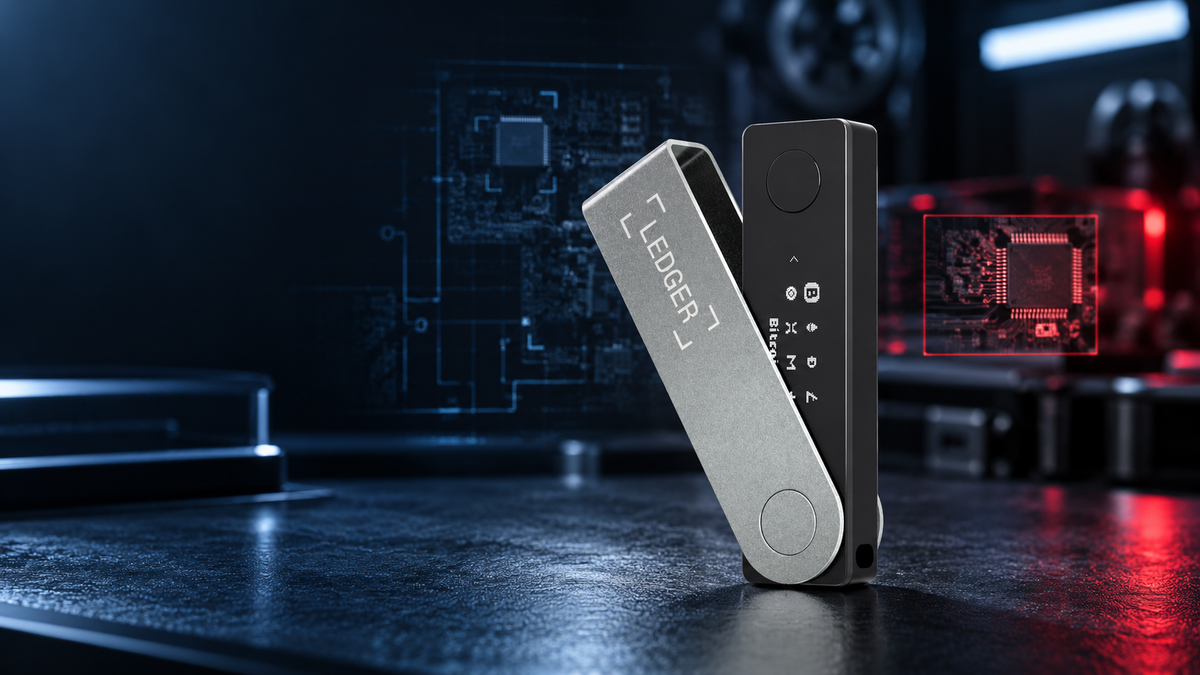
Ledger has confirmed a material development in its CryptoBilis investigation: at least one device belonging to an affected user contained an unauthorized hardware implant. The finding narrows the focus towards a supply-chain compromise involving devices sold through one Southeast Asian reseller. Ledger says it has no indication that its infrastructure, systems or services were breached.
Key points
- An unauthorized hardware implant was found inside at least one impacted device.
- The device forms part of the investigation into losses reported by CryptoBilis customers.
- Ledger has found no indication of a compromise to its own infrastructure, systems or services.
- CryptoBilis has stopped selling hardware wallets while the investigation continues.
- Products supplied by SIAMBC are not connected to the incident.
What Ledger has now confirmed
The first public warning concerned reports of missing funds from users in Southeast Asia who had purchased devices from CryptoBilis. Ledger asked the reseller to pause sales and shipments while investigators examined whether the losses involved phishing, preconfigured recovery phrases, malware or physical interference with the devices.
The latest statement moves one part of that inquiry from theory to evidence. According to Ledger, an affected user's device contained hardware that was not authorized by the manufacturer. Ledger is contacting affected customers, communicating with CryptoBilis and working with the relevant authorities.

What an unauthorized hardware implant means
A hardware implant is an electronic component added to a device outside the manufacturer's approved design. Depending on its construction, such a component could observe information, intercept a display signal or communicate captured data. Ledger has not yet released a complete technical report, so claims about the implant's precise operation should be treated cautiously until forensic findings are published.
The discovery also illustrates why cryptographic authenticity and supply-chain integrity are separate questions. A device may still contain a genuine Secure Element even if another component has been added later. Software checks remain valuable, but they work best alongside trusted sourcing, physical inspection and a clean setup performed by the owner.
A modified device is not the same as a breach of every Ledger. The confirmed evidence concerns at least one device in the CryptoBilis investigation. Ledger says it has no indication that its infrastructure, systems or services were compromised.
Does this affect every Ledger device?
No available evidence supports that conclusion. Ledger's notices focus on users who bought through CryptoBilis in Southeast Asia. The company has not published a complete list of affected serial numbers, models or purchase dates, and the total number of modified devices remains under investigation.
Large loss figures circulating in reports are based on blockchain tracing. They can change as analysts identify additional addresses, remove overlaps and connect individual victim reports. A transfer reaching a flagged address does not by itself prove that the originating wallet contained an implant.
| Question | Current position |
|---|---|
| Has an implant been found? | Yes, in at least one impacted user's device. |
| Were Ledger's systems breached? | Ledger says there is no indication that they were. |
| Which seller is involved? | The current investigation centres on CryptoBilis. |
| Is CryptoBilis still selling wallets? | It has ceased hardware-wallet sales during the investigation. |
| Is SIAMBC implicated? | No. SIAMBC inventory is not connected to this incident. |
What CryptoBilis customers should do
- Device not initialized: do not begin setup. Contact Ledger through its official support website.
- Initialized but never funded: stop using the device and do not restore its recovery phrase elsewhere.
- Initialized and funded: consider moving assets to addresses generated from a completely new recovery phrase on a device with verified provenance.
- Unknown outgoing transaction: protect any remaining assets, retain transaction IDs, photographs and purchase records, then contact official support and the appropriate authorities.
Replacing the hardware while restoring the same recovery phrase is not a clean migration. If that phrase was captured, the old wallet remains accessible to the attacker. A new recovery phrase and new receiving addresses are required.
What this means for SIAMBC customers
SIAMBC products are not connected to CryptoBilis
SIAMBC does not source Ledger devices through CryptoBilis, and no SIAMBC-supplied unit has been named in Ledger's notices concerning this event. Products are supplied through a traceable channel and are not opened, initialized or modified before delivery.
The customer chooses the PIN and generates a new recovery phrase on the device during setup. SIAMBC support will never ask for a recovery phrase, PIN or private key.
A safer first-time Ledger setup
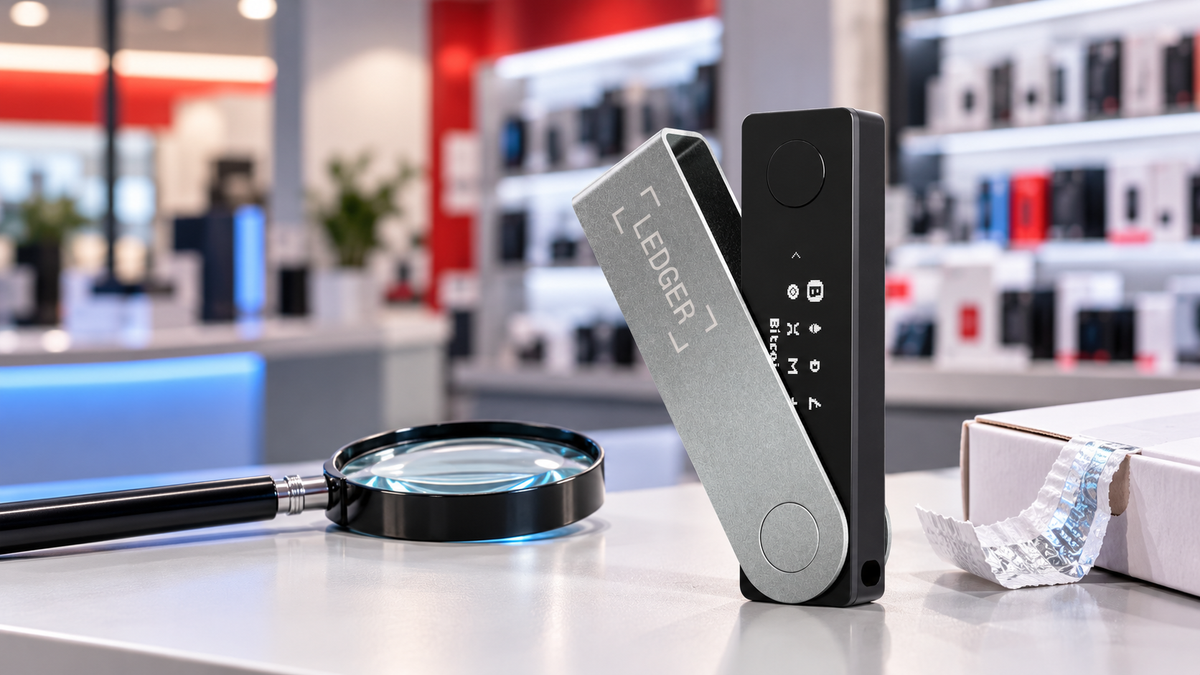
- Inspect the packaging, enclosure, USB port and seams before powering on the device.
- Install Ledger Wallet only through Ledger's official website or a verified app-store listing.
- Complete Genuine Check before transferring assets.
- Create the PIN and recovery phrase yourself on the device.
- Never use words supplied on a printed card, found inside the box or sent by a seller.
- Begin with a small test transfer and verify every address on the hardware screen.
Frequently asked questions
Was Ledger itself hacked?
The confirmed finding is an unauthorized implant in at least one device linked to the CryptoBilis investigation. Ledger says there is no indication that its infrastructure, systems or services were breached.
Is Genuine Check enough?
It is an important cryptographic check, but it should be combined with trustworthy sourcing, physical inspection and a recovery phrase generated by the owner during setup.
Which Ledger models are affected?
Ledger has not published a complete model or serial-number list. It would be premature to treat every model as affected while the forensic investigation remains open.
Will Ledger or SIAMBC ask for the recovery phrase?
No. A request for the recovery phrase is a scam signal. Never enter it into a website, phone, computer, support form or chat.
Conclusion
The hardware-implant confirmation is serious, but its scope matters. It establishes physical tampering in at least one device; it does not establish a universal Ledger vulnerability. CryptoBilis customers should follow Ledger's precautions, while SIAMBC customers can continue using their devices with the standard security checks described above.
Written by Bank · Updated 12 October 2026
Share:
Does Trezor Support XRP? Compatible Models and Destination Tags
Suspicious Ledger Device Reported at MediaMarkt: What Buyers Should Know