

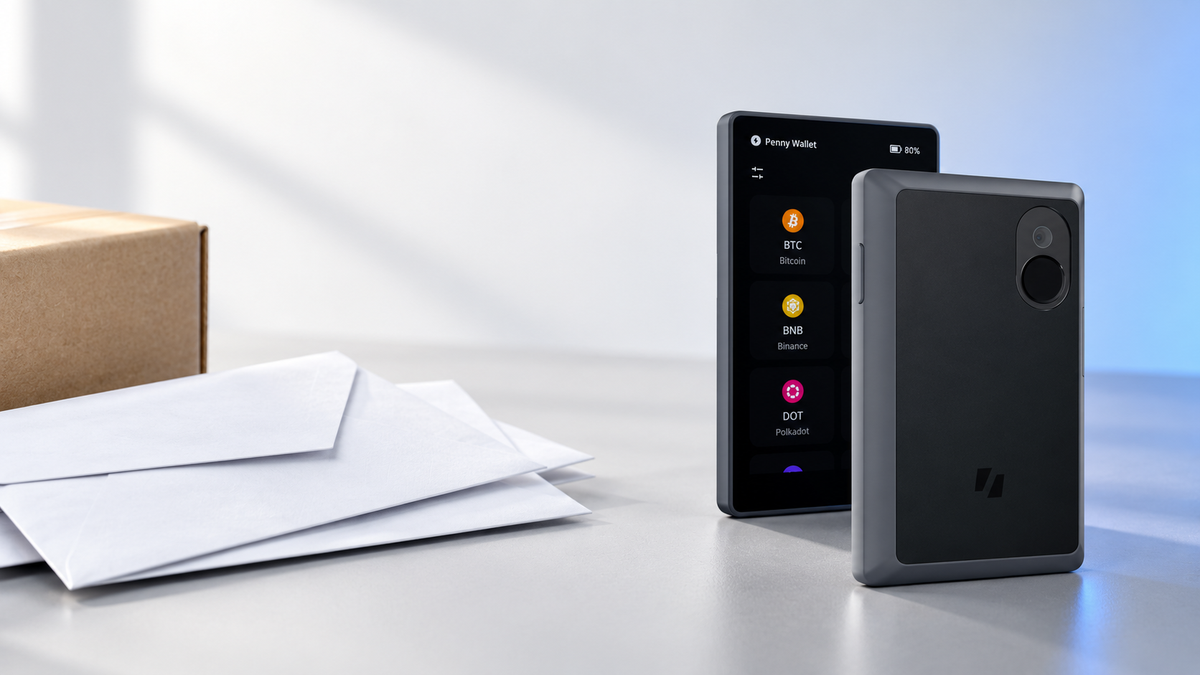
A scammer does not need your private key to make a convincing first approach. Knowing what you bought and where it was delivered can be enough to sound like customer support. That is the practical concern after Keystone disclosed a website incident: protect the recovery information while treating unusually well-informed messages with caution.
Quick take
- Keystone says it detected unauthorized website access on October 20 and confirmed customer-data exposure on October 23, 2026.
- The disclosed categories include names, contact details, shipping addresses and purchase records.
- The company says payment details, recovery phrases, private keys and wallet passwords were not exposed in this incident; that is its statement, not an independent SIAMBC audit.
- Unexpected refunds, replacements or order-repair messages deserve independent verification.
The incident, without the speculation
Keystone’s October 24 disclosure describes unauthorized access to its official website. It dates detection to October 20 and confirmation that a third party obtained customer shipping information to October 23.
The company says it blocked access, fixed the vulnerability, started an investigation and began emailing affected customers. Crypto Briefing’s report also notes that a fuller account is expected. Do not turn the absence of that report into an assumed victim count or a definitive explanation of the attack.
Purchase records and wallet credentials are different
| Category | Company’s disclosed position |
|---|---|
| Identity and delivery | Names, contact information and shipping addresses exposed. |
| Orders | Purchase details, including items and prices, exposed. |
| Payments | Card and bank details not exposed, according to Keystone. |
| Wallet secrets | Recovery phrases, private keys and wallet passwords not exposed, according to Keystone. |
These are the categories in the statement reported by Bitcoin.com. They do not establish that every Keystone owner appears in the records, or certify every device against every possible risk.
Why a shipping-data breach still matters
A purchase database answers questions such as who ordered a device and where to send it. Wallet signing uses private keys. Keystone’s security guidance treats the recovery phrase as the user’s responsibility and recommends an offline backup.
The danger can arise between those layers. Someone recites a genuine product and delivery address, gains your confidence, then asks for a completely different kind of information. Accurate order details establish knowledge of an order; they do not establish the caller’s identity.
The convincing part may be true; the request may not be
Keystone warns about impersonators offering refunds, replacement devices or fixes to orders and addresses. Consider these illustrative scenarios, not confirmed reports about particular SIAMBC customers:
- A refund is made conditional on “validating” recovery words.
- An unsolicited replacement arrives with instructions to restore your wallet on it.
- A caller insists you transfer assets to a new “safe” wallet immediately.
- A supposed support worker requests remote access to inspect your setup.
The useful question is not whether the message looks polished. It is whether you can verify the sender and whether the requested action makes sense. The FTC’s phishing guidance recommends reaching a company through a known route rather than contact details supplied in a suspicious message.
A practical response for buyers
- Keep purchase evidence private. Use it to ask about your order; do not publish receipts, labels or addresses.
- Start a fresh contact yourself. Type keyst.one or use a trusted bookmark instead of following an unexpected link.
- Ask about your own records. A plausible email is not sufficient authentication, and no email is not proof that your data was excluded.
- Do not restore onto an unsolicited device. Verify any replacement arrangement before using it.
- Review your email account. Use a unique password, enable multi-factor authentication and investigate unfamiliar sign-ins.
Keystone’s website lists support@keyst.one for support. An inquiry should never include recovery words, private keys or photographs of them.
Does buying through a reseller change the answer?
That depends on the transaction’s data flow, not simply the logo on the device. A manufacturer’s exposed customer records should not automatically be assumed to include every reseller order. Equally, a reseller receipt is not enough to prove that no information reached the manufacturer or a fulfillment partner.
SIAMBC customers can use their established contact channel to ask about an order, without sending wallet recovery information. This article is not a customer-database audit or a blanket assurance about individual records.
Questions to settle before taking action
Must I move all my crypto now?
Exposure of shipping information alone does not demonstrate exposure of your signing keys. Do not transfer assets merely because a caller tells you to. If you disclosed recovery words or see an unauthorized transaction, treat that as a separate urgent problem and seek verified assistance.
Does changing the device PIN undo the breach?
No. It cannot retract an exposed address, and it does not make disclosed recovery words secret again. Match the response to the information at risk.
How can an air-gapped wallet have a data-breach story?
An offline signing device and an online ordering system serve different functions. Protection of one does not automatically protect the other.
What if the caller knows my exact order?
End the contact and verify independently. Knowledge of an order is not permission to ask for your wallet secrets. A delivery or refund inquiry does not require a recovery phrase.
Sources and related reporting
- Keystone: official incident statement
- Crypto Briefing · Bitcoin.com · The Defiant
- Keystone Security Practices
- FTC: Recognizing and avoiding phishing
Information checked October 25, 2026. This account relies on the company’s disclosure and available reporting, not an independent forensic examination. Further findings may change the assessment.

Share:
PHP2Shell Explained: Who Is at Risk and What Website Owners Should Do
What Is YubiKey 5.8? New Features, Firmware Limits and Whether You Need It