

Written in September 2019, when bx.in.th announced its closure. Of the wallets recommended below, KeepKey and the Digital Bitbox have since been discontinued by their manufacturers. The article is kept as written.
This is news nobody expected to see, myself included.
A lot of people will be bewildered and unsure what to do next — where to keep their digital assets, and where else they can trade. Here are the answers.
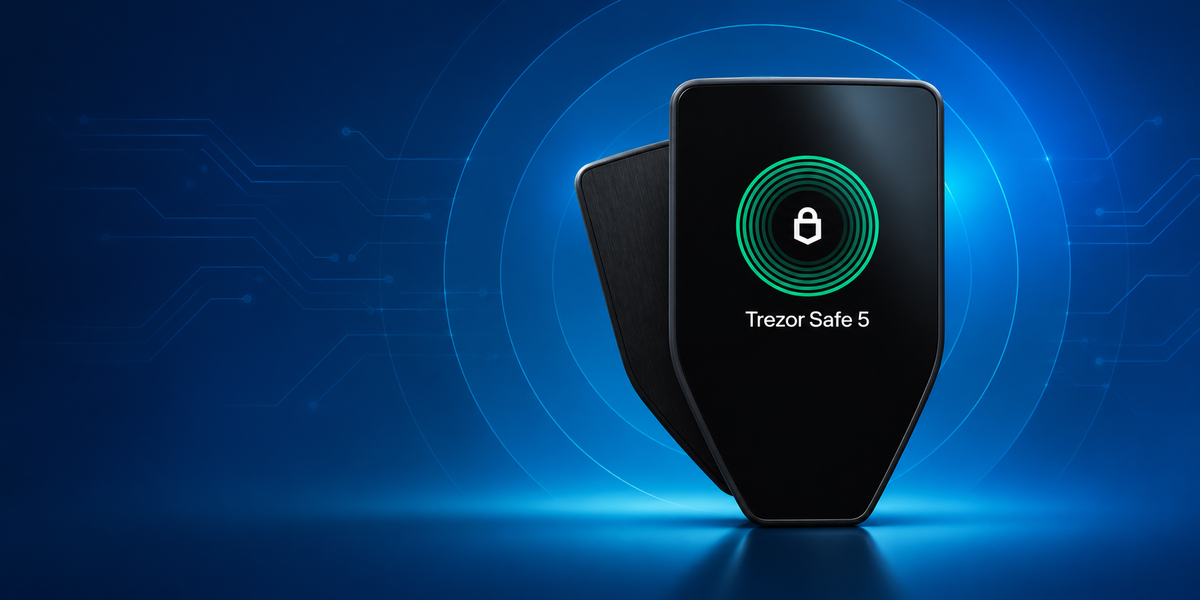
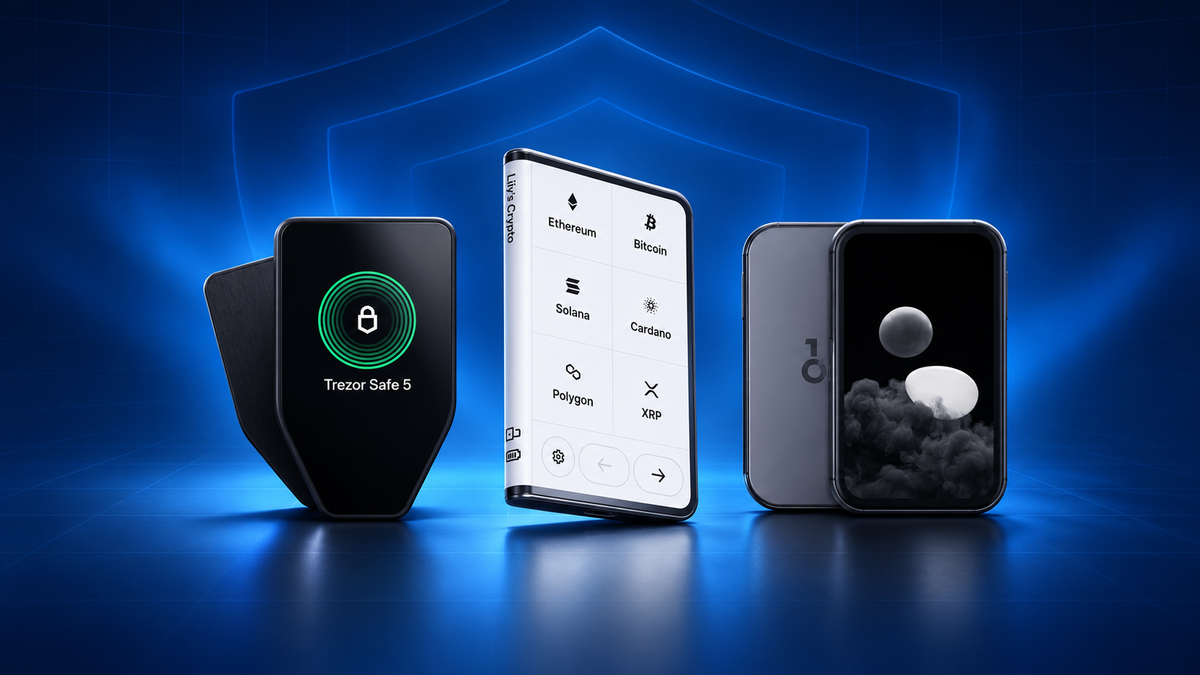
- For storing digital assets, we naturally recommend a hardware wallet: a Ledger, Trezor, KeepKey or Digital Bitbox. They are highly secure, and the funds kept on them are definitively yours. Whichever site closes, collapses, or is ordered shut by a government, nobody can take those funds away from you.
- Using a phone app is possible too, but we do not recommend it, because the security is lower than a hardware wallet — our phones are connected to the internet, which creates the opportunity to be hacked online.
For anyone wanting to trade peer to peer, I recommend Bitkub. You can register today.
If you have further questions you can reach us at order@siambc.com.

Share:
What is IoT? A simple explanation
What is IoT? A rough guide to the Internet of Things