

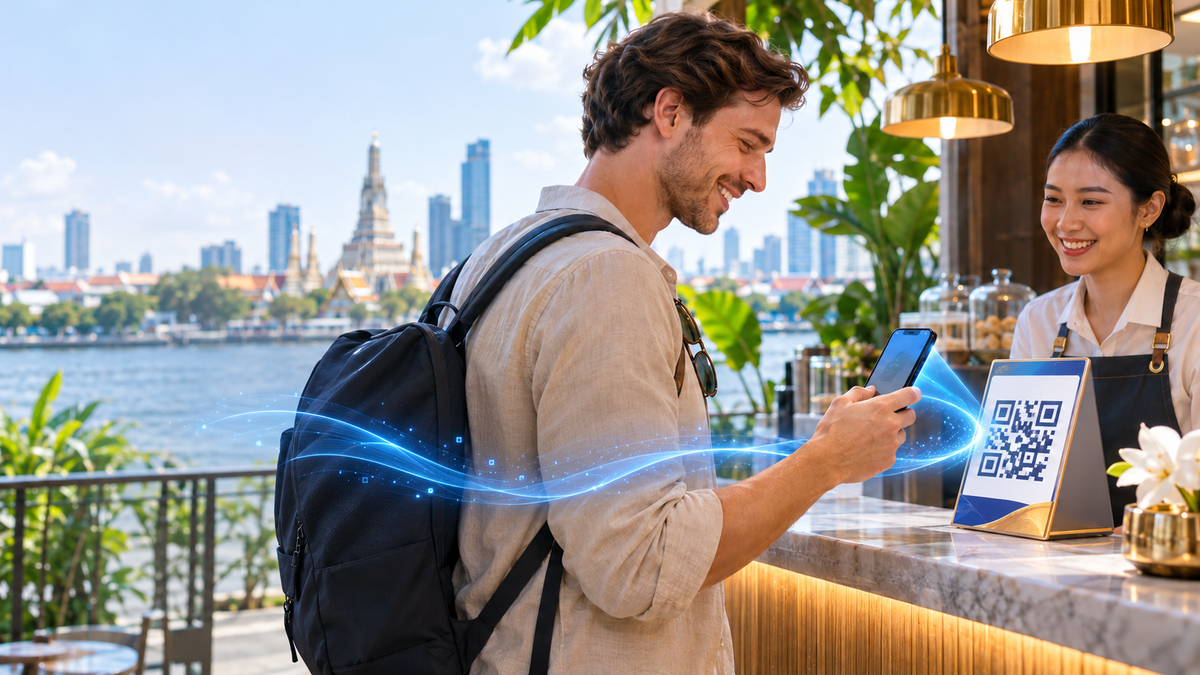
Foreign visitors can now turn USDT or USDC into Thai baht and pay local merchants by scanning Thai QR codes through WORPT, without opening a Thai bank account. The service runs under the SEC's TouristDigiPay sandbox. Merchants are not accepting crypto: the assets are converted first, and the shop receives baht through the existing payment system.
Key takeaways
- WORPT lets eligible tourists convert USDT and USDC on Ethereum into baht.
- The baht is credited to a tourist e-wallet that can pay Thai QR merchants.
- Shops receive baht and do not need to hold or manage digital assets.
- Applicants need an NFC passport and facial verification.
- Crypto conversion costs 1.5% including VAT, while QR payments cost THB 5 per transaction.
What WORPT is
WORPT connects digital assets with Thailand's domestic payment network. Waan Exchange, or WaanX, handles the regulated digital-asset side, while WiPay provides the e-money wallet and baht payment infrastructure.
The app operates within the TouristDigiPay regulatory sandbox. It does not make cryptocurrency legal tender, nor does it ask merchants to accept tokens. It creates a compliant conversion route from stablecoins into baht before payment reaches the shop.
The important distinction: the traveller funds the wallet with crypto, but the merchant receives baht. This is crypto-funded spending, not a direct on-chain payment at the checkout.
How crypto becomes spendable baht
Register and verify identity
Deposit USDT or USDC
Convert into baht
Scan Thai QR to pay
A traveller signs up with an NFC-enabled passport and facial verification, then transfers a supported stablecoin to the WaanX account. After conversion, baht is credited to the Wi Wallet e-money balance.
At checkout, the user scans the merchant's Thai QR code. The experience is close to the mobile payment flow used by local customers, while the merchant continues receiving baht through familiar rails.
Eligibility and supported assets
The service is intended for non-Thai individuals lawfully visiting the country for tourism. An NFC passport and successful identity checks are required.
At launch, WORPT supports USDT and USDC on Ethereum (ERC-20). Travellers must match both the token and network before transferring. Sending an unsupported asset or using the wrong network can make recovery difficult or impossible.
Fees and limits
- Crypto-to-baht or baht-to-crypto conversion: 1.5% of the assets received, including VAT.
- Thai QR payment: THB 5 per transaction.
- Maximum wallet balance: THB 100,000 per person.
- Top-ups funded by crypto sales: up to THB 100,000 per transaction and THB 500,000 per month.
- Corporate merchants: up to THB 100,000 per payment and THB 500,000 per month.
- Small or individual merchants: up to THB 1,700 per payment and THB 50,000 per month.
WORPT does not charge a crypto deposit fee, but users may still pay Ethereum network fees from the sending wallet. The quoted exchange rate and final amount should be checked before confirming.
Why the launch matters
Thailand already has a dense QR-payment network across malls, hotels, restaurants and small shops. Using that infrastructure is more practical than asking merchants to build a separate crypto acceptance system.
WORPT is targeting 200,000 users in its first year and projects THB 15 billion of spending over the 18-month trial. The real test will be whether onboarding is quick, pricing is transparent and QR acceptance works reliably enough for travellers to choose it over cards, cash and ATM withdrawals.
What travellers should know
- This is not direct crypto payment: the stablecoin is sold before the merchant is paid.
- Cash withdrawal is not available: the tourist wallet is designed for spending and approved balance-management routes.
- Some merchants are excluded: restricted categories include gold, jewellery, high-value antiques, foreign exchange, digital-asset businesses and other higher-risk sectors.
- Stablecoins still carry risk: issuer, smart-contract, blockchain and transfer errors remain relevant.
- Test before sending more: start with a small amount and never disclose a seed phrase or private key to an app, employee or support caller.
FAQ
Can Thai citizens use WORPT?
The TouristDigiPay service is designed for eligible foreign tourists temporarily staying in Thailand, not Thai citizens.
Does it support Bitcoin or Ether?
WORPT currently lists USDT and USDC on Ethereum ERC-20. Users should check the latest supported-asset list inside the app before transferring.
Must a merchant sign up to accept crypto?
No. The merchant receives baht through the QR payment system and does not hold the traveller's digital assets.
Is a Thai bank account required?
No. The tourist uses an e-money wallet after completing the required identity checks.
Can the baht balance be withdrawn from an ATM?
No. The balance is intended for supported payments or must be handled through the service's account-closing and balance-return process.
Share:
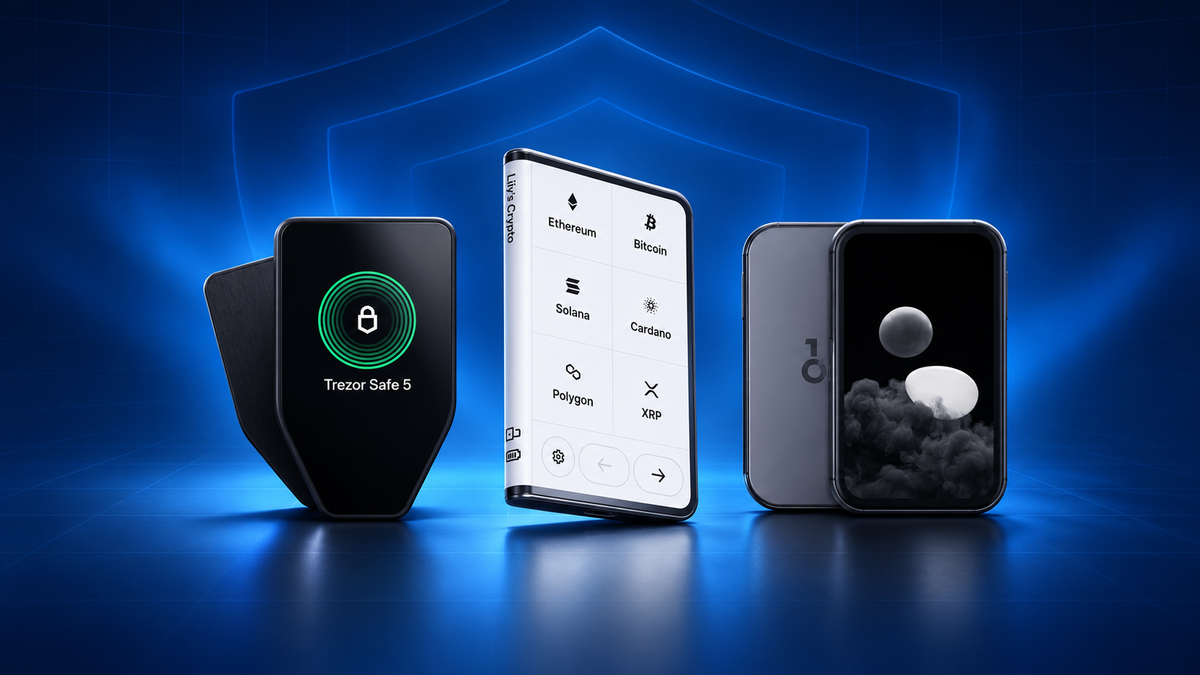
Trezor confirms three implanted Safe 5 devices and rolls out firmware defence