


A security incident at the world’s largest crypto exchange has produced two very different numbers: the amount that may have moved from Binance-controlled wallets, and the amount issuers and investigators say they have frozen. They are not interchangeable, and neither yet represents a final confirmed loss.
Quick Take
- Binance says it is investigating a major security incident and has temporarily restricted some services while the review continues.
- The exchange reported a verified frozen total of US$2.54 billion in an early update; that figure may change as tracing continues.
- Freezing tokens can prevent further movement through an issuer’s controls, but it is not the same as reversing a blockchain transaction or completing recovery.
- Users should rely only on official channels and expect phishing messages that exploit the confusion around the incident.
What is confirmed so far?
On October 29, Binance acknowledged reports of a potential security issue and said its teams were investigating. The exchange subsequently described user funds as safe and warned customers not to trust unofficial links, messages or requests for account information. Media reports also said withdrawals were temporarily suspended on multiple networks as a precaution.
Stablecoin issuers moved quickly. Tether reported freezing nearly US$1.57 billion in USDT linked to the incident, while Circle froze more than US$800 million in USDC in coordination with law enforcement. Other assets were reportedly restricted as tracing expanded.
This remains a developing incident. The entry point, the full range of affected wallets, the accounting treatment and the final recoverable amount had not been established publicly when this article was reviewed.
Why the numbers do not match
| Number being reported | What it may describe |
|---|---|
| Suspicious outflows | The estimated value of assets that analysts observed moving from wallets associated with Binance. |
| Frozen assets | Tokens that issuers, exchanges or other parties say they have restricted from further use. |
| Confirmed loss | The amount ultimately recognized as unrecovered after ownership, liabilities and recovery actions are reconciled. |
Binance said the verified frozen amount had reached US$2.54 billion in one of its early updates and could increase. At the same time, outside estimates of suspicious outflows varied widely. Treating the largest observed outflow as a final loss, or treating every frozen token as fully recovered cash, would both be premature.
What “frozen assets” actually means
USDT and USDC are centrally issued stablecoins. Their issuers can restrict specific addresses under their control frameworks. That ability is why a large part of the reported movement could be immobilized quickly.
However, a freeze does not erase the original transaction. It also does not automatically return funds to Binance or resolve questions over ownership. Recovery can still require coordination among issuers, exchanges, investigators and law enforcement.
Assets without a comparable issuer-level control may follow a different recovery path. This is one reason a single headline number cannot describe the whole incident accurately.
What users should do now
- Open Binance directly. Type the official address yourself or use the official app. Do not enter through links in emails, text messages or social posts.
- Expect impersonation. Ignore anyone offering a special withdrawal route, recovery service or account verification in exchange for passwords, one-time codes, private keys or a recovery phrase.
- Review account access. Check recent logins, withdrawal addresses and API keys. Remove anything you do not recognize and secure the email account connected to the exchange.
- Do not make rushed transfers. Verify the destination address and network independently. Fear is a common tool in phishing campaigns.
- Document any problem. Save transaction IDs, screenshots and support case numbers, then contact support only through the official site or app.
The custody lesson
An exchange is useful for trading and conversion, but assets left there depend on the exchange’s wallet controls, operations and ability to honour withdrawals. Self-custody changes that dependency; it does not remove risk.
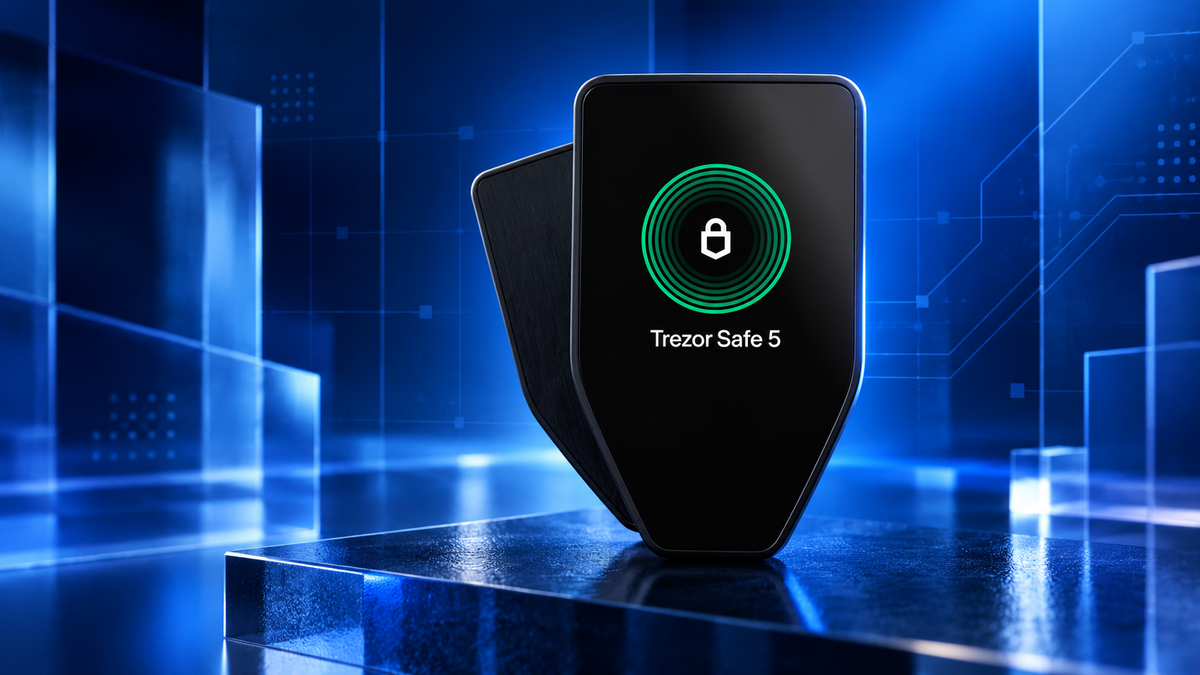
A hardware wallet can keep private keys away from an online exchange, but users must still protect their recovery phrase, verify addresses on the device screen and understand every transaction they approve. It cannot make a fraudulent contract safe or recover a backup that has been lost.
The practical decision is not “exchange or hardware wallet” in the abstract. It is how much needs to remain available for trading, how long the rest will be held, and whether the owner can operate a tested backup and recovery process without relying on anyone else.
Frequently asked questions
Was US$2.54 billion definitely stolen?
No. Binance used that figure for the verified amount frozen at a particular stage of the response. It should not be presented as the final confirmed loss.
Does frozen mean recovered?
Not yet. A freeze can stop further use of certain tokens, but legal and operational steps may still be required before assets are returned.
Are customer balances affected?
Binance says user funds are safe. Independent reports and the investigation are still developing, so customers should follow verified updates rather than assume that every open question has been resolved.
Should every user withdraw immediately?
There is no universal answer. Avoid decisions driven by unofficial messages or panic. Consider your need for exchange access, operational status and whether you have a secure, tested self-custody setup.
Sources
- Binance: initial security-incident update
- Cointelegraph via TradingView: live incident updates
- CNA and Reuters: stablecoin freezes and investigation
- Associated Press: Binance security-incident report
Reviewed October 30, 2026. This is a developing story. Figures and service availability may change. General security information only, not investment advice.


Share:
Thai Supreme Court Treats Bitcoin as Property in Koh Samui Robbery Case
Binance TH temporarily pauses crypto deposits and withdrawals, says customer assets remain safe