


Polymarket briefly paused trading on its international platform on October 29 after a security incident involving a third-party provider. Trading resumed after roughly an hour, and the company says it will fully reimburse affected traders. The incident has been contained, but the full impact has not yet been disclosed publicly.
Quick Take
- Polymarket temporarily placed its international exchange in a restricted mode while it investigated a security issue.
- The company says it identified and fixed the problem, then restored trading after about an hour.
- Polymarket has promised to reimburse affected traders in full and referred the incident to UK law enforcement.
- Reports link the incident to a compromised website-monitoring provider, but Polymarket has not publicly confirmed the provider's identity.
- Users should review recent wallet activity and avoid signing unexpected transactions or entering a recovery phrase on any website.
What happened at Polymarket?
On October 29, Polymarket temporarily paused trading on Polymarket.com, its international platform, after discovering a security incident connected to a third-party provider. The exchange moved into a restricted state while the team investigated and paused some relayer actions as a precaution.
Polymarket later said it had identified and fixed the issue. Trading resumed after approximately one hour, and the platform's status page now shows its main services as operational. The company also said it would fully reimburse traders who were affected.
The incident was referred to a law-enforcement agency in the United Kingdom. Polymarket has not yet published a full technical report, so the number of affected accounts, the exact loss and the complete attack path remain unclear.
How a third-party provider can create risk
Modern websites commonly rely on external services for analytics, performance monitoring, customer support and other functions. Code from those providers can be loaded inside a website's front end. If a provider is compromised, an attacker may be able to alter what some visitors see or interact with, even when the platform's core smart contracts are not directly exploited.
News reports have linked this incident to DebugBear, a UK-based website performance-monitoring company. DebugBear separately reported its own security incident and advised customers using its real-user monitoring product to remove the embedded code. Polymarket has not publicly named the provider, so that connection should still be treated as reported information rather than a final technical finding.
What is confirmed and what remains unclear
| Confirmed | Not yet publicly established |
|---|---|
| Trading on the international platform was paused temporarily. | The complete technical attack path. |
| Polymarket says a third-party provider was compromised. | The final number of affected users and total loss. |
| The issue was fixed and trading resumed. | Whether any core smart contract was exploited. |
| Polymarket says affected traders will be reimbursed. | The detailed reimbursement process and timing for every case. |
This distinction matters. A compromised website component, a stolen account session and a smart-contract exploit are different incidents with different consequences. Until Polymarket publishes a technical post-mortem, claims that go beyond the company's statement should be treated cautiously.
What users should check now
- Review recent wallet activity. Check transactions and token approvals made around the incident. Investigate anything you do not recognize.
- Open Polymarket directly. Type the official address yourself and check the official status page before trading.
- Do not sign an unexpected request. Read the destination, permissions and amount shown by your wallet before confirming.
- Never enter a recovery phrase on a website. A legitimate support process does not require a seed phrase, private key or one-time password.
- Contact support through official channels. Preserve transaction hashes, timestamps and screenshots if you believe you were affected.
The security lesson for self-custody
Self-custody prevents a platform from directly holding a user's private key, but it does not make every website interaction safe. A malicious front end can still present a dangerous approval or transaction for the user to sign.
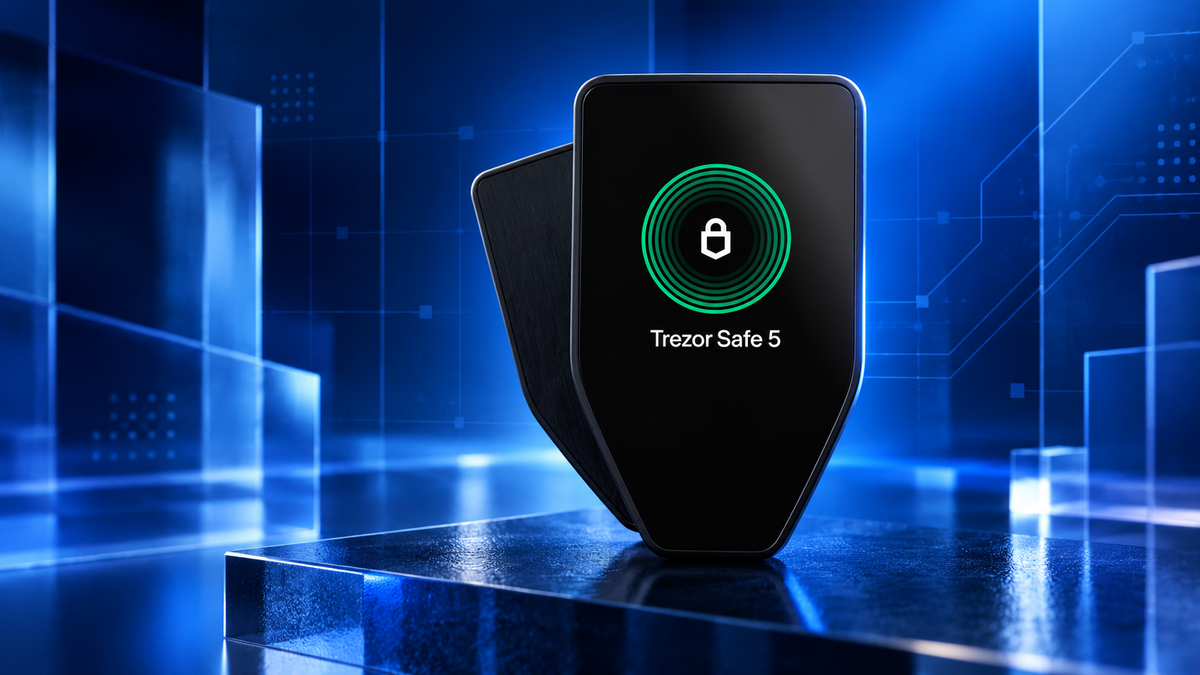
A hardware wallet can keep the key isolated and show transaction details on its own screen. That protection works only when the user checks those details carefully. Confirming an unfamiliar contract, unlimited token approval or incorrect destination can still authorize a loss.
The practical approach is layered security: use a dedicated wallet for online applications, keep long-term holdings separate, limit approvals, bookmark official sites and verify important actions on the hardware wallet screen.
Frequently asked questions
Was Polymarket hacked?
Polymarket describes the event as a security incident involving a compromised third-party provider. That is broader than saying its core smart contracts were hacked, which has not been publicly established.
Is trading available again?
Yes. Polymarket said it fixed the issue and restored trading after the temporary halt. Its status page showed the main services operational when this article was reviewed.
Were user funds lost?
Polymarket acknowledged that traders were affected and promised full reimbursement. It has not publicly disclosed the final number of users or the complete loss figure.
What should an affected user do?
Use official support channels, preserve transaction records and review wallet permissions. Do not trust unsolicited recovery offers or anyone requesting a recovery phrase or private key.
Sources
- Polymarket status page
- The Guardian and Associated Press: temporary trading halt and response
- Associated Press: third-party security incident
- Reuters via MarketScreener: trading restored and reimbursement plan
Reviewed October 30, 2026. This is a developing story. Service status and incident details may change. General security information only, not investment advice.

Share:
Binance TH temporarily pauses crypto deposits and withdrawals, says customer assets remain safe
Trezor warns CryptoBilis customers after reported Safe 5 hardware implant