

สิ่งที่สำคัญที่สุดในการซื้อขายคริปโตหรือการทำธุรกรรมในระบบ blockchain ก็คือกระเป๋าเงินคริปโต ที่จะช่วยเก็บเงินดิจิทัลไม่ให้ถูกผู้ไม่ประสงค์ดีหรือเหล่าแฮกเกอร์ขโมยไปได้
ในปี 2021 นี้เอง ว่ากันว่าเป็นช่วงที่รุ่งเรืองที่สุดของ DeFi และ NFT ซึ่งจะเปิดหน้าใหม่ของเทคโนโลยีที่จะเข้ามาให้เราสามารถทำธุรกรรมทางการเงินหรือการซื้อขายสินค้าได้บนระบบกระจายศูนย์ของ blockchain ผ่านทางแพลตฟอร์มต่างๆ ซึ่งโอกาสนี้ ก็ทำให้ผู้ใช้งานได้มีโอกาสสรรหาความมั่งคั่งทางการเงินมากขึ้น อย่างไรก็ตาม ข้อเสียของระบบดังกล่าวก็คือการไม่มีผู้ที่คอยคุมอยู่ การทำธุรกรรมใดๆ จึงต้องกระทำโดยผู้ใช้งานเท่านั้น เปิดช่องให้ผู้ไม่หวังดี สร้างกลวิธีหลายๆ รูปแบบเพื่อเข้ามาหลอกเอาเงินดิจิทัลของเราไป โดยที่เหยื่อไปเรียกร้องจากใครไม่ได้เลย
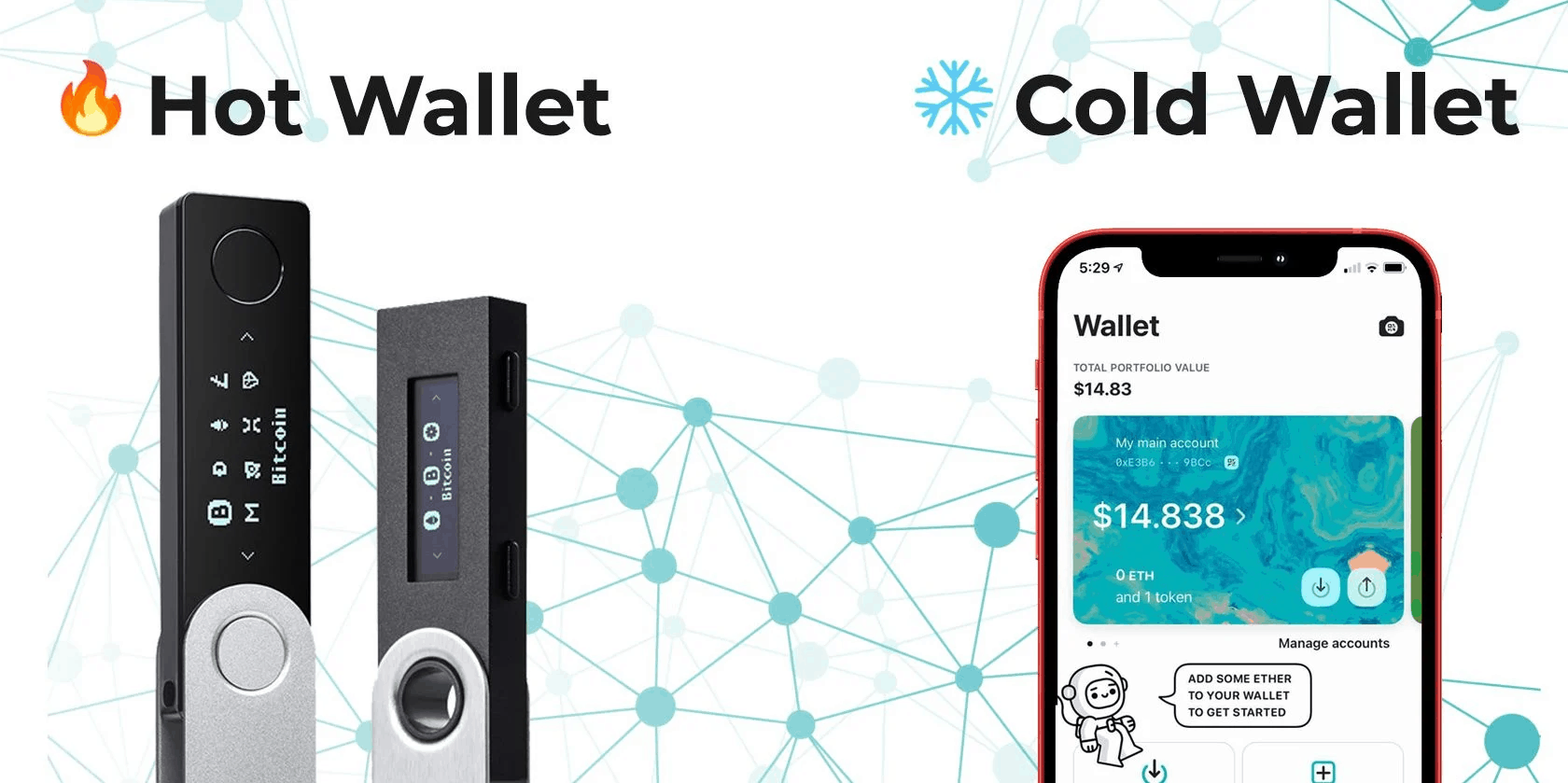
ตรงนี้เอง ที่กระเป๋าเงินคริปโต จะเข้ามาช่วยให้เราเก็บเงินติจิทัลของเราได้อย่างปลอดภัยมากขึ้น โดยกระเป๋าเงินคริปโตนั้น จะมีอยู่สองแบบด้วยกัน ก็คือ Hot wallet และ Cold Wallet

กระเป๋าเงินคริปโตแบบ Hot wallet คืออะไร?
กระเป๋าเงินคริปโตแบบ Hot wallet จะเป็นกระเป๋าที่ใช้กันอย่างแพร่หลายเพราะตั้งค่าและใช้งานได้ง่าย กระเป๋าเงินแบบนี้จะเกิดขึ้นอย่างอัตโนมัติเมื่อมีการเปิดบัญชีผู้ใช้งานกับทางกระดานเทรดสกุลเงินดิจิทัล ไม่ว่าจะผ่านทางโทรศัพท์มือถือหรือเว็บไซต์เว็บไซต์คอมพิวเตอร์ ซึ่งกระเป๋าเงินที่ใช้สำหรับการซื้อขายแลกเปลี่ยนคริปโตบนกระดานเทรดนี้ จะเรียกว่า Hot wallet หรือ Online wallet
กระเป๋าเงินประเภทนี้แม้จะใช้งานสะดวกก็จริง แต่ว่าจะมีข้อเสียในเรื่องของความปลอดภัย กระเป๋าเงินประเภทนี้จะมีความปลอดภัยน้อยที่สุดเมื่อเทียบกับกระเป๋าเงินแบบอื่นๆ เนื่องจากว่ามีการเชื่อมต่อกับอินเทอร์เน็ตโดยตรง หากแฮกเกอร์เจาะระบบของกระดานเทรดหรือรู้รหัสผ่านบัญชีผู้ใช้งาน กระเป๋าเงินก็จะถูกโยกทรัพย์สินออกไปอย่างง่ายดาย เพราะฉะนั้น กระเป๋าเงินคริปโตแบบ Hot wallet จึงเหมาะที่จะเก็บเงินดิจิทัลในจำนวนน้อยๆ เท่านั้น

กระเป๋าเงินคริปโตแบบ Cold wallet มีความปลอดภัยมากกว่า
เนื่องจากกระเป๋าเงินคริปโตแบบ Hot Wallet มีความปลอดภัยค่อนข้างต่ำ ทำให้ผู้ใช้งานถูกขโมยเงินดิจิทัลหลายครั้ง การใช้กระเป๋าเงินคริปโตแบบ Cold wallet จึงเป็นวิธีการที่ปลอดภัยที่สุดที่จะเก็บเงินคริปโต โดยจะเป็นกระเป๋าเงินแบบ Offline ใช้เชื่อมต่อกับกระเป๋าเงิน Hot wallet อีกชั้นหนึ่ง โดยผ่านการควบคุมจาก application ของมือถือหรือ software ของคอมพิวเตอร์
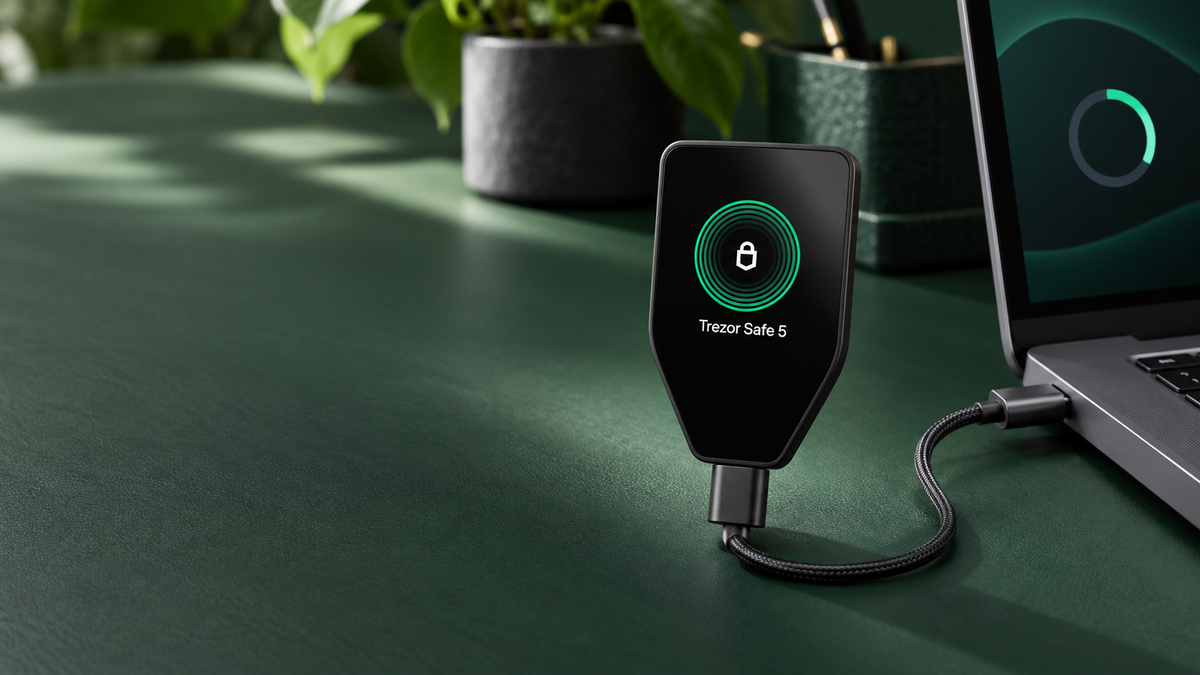
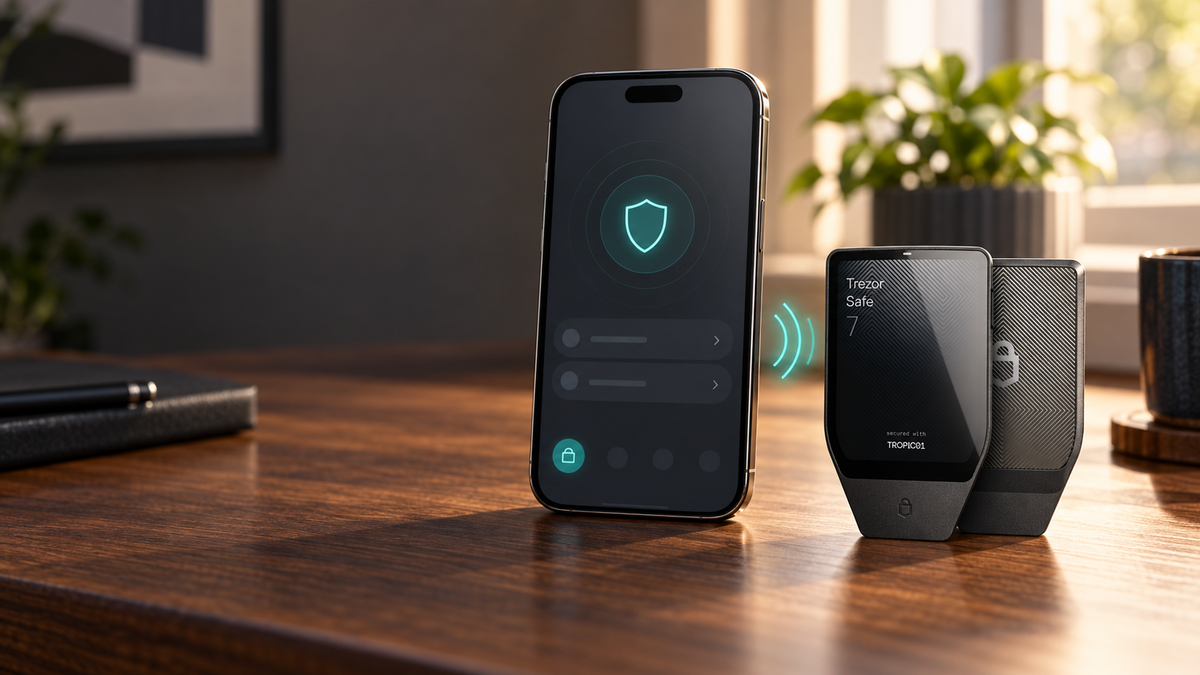
Cold wallet มีให้เลือกใช้สองแบบก็คือ Hardware wallet และ Paper wallet แต่ที่ได้รับความนิยมมากที่สุดจะเป็น Hardware wallet ที่จะมาในรูปแบบคล้ายๆ USB Drive หรือ Flashdrive เมื่อมีการทำธุรกรรมใดๆ บนเครือข่าย blockchain หรือ dApp (Decentralized Application) ก็สามารถเชื่อมต่อกระเป๋าเงิน Hot wallet และต้องกดรหัส pin (ที่ผู้ใช้งานต้องเป็นผู้ตั้งเอง) ทุกครั้งเมื่อมีการทำธุรกรรมทางการเงิน ดังนั้นจึงมีความปลอดภัยค่อนข้างสูง โดย Hardware wallet ที่ได้รับความนิยมก็จะมีหลายยี่ห้อด้วยกัน ไม่ว่าจะเป็น Ledger, Trezor, SafePal, CoolWallet หรือ D’Cent
ถ้าเปรียบให้เห็นภาพ Hot wallet จะเหมือนกับบัญชีธนาคาร ส่วน Cold wallet จะเหมือนกับตู้นิรภัยนั่นเองซึ่งจะไม่มีใครรู้รหัสผ่านนอกจากตัวเราเอง สำหรับผู้ที่ใช้งาน Defi หรือซื้อขาย NFT ใน Marketplace ด้วยนอกเหนือจากการเทรดคริปโต ก็จำเป็นที่จะต้องมีกระเป๋าเงินคริปโตแบบ Cold wallet เพื่อให้มั่นใจว่าเงินในประเป๋าเก็บคริปโตจะไม่ถูกขโมยไปได้ง่ายๆ โดยอาศัยช่องโหว่ของ Smart Contract หรือการเข้าใช้อินเตอร์เน็ต
ที่มา:
https://coinmarketcap.com/alexandria/article/hot-wallets-vs-cold-wallets-whats-the-difference
https://www.bitdegree.org/crypto/tutorials/coolwallet-s-vs-ledger-nano-s

แชร์:
DeFi ทางเลือกเส้นทางการเงินในอนาคต
เล่นเกมส์แล้วได้เงินหลักหมื่นจริงหรือ? Axie Infinity เกมส์บน blockchain ที่ทำเงินได้ไม่แพ้งานประจำ