

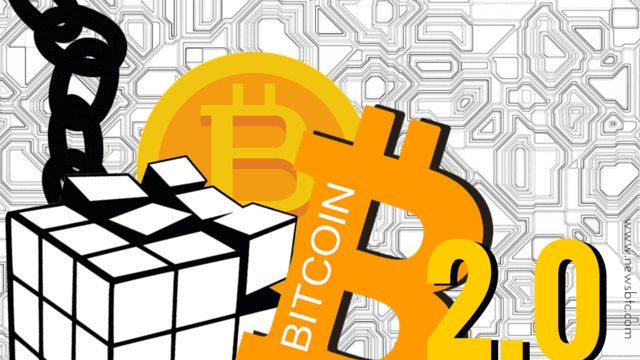
It is hard to deny how fast technology has advanced. A great deal of it has worked its way into daily life and become part of the routine — finance very much included, where the changes have been substantial, aimed at making things more convenient and more trustworthy for the people using them. And when the subject is financial technology, two things cannot go unmentioned: blockchain and Bitcoin.
Bitcoin is a form of currency exchange — a currency that exists in the digital world — where sender and recipient can transfer value through cryptography without an intermediary, or through a real-time coordinating system better known as blockchain.
Bitcoin appeared in 2008 and has grown more popular every year since, because of how efficiently it handles financial transactions. Users can send money to one another without needing to hand over credit card details, which is a large part of why it is valued for its resistance to data theft.
Blockchain also makes it easier to send Bitcoin to different recipients. Transactions are confirmed by users, and the system records the data publicly — which makes any detail of it very difficult to edit or alter after the fact.

Share:
What is a BIP, and how does a hardware wallet back up from 24 words?
On the case of a Ledger user being hacked