

สรุปสาระสำคัญ
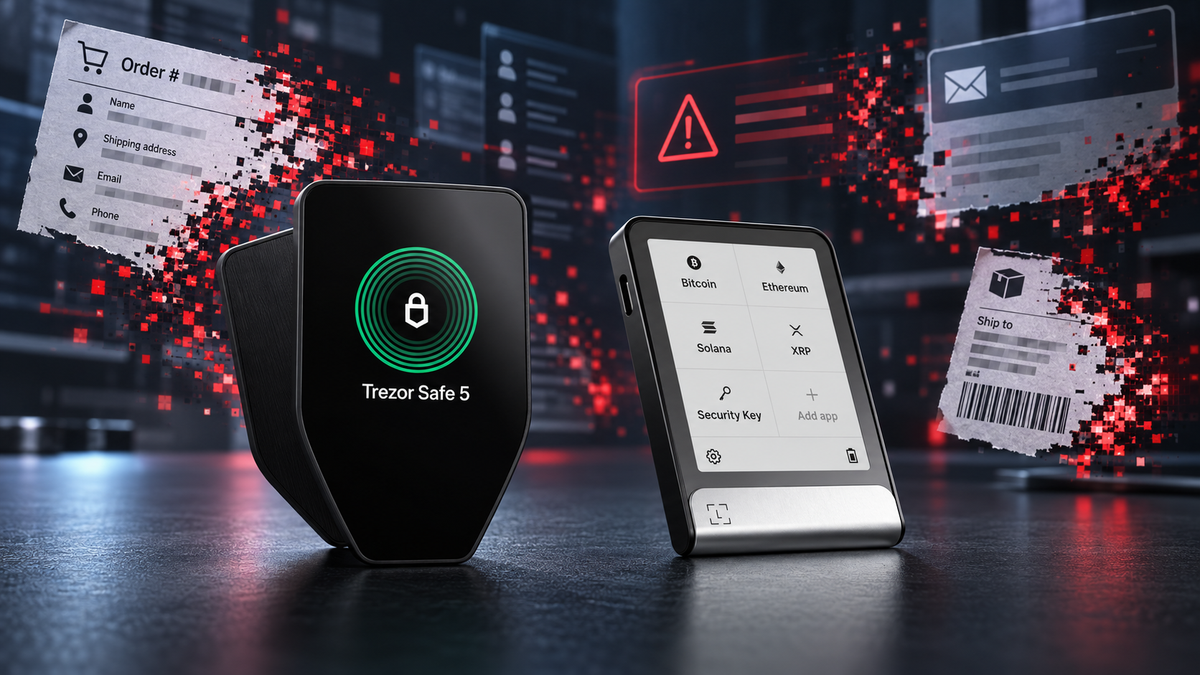
- ฮาร์ดแวร์วอลเล็ตที่ถูกดัดแปลงคือการโจมตีที่ได้ผลแม้กับคนที่ระมัดระวัง คุณอาจตั้ง PIN ที่คาดเดายาก เก็บวลีกู้คืนไว้บนแผ่นสเตนเลส และไม่เคยกดลิงก์หลอกลวงเลย แต่ก็ยังเสียทรัพย์สินทั้งหมดได้ หากอุปกรณ์ถูกแทรกแซงมาก่อนถึงมือคุณ
- สัญญาณอันตรายที่ชัดเจนที่สุดคือวลีกู้คืนที่คุณไม่ได้สร้างเอง ถ้ามีคำเขียนมาให้แล้วบนการ์ด พิมพ์อยู่ในคู่มือ หรือแนบมาในกระดาษแผ่นเล็ก แปลว่าวอลเล็ตนั้นไม่ใช่ของคุณ ให้หยุดทันที
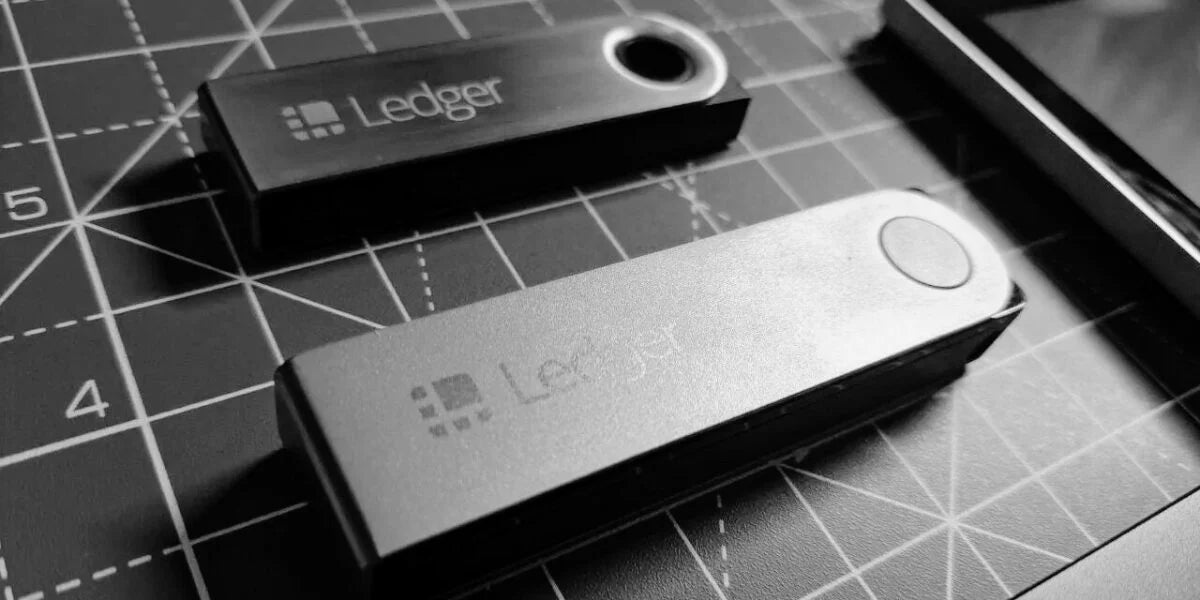
- ซีลไม่ใช่จุดตรวจสอบที่ใช้ได้กับทุกยี่ห้อ และตำแหน่งก็ไม่เหมือนกัน Ledger เลือกที่จะไม่พึ่งซีลโดยตั้งใจ ส่วน Trezor ใช้ซีล แต่ตำแหน่งไม่เหมือนกันในแต่ละรุ่น
- อุปกรณ์ Trezor ส่งออกจากโรงงานโดยไม่มีเฟิร์มแวร์ติดตั้งมา ถ้า Trezor เปิดขึ้นมาแล้วพร้อมใช้งานทันที แปลว่ามีคนทำอะไรกับมันมาก่อน
- ซื้อจากที่ไหนคือปัจจัยที่กำหนดความเสี่ยงมากที่สุด อุปกรณ์ที่ถูกดัดแปลงเกือบทุกเครื่องที่เคยมีลูกค้านำมาให้เราดู มาจากประกาศขายในมาร์เก็ตเพลสหรือผู้ขายรายย่อย ไม่ใช่จากตัวแทนจำหน่าย
คำแนะนำด้านความปลอดภัยส่วนใหญ่ตั้งอยู่บนสมมติฐานว่าผู้โจมตีจะเข้าหาคุณ ไม่ว่าจะเป็นเว็บไซต์ปลอม ข้อความจากฝ่ายซัพพอร์ตที่ไม่ใช่ฝ่ายซัพพอร์ตจริง หรือลิงก์ที่ไม่ควรกด การโจมตีเหล่านี้พบได้บ่อยแต่ยังพอรับมือได้ เพราะทั้งหมดต้องอาศัยให้คุณพลาดก่อน
แต่ฮาร์ดแวร์วอลเล็ตที่ถูกดัดแปลงไม่ต้องรอให้คุณพลาด มันแค่ต้องการให้คุณทำตามคู่มืออย่างถูกต้องเท่านั้น นี่คือเหตุผลที่การโจมตีรูปแบบนี้ควรค่าแก่การทำความเข้าใจให้ดี และเป็นคำถามที่ลูกค้าถามเราหน้าร้านบ่อยที่สุดว่า จะรู้ได้อย่างไรว่าเครื่องนี้สะอาด
ทำไมการดัดแปลงถึงเป็นการโจมตีที่ได้ผลจริง
ฮาร์ดแวร์วอลเล็ตมีหน้าที่เดียว คือสร้างความลับขึ้นมา เก็บความลับนั้นไม่ให้ออกไปอยู่บนคอมพิวเตอร์หรือโทรศัพท์ และเซ็นธุรกรรมโดยไม่ปล่อยความลับออกไป คุณสมบัติด้านความปลอดภัยอื่นทั้งหมดตามมาจากตรงนี้
การออกแบบทั้งหมดตั้งอยู่บนสมมติฐานเดียว คือความลับนั้นถูกสร้างโดยตัวอุปกรณ์ ต่อหน้าคุณ และไม่เคยมีใครอื่นเห็นมาก่อน ถ้าสมมติฐานนี้ถูกทำลาย สิ่งอื่นในตัวสินค้าก็ไม่มีความหมาย ชิปยังทำงานปกติ PIN ยังใช้ได้ หน้าจอยังแสดงที่อยู่ถูกต้อง และผู้โจมตีก็ยังถอนเงินออกไปได้ในเวลาที่เขาเลือกเอง เพราะเขามีสำเนาวลีกู้คืนของคุณตั้งแต่ก่อนคุณแกะกล่อง
ด้วยเหตุนี้อุปกรณ์ที่ถูกดัดแปลงจึงไม่ใช่แค่ปัญหาด้านความปลอดภัยทั่วไป แต่คือการสูญเสียทั้งหมดแบบเงียบ ไม่มีการแจ้งเตือน ไม่มีการล็อกอินที่ล้มเหลว ไม่มีจังหวะที่วอลเล็ตทำงานผิดปกติ เหรียญเข้าออกได้ตามปกติเป็นสัปดาห์ แล้ววันหนึ่งก็หายไป โดยมากคือหายไปพร้อมกันทั้งหมด
กลโกงที่กลับมาเรื่อยจนถึงทุกวันนี้
รูปแบบที่พบบ่อยที่สุดแทบไม่เปลี่ยนเลยตลอดหลายปี เพราะมันยังได้ผล
มีคนซื้อฮาร์ดแวร์วอลเล็ตของแท้มาเครื่องหนึ่ง สร้างวลีกู้คืนบนเครื่องนั้นแล้วจดคำเหล่านั้นเก็บไว้เอง จากนั้นบรรจุกลับลงกล่องแล้วขายต่อในสภาพเหมือนของใหม่ ผ่านมาร์เก็ตเพลส ประกาศขายทั่วไป คนรู้จักของคนรู้จัก หรือร้านที่รับของมาจากแหล่งราคาถูก ในกล่องจะมีการ์ดวลีกู้คืนที่เขียนคำไว้ให้เรียบร้อย พร้อมข้อความอธิบายว่านี่คือวลีกู้คืนของคุณ ให้เก็บรักษาไว้ให้ดี
ผู้ซื้อโอนเหรียญไปยังที่อยู่ที่เครื่องแสดงให้เห็น ที่อยู่นั้นเป็นของจริง ยอดเงินก็เป็นของจริง ส่วนผู้ขายที่ถือคำเหล่านั้นอยู่ตลอดเวลา ก็แค่รอ
อีกรูปแบบที่แนบเนียนกว่าจะไม่ใส่การ์ดที่เขียนไว้แล้ว แต่จะแนบคู่มือติดตั้งที่บอกให้คุณกรอกวลีที่ให้มาในกล่อง โดยอธิบายว่าเป็นการกู้คืนหรือเปิดใช้งานวอลเล็ต ถ้อยคำถูกเรียบเรียงให้ดูน่าเชื่อถือ แต่ผลลัพธ์เหมือนกันทุกประการ
มีกฎข้อเดียวที่เอาชนะกลโกงทุกรูปแบบข้างต้น และควรจำให้ขึ้นใจก่อนจะไปดูวิธีตรวจสอบทางกายภาพทั้งหมด
วลีกู้คืนของคุณต้องถูกสร้างโดยตัวอุปกรณ์ แสดงบนหน้าจอของอุปกรณ์เท่านั้น และจดด้วยมือคุณเอง วลีที่มาพร้อมกับสินค้าไม่ใช่วลีกู้คืน แต่คือวอลเล็ตของคนอื่น
ตรวจอะไรบ้างก่อนเปิดเครื่อง
กล่อง
ดูบรรจุภัณฑ์ก่อนแกะ สิ่งที่คุณกำลังมองหาคือร่องรอยว่ากล่องเคยถูกเปิดแล้วปิดกลับ เช่น ฝากล่องที่ฉีกหรือถูกทากาวใหม่ ซีลที่ถูกลอกแล้วกดกลับ คราบกาวตามขอบ พลาสติกหุ้มที่หลวมหรือมีรอยต่อในตำแหน่งแปลก หรือกล่องที่ถูกแปะเทปปิดซ้ำอีกรอบ
แต่ต้องเข้าใจด้วยว่าการตรวจแบบนี้บอกอะไรได้แค่ไหน บรรจุภัณฑ์เปลี่ยนใหม่ได้ ซีลทำเลียนแบบได้ ผู้โจมตีที่ตั้งใจจริงและมีกล่องเปล่าสำรองไว้ย่อมผ่านการตรวจด้วยสายตาได้ ให้ถือว่ากล่องเป็นด่านแรก ไม่ใช่คำตัดสิน
ตัวเครื่อง
ตรวจตัวเครื่องว่ามีช่องห่างตามแนวรอยต่อหรือไม่ น็อตมีรอยขูดหรือรอยหมุนหรือเปล่า มีกาวในจุดที่ไม่ควรมีไหม หรือหน้าจอนูนขึ้นมาจากตัวเครื่องผิดปกติหรือไม่ ถ้าอะไรดูไม่คุ้นตา ให้เทียบกับรูปสินค้าบนเว็บไซต์ของผู้ผลิตเอง
จากนั้นดูว่าเครื่องทำอะไรตอนเปิดขึ้นมา ฮาร์ดแวร์วอลเล็ตเครื่องใหม่ควรทำตัวเหมือนเครื่องใหม่ คือขอให้คุณตั้งค่าตั้งแต่ต้น ไม่ควรเปิดเข้าสู่วอลเล็ตที่ตั้งค่าไว้แล้ว ไม่ควรมี PIN อยู่ก่อน และไม่ควรแสดงยอดคงเหลือใดๆ
การ์ดวลีกู้คืน
การ์ดวลีกู้คืนในกล่องต้องว่างเปล่าเสมอ ไม่มีสินค้าของผู้ผลิตรายใดที่เราจำหน่ายที่ส่งมาพร้อมคำที่เขียนไว้แล้ว
ถ้ามีตัวอักษรใดอยู่บนการ์ดนั้น ไม่ว่าจะพิมพ์มา เขียนด้วยมือ อยู่บนสติกเกอร์ อยู่บนกระดาษแยก อยู่ในคู่มือ หรืออยู่ในคิวอาร์โค้ดที่บอกให้คุณสแกน แปลว่าอุปกรณ์นั้นถูกแทรกแซงแล้ว อย่าตั้งค่าใช้งาน อย่าลองโอนจำนวนน้อยเข้าไปทดสอบ และอย่าเอาไปใช้เก็บของมูลค่าน้อย
ซีลไม่เหมือนกันในแต่ละยี่ห้อ และมียี่ห้อหนึ่งที่ไม่ใช้ซีลโดยตั้งใจ
ตรงนี้คือจุดที่เช็กลิสต์ส่วนใหญ่บนอินเทอร์เน็ตอธิบายผิด เพราะมักพูดถึงซีลโฮโลแกรมราวกับว่าฮาร์ดแวร์วอลเล็ตทุกยี่ห้อมีเหมือนกันและอยู่ตำแหน่งเดียวกัน ซึ่งไม่จริง และการเข้าใจผิดแบบนี้ทำให้คนปฏิเสธเครื่องแท้ หรือยอมรับเครื่องที่ถูกดัดแปลง
Ledger
Ledger ไม่ได้พึ่งซีลกันการแกะ และนี่เป็นการตัดสินใจโดยตั้งใจ ไม่ใช่ความบกพร่อง จุดยืนของ Ledger คือซีลลักษณะนี้ให้ความมั่นใจแบบผิดๆ เพราะทำเลียนแบบได้ไม่ยาก และกล่องมักถูกเปิดแล้วปิดกลับได้โดยซีลไม่เสียหาย เทปที่ติดบนบรรจุภัณฑ์มีไว้เพื่อการแพ็กเท่านั้น
Ledger เลือกย้ายการตรวจสอบความแท้ไปไว้ในตัวอุปกรณ์แทน โดย Genuine Check ที่รันผ่านแอปของ Ledger เองคือการทดสอบเชิงรหัสวิทยากับชิป Secure Element โดยตรง เซิร์ฟเวอร์ของ Ledger จะส่งโจทย์มาให้ และชิปต้องตอบกลับด้วยลายเซ็นที่ถูกต้องเพื่อพิสูจน์ว่าเป็นชิปแท้ที่ไม่ถูกแก้ไข เครื่องที่ถูกโคลนหรือดัดแปลงจะสร้างลายเซ็นนั้นไม่ได้
ดังนั้นสำหรับ Ledger จุดตรวจที่มีความหมายจึงไม่ใช่บรรจุภัณฑ์ แต่คือการรัน Genuine Check ด้วยแอปที่ดาวน์โหลดจากเว็บไซต์ของ Ledger เองหรือจากสโตร์ทางการเท่านั้น ไม่ใช่จากลิงก์ คิวอาร์โค้ด หรือไฟล์ติดตั้งที่ผู้ขายให้มา
Trezor
Trezor ใช้ซีลโฮโลแกรม แต่ตำแหน่งขึ้นอยู่กับรุ่น และตรงนี้ทำให้หลายคนเข้าใจผิด
บน Trezor Model One จะมีซีลสองจุดอยู่บนกล่อง และไม่มีซีลปิดที่พอร์ต USB คนที่คาดว่าจะเห็นซีลตรงพอร์ตแล้วไม่เจอ อาจสรุปผิดว่าเครื่องถูกแกะมาแล้ว
ส่วน Trezor Model T ซีลจะอยู่ที่ช่องเสียบ USB-C และใช้กาวที่เหนียวเป็นพิเศษโดยตั้งใจ ลอกออกอย่างเรียบร้อยไม่ได้ การลอกจะทำให้โฮโลแกรมเสียหายและทิ้งคราบไว้ให้เห็นชัด
แต่การป้องกันที่แข็งแรงกว่าของ Trezor เป็นแนวคิดเดียวกับของ Ledger คืออุปกรณ์ Trezor ถูกส่งออกมาโดยไม่มีเฟิร์มแวร์ติดตั้งมาเลย คุณต้องติดตั้งเองตอนตั้งค่า และ bootloader จะตรวจสอบทุกครั้งที่เปิดเครื่องว่าเฟิร์มแวร์มีลายเซ็นที่ถูกต้องจาก SatoshiLabs หรือไม่ ถ้า Trezor มาถึงมือคุณในสภาพพร้อมใช้งานโดยมีเฟิร์มแวร์อยู่แล้ว นั่นกำลังบอกคุณว่ามีบางอย่างเกิดขึ้นระหว่างทางจากโรงงานมาถึงคุณ
จุดตรวจที่สำคัญกว่าการตรวจทางกายภาพทั้งหมด
บรรจุภัณฑ์ปลอมได้ ซีลหามาได้ ตัวเครื่องสลับได้ แต่สิ่งที่ปลอมไม่ได้คือความสัมพันธ์เชิงรหัสวิทยาระหว่างชิปกับผู้ผลิต และสิ่งที่ปลอมไม่ได้อีกอย่างคือวลีที่ถูกสร้างขึ้นต่อหน้าคุณ
ลำดับการตรวจที่ปกป้องคุณได้จริงจึงเป็นแบบนี้
ตรวจกล่องและตัวเครื่องหาร่องรอยที่เห็นได้ชัดก่อน จากนั้นรันการตรวจสอบความแท้ของผู้ผลิตเอง โดยใช้ซอฟต์แวร์ที่คุณไปดาวน์โหลดเองจากโดเมนของผู้ผลิต แล้วจึงตั้งค่าเครื่องใหม่ตั้งแต่ต้น ปล่อยให้เครื่องสร้างวลีกู้คืนขึ้นมาใหม่ และจดคำเหล่านั้นด้วยตัวคุณเอง ถ้าเครื่องไม่ยอมให้คุณทำขั้นตอนสุดท้ายนี้ คือมีวลีอยู่ก่อนแล้ว หรือการตั้งค่าเสร็จไปแล้ว ให้หยุดและถือว่าเครื่องถูกแทรกแซง ไม่ว่าบรรจุภัณฑ์จะดูน่าเชื่อถือแค่ไหนก็ตาม
ถ้ายังไม่มั่นใจและอุปกรณ์รองรับ ให้ล้างเครื่องแล้วเริ่มใหม่ การรีเซ็ตเป็นค่าโรงงานแล้วตั้งค่าใหม่บนเครื่องที่ผ่านการตรวจสอบความแท้ของผู้ผลิต จะทำให้คุณกลับมาอยู่ในสถานะที่ตรวจสอบได้อีกครั้ง
สองรุ่นที่เราแนะนำได้เต็มปากในแง่นี้
ทั้งสองรุ่นนี้ทำให้การตรวจสอบความแท้เป็นเรื่องง่าย ซึ่งสำคัญกว่าการเทียบสเปกใดๆ ถ้าความเสี่ยงที่คุณกังวลคือเรื่องนี้

Ledger
฿4,200
- ยืนยันความแท้ด้วย Genuine Check เชิงรหัสวิทยา ไม่ใช่ด้วยสติกเกอร์
- ชิป Secure Element และสร้างวลีกู้คืนบนตัวเครื่อง
- เชื่อมต่อผ่าน Bluetooth ใช้กับโทรศัพท์ได้เช่นเดียวกับคอมพิวเตอร์
รัน Genuine Check ในแอปของ Ledger ก่อนโอนสินทรัพย์เข้าเครื่อง

Trezor
฿9,900 ฿19,900-50%
- ซีลโฮโลแกรมปิดช่อง USB-C ที่ลอกออกอย่างเรียบร้อยไม่ได้
- ไม่มีเฟิร์มแวร์ติดตั้งมา คุณติดตั้งเอง และ bootloader ตรวจลายเซ็นให้
- หน้าจอสัมผัสสี อ่านวลีกู้คืนและที่อยู่บนตัวเครื่องได้โดยตรง
ซีลจะทิ้งคราบไว้ให้เห็นถ้าถูกลอก ซึ่งเป็นการออกแบบที่ตั้งใจ
ซื้อจากที่ไหนคือสิ่งที่กำหนดความเสี่ยงมากที่สุด
ทุกวิธีตรวจสอบข้างต้นคือการหาปัญหาหลังจากที่ปัญหาถูกใส่เข้ามาแล้ว แต่การซื้อให้ถูกทางคือการทำให้ปัญหาไม่ถูกใส่เข้ามาตั้งแต่แรก และเป็นมาตรการความปลอดภัยที่ถูกที่สุดที่คุณทำได้
ฮาร์ดแวร์วอลเล็ตไม่ใช่สินค้าที่ส่วนลดเป็นสัญญาณที่ดี เพราะกำไรต่อชิ้นบาง และราคาขายปลีกถูกกำหนดโดยผู้ผลิต เมื่อประกาศขายตั้งราคาต่ำกว่าตลาดมาก ส่วนต่างนั้นต้องถูกชดเชยด้วยอะไรบางอย่าง และบนมาร์เก็ตเพลสคุณไม่มีทางรู้เลยว่าด้วยอะไร
สิ่งที่ตัวแทนจำหน่ายอย่างเป็นทางการให้คุณได้คือเส้นทางสินค้าที่ระบุชื่อผู้รับผิดชอบได้ทุกทอด สินค้าเดินทางจากผู้ผลิตมาถึงเรา และจากเราถึงคุณ ไม่มีใครในเส้นทางนี้มีเหตุผลที่จะเปิดกล่อง และหากมีอะไรผิดพลาดขึ้นมา ก็ยังมีบริษัทให้รับผิดชอบ ไม่ใช่บัญชีผู้ขายที่ลบทิ้งได้
เราเป็นตัวแทนจำหน่ายอย่างเป็นทางการของแบรนด์ที่เราจำหน่าย ซึ่งเป็นเหตุผลเดียวที่ทำให้เราพูดถึงที่มาของสินค้าแต่ละเครื่องได้อย่างมีน้ำหนัก และเป็นเหตุผลเดียวกับที่เรายินดีให้คุณซื้อของแท้จากร้านอื่น มากกว่าซื้อของถูกจากประกาศขายบนมาร์เก็ตเพลส
ถ้าสงสัยว่าเครื่องของคุณถูกดัดแปลง
อย่าโอนสินทรัพย์เข้าเครื่องนั้น และอย่าโอนออกโดยใช้เครื่องนั้น ถ้ามีเหรียญอยู่บนวอลเล็ตที่คุณไม่ไว้ใจแล้ว วิธีที่ปลอดภัยคือตั้งค่าเครื่องใหม่คนละเครื่อง สร้างวลีกู้คืนใหม่บนเครื่องนั้น แล้วย้ายสินทรัพย์ไปยังที่อยู่ของวอลเล็ตใหม่
ให้ถือว่าวลีกู้คืนเดิมเป็นข้อมูลสาธารณะนับจากวินาทีนั้น ถ้ามีคนอื่นถือสำเนาอยู่ การเปลี่ยน PIN หรือรีเซ็ตเครื่องไม่ช่วยอะไร เพราะลำพังวลีกู้คืนก็เพียงพอที่จะสร้างวอลเล็ตนั้นขึ้นมาใหม่ได้จากที่ใดก็ได้ในโลก
ถ้าคุณซื้อจากเราแล้วพบว่ามีอะไรผิดปกติ นำเครื่องเข้ามาที่ร้านหรือทักหาเราก่อนทำอย่างอื่น เรายินดีตรวจเครื่องที่สุดท้ายแล้วไม่มีปัญหา มากกว่าจะมารู้เรื่องทีหลัง
คำถามที่พบบ่อย
กล่อง Ledger ของผมไม่มีซีลกันแกะ ของปลอมหรือเปล่า
เกือบแน่นอนว่าไม่ใช่ Ledger ไม่ได้ใช้ซีลกันแกะเป็นกลไกยืนยันความแท้โดยตั้งใจ เพราะมองว่าซีลทำเลียนแบบได้ง่ายและให้ความมั่นใจแบบผิดๆ จุดตรวจที่มีความหมายคือ Genuine Check ที่รันในแอปของ Ledger เอง ซึ่งทดสอบชิป Secure Element เชิงรหัสวิทยา
Trezor One ของผมไม่มีสติกเกอร์ปิดพอร์ต USB ต้องกังวลไหม
ไม่ต้อง Model One มีซีลสองจุดบนกล่อง และไม่มีซีลปิดพอร์ต ส่วนรุ่นที่มีซีลปิดช่อง USB-C คือ Model T การมองหาซีลผิดรุ่นเป็นสาเหตุที่พบบ่อยที่ทำให้คนคิดว่าเครื่องแท้ถูกแกะมาแล้ว
ซื้อมือสองมาแล้วรีเซ็ตเองได้ไหม
เราไม่ทำ และไม่แนะนำ การรีเซ็ตเป็นค่าโรงงานจะล้างวลีที่อยู่บนเครื่องออก และสำหรับเครื่องที่แท้และไม่ถูกดัดแปลงจริง วิธีนี้ทำให้กลับมาอยู่ในสถานะที่สะอาดได้ ปัญหาคือการรีเซ็ตบอกคุณไม่ได้ว่าตัวฮาร์ดแวร์หรือเฟิร์มแวร์ถูกแก้ไขมาก่อนถึงมือคุณหรือไม่ สำหรับการซื้อที่ความเสียหายด้านลบคือทรัพย์สินทั้งหมดบนเครื่อง ส่วนต่างที่ประหยัดได้ไม่คุ้มกับความไม่แน่นอนนี้
ผู้ขายส่งวลีกู้คืนมาให้แยกต่างหาก ไม่ได้อยู่ในกล่อง ต่างกันไหม
ไม่ต่าง เป็นการโจมตีแบบเดียวกันที่เพิ่มขั้นตอนมาอีกชั้น ไม่ว่าคำเหล่านั้นจะมาทางข้อความ อีเมล การ์ด หรืออ่านให้ฟังทางโทรศัพท์ ถ้าคุณไม่ได้สร้างมันขึ้นบนเครื่องด้วยตัวเอง แปลว่ามีคนอื่นถือมันอยู่
Genuine Check ป้องกันได้ทุกอย่างเลยไหม
ป้องกันเครื่องที่ถูกโคลนหรือดัดแปลงได้ ซึ่งเป็นความเสี่ยงหลักในหมวดนี้ แต่ป้องกันไม่ได้ถ้าคุณจดวลีกู้คืนไว้ในที่ที่ไม่ปลอดภัย ถูกหลอกให้เปิดเผยวลี หรือนำวลีไปกรอกลงเว็บไซต์ สิ่งเหล่านั้นเป็นคนละปัญหา และปลายทางของทุกปัญหาคือตัววลีกู้คืนเอง จึงเป็นเหตุผลที่ว่าคุณเก็บวลีไว้อย่างไรและที่ไหน สมควรได้รับการคิดพอกันกับการเลือกว่าจะซื้อเครื่องรุ่นไหน

แชร์:
รวมคำศัพท์ Ethereum ที่ต้องรู้ เพื่อความเข้าใจในการลงทุน
NB-IoT คืออะไร? แล้วมันจะมาเปลี่ยนโลกการเกษตร และ โลกธุรกิจอย่างไร