
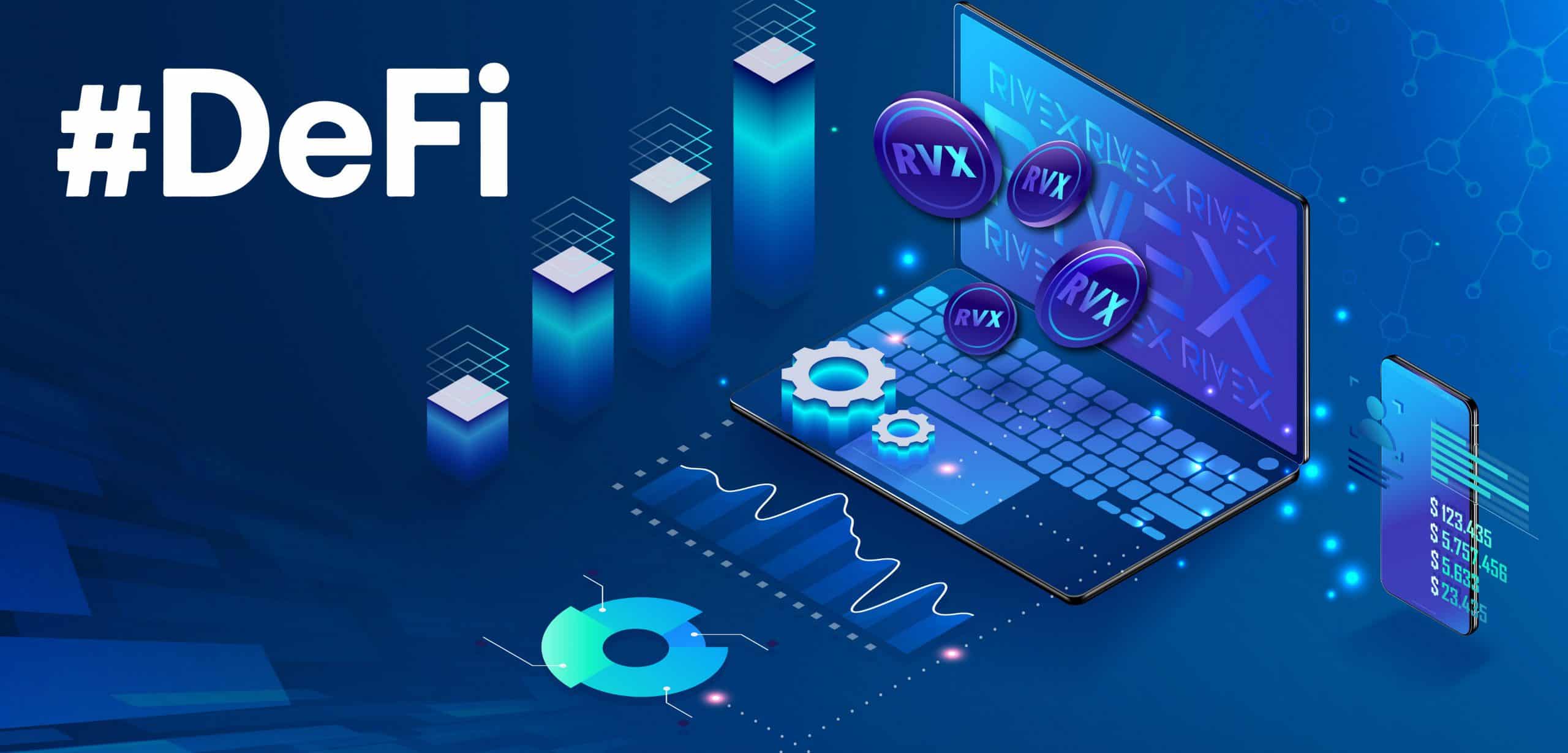
What is DeFi?

Decentralised Finance, or DeFi, means carrying out financial transactions without a central authority, on a blockchain — a system readers may well be familiar with, since Bitcoin and cryptocurrency were built on blockchains too. To explain it briefly and clearly: DeFi is every kind of financial activity carried out without going through a bank. That does away easily with the irritating business of having fees deducted, and the returns from doing business in future will be greater as a result.

DeFi: what is coming, for investors and for finance

In future, banks will be squeezed into competing, but ultimately they will not be able to compete with money circulating without an intermediary — because spending money in future will no longer have to go through one. Even though at present we still need an account with some bank or other to receive, pay, deposit and transfer, in future those balances will come to us directly, with no intermediary managing them. That will make commerce considerably more fluid, and people running businesses will not have to worry about having their income and outgoings audited retrospectively. At present the daily limits set for transfers in and out are typically between 200,000 baht and 1 million baht, which is a serious problem for anyone running an online business, since daily turnover can exceed that standard limit. The arrival of decentralised DeFi transactions is what will solve these problems.

DeFi and its future role

One question certain to be raised before long is that of safety and stability. Because the management of finance in future can be done without a central authority for receiving, paying and sending, oversight — both tax and governmental — will diminish. That is an advantage for anyone investing in a decentralised business, since the sums received are enormous and can be handled far more fluidly. On the other hand, the arrival of DeFi is also a route by which a good many groups of people can evade financial scrutiny by governments and officials easily. That is likely to be the large question mark that has to be resolved and accommodated as far as possible.

DeFi and the law

One reason for choosing decentralised DeFi transactions is precisely that there is no way to audit people's income and expenditure — which may open the way to tax avoidance. The state has already issued legislation covering a number of transaction types, such as the SEC's announcement prohibiting the listing of meme coins, fan tokens and NFTs. As for DeFi coins, we will have to wait and see whether the SEC issues controls on those as well. Which is why the arrival of DeFi transactions is being watched very closely.

Latest Stories

查看全部

COLDCARD Q and Mk5 hardware wallets against a dark red security alert background, with a cracked shield graphic and a Bitcoin coin

Coldcard 事件之后,比特币究竟流向了哪里

标题都说持币者逃回了交易所。但链上数据显示资金分成了三路,其中占比最大的一路,流向的是用户自己新建的钱包。

阅读更多关于Coldcard 事件之后,比特币究竟流向了哪里

Ledger Nano S Plus, Tangem Wallet cards and Trezor Safe 3 hardware wallets on a light studio background

Do You Need a Hardware Wallet If Your Crypto Is on Bitkub?

Leaving crypto on a licensed Thai exchange is not automatically wrong, and the tax exemption is a real reason to keep the account. Where the line actually sits, using what has happened here.

阅读更多关于Do You Need a Hardware Wallet If Your Crypto Is on Bitkub?

COLDCARD Q and Mk5 hardware wallets showing warning screens, over a binary code background

COLDCARD 被盗事件详解:发生了什么、谁受影响、该怎么办

2021 年的一个固件缺陷让部分 COLDCARD 助记词变得可以被猜出,自 2026 年 7 月 30 日起攻击者已卷走逾 1,800 枚比特币。如何判断自己是否受影响,以及具体该怎么做。

阅读更多关于COLDCARD 被盗事件详解:发生了什么、谁受影响、该怎么办